Home Blog Page 2669

Digital ID, Govt’s Aid Distribution Verification Tool

0

The implementation of the National Digital Identity or Digital ID among Malaysians will facilitate the verification and distribution of aid during crises or natural disasters, thus ensuring immediate and accurate assistance reaches those in need.

Malaysian Cyber Consumer Association (MCCA) chairman Datuk Ahmad Noordin Ismail said the Digital ID could reduce bureaucracy and optimise the impact of government subsidies by aiding in the efficient distribution of assistance to targeted groups more accurately and effectively.

Digital ID is a form of digital self-identification and authentication for individuals, intended for use by both the public and private sectors to verify user identities during online transactions.

Prime Minister Datuk Seri Anwar Ibrahim previously said the government would not force anyone to register with the Digital ID for now but encouraged all civil servants to do so as the Rahmah Cash Aid (STR) and all forms of targeted subsidies will be channelled through the Digital ID.

MIMOS Berhad has been appointed as the implementing agency with an initial allocation of RM80 million.

Noordin, who formerly served as Principal Assistant Director (Cyber Crimes and Multimedia Investigations) at Bukit Aman, explained that in the context of cybersecurity, Digital ID uses digital certificate technology to enhance security in online transactions.

This technology verifies identities by linking cryptographic keys with their owners using cryptography.

However, he said the government needs to examine a crucial issue, namely the possibility of Digital ID being exploited as ‘mule ID’ by third parties for fraudulent purposes or illegal activities.

He stressed that the government must ensure robust security measures are in place to prevent misuse of Digital ID, safeguard the system’s integrity and maintain the public’s trust in the initiative.

“MCCA supports the aspirations of Digital ID for the wellbeing of Malaysians. However, this system must have integrity and consistency to prevent its misuse by irresponsible parties, thus increasing the public’s confidence in the government,” he said.

Meanwhile, Noordin said that comprehensive digital education would ensure all segments of society benefit fully from Digital ID, prevent digital divides and ensure the long-term success of the country’s digitalisation initiatives.

Malaysia Looking To Early Coal Phase-Out, Keen On JETP Adopted By Vietnam

0

COP28: Malaysia could be looking into a early coal phase-out as its actively considering the Request for Information (RFI) mechanisms for coal carbon reduction in a forward-looking approach to climate mitigation action and environmental sustainability.

Minister of Natural Resources, Environment, and Climate Change, Nik Nazmi Nik Ahmad, who participated in the launch of France’s Coal Transition Accelerator Event at COP28 in Dubai underscored the substantial challenges faced by Malaysia and other developing nations that span energy, economic, social, and environmental domains, particularly for countries relying on young coal plants. However despite this, the Minister emphasised Malaysia’s unwavering policy against construction and development of new coal plants while calling for the need to establish a dependable, cost-effective, and sustainable energy system in the face of these obstacles.

Among the options the country has explored to reduce carbon emissions from existing coal facilities include co-firing, mothballing, or early retirement, on top of making a significant reduction in fossil fuel subsidies for electricity.

At the event, Minister Nik also expressed Malaysia’s interest in understanding the Just Energy Transition Partnership (JETP) deal which the Vietnamese Government has subscribed to, in unlocking financing and support for sustainable energy transition, and in which Malaysia can possibly emulate. While Malaysia acknowledges the potential for its country to have
increased coal elimination ambition, Minister Nik stressed the importance of technical, capacity and capability support from developed countries and the international community.

Malaysia was one of the ten key stakeholders present, highlighting the country’s commitment in climate mitigation action especially on the commitment for no new coal and possible early elimination of coal power plants, as a precursor in addressing related environmental challenges.

The Minister said the country stands ready to systematically reduce its fossil fuel consumption especially from coal, contributing to global efforts for a sustainable and greener future.

Malaysia’s Growth Momentum Expected To Spill Into 2024: MIDF

0

Growth prospects are expected to improve given the slower contraction in Malaysia’s Leading Index, which fell by -0.3%yoy in Sep-23 (Aug-23: -0.5%yoy). The decline in Sep-23 was the slowest fall in 7 months of contraction since Mar-23. In particular, LI components which recorded increases were the number of housings approved and Bursa Malaysia Industrial Index.

From month-to-month perspective, LI fell by -0.4%mom (Aug-23: +0.7%mom) due to reduction in real imports of other basis precious & other nonferrous metals and number of new companies registered. For the Coincident Index (CI), the continued rise by +2.1%yoy, the same growth as in Aug-23, signals the overall economy thus far still grew higher than last year. This was mainly backed by increases in real EPF contributions and retail trade volume. Compared to Aug-23, the
CI rose further by +0.2%mom (Aug-23: +0.1%mom), primarily due to the higher employment in the manufacturing sector. The further improvement in LI is in line with MIDF’s expectations as it expects growth outlook will gradually improve in the 4QCY23. Despite the persistent moderate momentum because of the weak external trade, continued growth in CI also signals the country’s economic growth remained in the positives, as shown by the sustained GDP growth in 3QCY2

MIDF maintains its forecast that Malaysia’s economy will be able to register growth at +4.2%, moderating from +8.7% expansion in 2022. Despite the drag from weak external demand, the continued growth in domestic spending and investment activities underpin the sustained growth this year. This was backed by healthy labour market conditions, positive income growth and tourism sector recovery.

Going forward, the house expects growth momentum to improve from 4QCY23 onwards as it expects external trade will continue to pick going into 2024. Nevertheless, several risks could derail growth outlook such as escalation of geo-political tensions, possible supply disruptions, fluctuations in the commodity and financial markets and possibility of sharp decline in external demand. Domestically, MIDF said it is wary on the elevated price outlook in view of the planned policy changes by the government, which could affect consumer spending next year

COP28: Oil And Gas Companies Sign Landmark Charter

0

The COP28 Presidency and the Kingdom of Saudi Arabia today launched the landmark Oil and Gas Decarbonisation Charter (OGDC), a global industry Charter dedicated to speeding up climate action and achieving high-scale impact across the oil and gas sectors.

To date, 50 companies, representing more than 40 percent of global oil production have signed on to the OGDC, with National Oil Companies representing over 60 percent of signatories – the largest-ever number of NOCs to commit to a decarbonization initiative.

COP28 President Dr. Sultan Al Jaber said, “The launch of the OGDC is a great first step – and whilst many national oil companies have adopted net-zero 2050 targets for the first time, I know that they and others, can and need to do more. We need the entire industry to keep 1.5C within reach and set even stronger ambitions for decarbonization.”

Signatories have committed to net-zero operations by 2050 at the latest, and ending routine flaring by 2030, and near-zero upstream methane emissions. They agree to continue to work towards industry best practices in emission reductions and a number of key actions, including:

  • Investing in the energy system of the future including renewables, low-carbon fuels and negative emissions technologies.
  • Increasing transparency, including enhancing measurement, monitoring, reporting and independent verification of greenhouse gas emissions and their performance and progress in reducing emissions.
  • Increasing alignment with broader industry best practices to accelerate decarbonization of operations and aspire to implement current best practices by 2030 to collectively reduce emission intensity.
  • Reducing energy poverty and providing secure and affordable energy to support the development of all economies.

Dr. Al Jaber said of the Charter, “I am committed to both inclusivity and transparency. If we want to accelerate progress across the climate agenda, we must bring everyone in to be accountable and responsible for climate action. We must all focus on reducing emissions and apply a positive can-do vision to drive climate action and get everyone to take action. We need a clear action plan, and I am determined to deliver one.”

The OGDC recognizes that climate change is “a collective challenge that requires strong and focused action from producers and consumers of energy, fundamental changes across society and the energy sector, as well as international collaboration, to advance the energy transition and reduce greenhouse gas emissions from oil and gas.”

Beyond decarbonization, signatories recognize it is essential for the oil and gas industry to increase actions, including engaging with customers, investing in the energy system of the future, and increasing transparency in measurement, reporting and independent verification.

The OGDC is a key initiative under the Global Decarbonization Accelerator (GDA), which was launched at the World Climate Action Summit today. The GDA is focused on three key pillars: rapidly scaling the energy system of tomorrow; decarbonizing the energy system of today; and targeting methane and other non-CO2 greenhouse gases. It is a comprehensive plan for system-wide change, addressing the demand and the supply of energy at the same time. The GDA has been informed by the thinking of key stakeholders, including international organisations, governments and policy makers, NGOs, and CEOs from every industrial sector

5G Execution To Combatting  Scams, Fahmi’s Asian Digital ‘Tiger’ Untoward Record A Year On

0

Some people were sceptical when Minister of Communications and Digital Fahmi Fadzil lay confidence  on Malaysia having the potential to become an Asian digital ‘tiger’ if the country can achieve success in the three main aspects related to digital infrastructure and economy.

He said the first aspect is to resolve the issue of the last three per cent of populated areas that do not have network coverage.

“Secondly, to guarantee or improve the level of cybersecurity and personal data protection and thirdly increase the number of investments and expanding digital economy.

Fahmi said if these three aspects (can be achieved) with the cooperation of various agencies and parties under the Ministry of Communications and Digital (KKD), I believe the spillover from this effort can be enjoyed by the people and that success will eventually see Malaysia becoming an Asian digital tiger.

Fahmi said another equally vital component was the fact that many companies are beginning to consider expanding their operations in Malaysia, including adding to their total number of workers.

“This is also very positive, not just for the digital economy ecosystem in Malaysia but, eventually, indirectly making Malaysia a hub or site for these companies to expand in the Southeast Asian region and beyond.

“This is also one of our targets, where we see the infrastructure we have, either physically or through initiatives such as Malaysia Digital Economy Corporation (MDEC) and Malaysia Digital, are capable of making Malaysia the main destination for investors to expand their operations in Malaysia and beyond in the Southeast Asian region,” he said.

Fahmi’s unwavering commitment to technological progress has clearly laid the course for Malaysia’s future as the results are clear a year in office as a Minister with the MADANI Government.

The unity government mark its first year since the Cabinet was established on Dec 3, last year.

Fahmi spearheaded a series of transformative initiatives, from expanding 5G coverage to combating online fraud, giving attention to the nation’s commitment to technological progress.

Among Fahmi’s key achievements include:

5G Implementation – DNB MNO SSAs

Malaysia’s five major phone network operators signed share subscription agreements (SSA) on Dec 1 to acquire a collective 70% equity stake in Digital Nasional Bhd, the country’s 5G wholesale network supplier. CelcomDigi, Maxis, U Mobile, Telekom Malaysia, and YTL Power International will each buy a 14% stake in DNB, pumping in RM233 million each – or a total of RM1,165 million – which will be used for DNB’s funding requirements.

Communications and digital minister Fahmi Fadzil said the government will retain a golden share in DNB, as well as the remaining 30% stake, through the Minister of Finance Incorporated.

The share subscription is the precursor to the setting up of a second 5G network, which will be a commercial operation.

Despite Malaysia’s 5G coverage reaching 70.2 per cent, the adoption rate remained low. Fahmi launched the 5G Experience Centre and highlighted Malaysia’s outstanding 5G achievements with the country ranking third globally in average 5G speed. The focus was now on increasing 5G adoption among industries and the public.

Focusing on 5G Adoption

Malaysia is determined to reach 80 per cent 5G coverage in populated areas and increase 5G adoption. A RM60 million fund was allocated to address cybersecurity threats and ensure secure technology development.

Over two million Malaysians have adopted 5G since Fahmi took office and plans were underway to increase 5G adoption among the public and industries.

Sabah 5G network progress

As of Sept 30, the 5G coverage in populated areas of Sabah has reached 48 per cent with 401 out of 622 planned 5G sites successfully completed.

Petronas’ 5G

Petronas became the first company in Malaysia to implement a private 5G network for commercial purposes. Fahmi was committed to expand the 5G coverage to 80 per cent by year-end, encouraging private companies to adopt 5G technology.

Enhancing internet access

Fahmi stressed the importance of high-quality internet access in schools and industrial areas in the implementation of Phase 1 of the Point of Presence (PoP) Project in Sabah.

Sixty PoPs have been completed benefiting over 6,000 schools and industrial premises. The Rahmah Broadband Package was introduced providing 30Mbps at an affordable price of RM45 per month.

Internet – a necessity

Internet access has transitioned from being an option to a necessity. The telecommunications sector’s inflation rate decreased to -3.7 per cent and several successful internet price reductions were implemented.

The ministry will expand the installation of the Starlink satellite devices in Sabah and Sarawak to improve internet connectivity especially in rural areas.

Expanding digital economy centres

A total of 14 more digital economic centres (PEDi) were will be set up in Sabah with the aim of having one in each constituency. Fahmi visited a PEDi in Ranau and emphasised the positive impact of these centres on local entrepreneurs.

Bridging the digital divide

Starlink installation in Kampung Langsat, Ranau, reflected the ongoing efforts to address the digital divide and provide internet access to underserved areas.

Starlink connectivity in rural areas

In a hands-on approach, Fahmi personally checked the Starlink internet speed in Kampung Langsat in Ranau. The installation of Starlink has brought internet connectivity to an area that previously had none, benefiting over 500 residents.

The full installation of internet and telecommunication services was expected by the third quarter of 2024.

Combating online scams

Malaysia has experienced substantial financial losses due to online fraud. The government allocated RM20 million to the National Scam Response Centre (NSRC) to tackle this issue and maintain awareness through the National Anti-Scam Campaign.

The ‘Be Vigilant ANTI-SCAM Protect Yourself’ programme was launched to combat online scams. Fahmi stressed the importance of raising awareness on online scams and enhancing cybersecurity.

Countering fake news

Fahmi also introduced ‘Biar Betul!’, a special segment on Radio Televisyen Malaysia (RTM) to counter the spread of fake news and disinformation among the public.

Lowering inflation in the telecommunication sector

Fahmi reported a decrease in inflation in the telecommunications sector from 0 per cent to -3.7 per cent. This improvement was attributed to the continued six per cent service tax rate and planned initiatives.

Palestinian Humanitarian Fund

To show solidarity with the people Palestine, Fahmi launched the Palestinian Humanitarian Fund.

Managing recycled phone numbers

Fahmi also addressed the issue of recycled phone numbers, emphasising that all inactive numbers will go through a six-month quarantine period before being reused. This measure aimed to reduce issues and risks associated with such practices.

In reality, Malaysia is more technologically sound today as ever before.

5G DNB SSA Signed, INV Lithium Battery Plant, Progressive Wage Policy Among Salient Headlines

0

CelcomDigi, Maxis Sign DNB SSA But With Heavy Caveats

Both Maxis and CelcomDigi Berhad have announced that on December 1 2023 entered into a conditional share subscription agreement with MoF Inc. and DNB to subscribe for new ordinary shares in the government-owned DNB.

Read full Story HERE

INV Starts Work On The RM3.2 Billion Lithium Battery Plant In Penang

China based, INV New Material Technology (M) Sdn. Bhd., a subsidiary of Shenzhen Senior Technology Material Co. Ltd., a prominent player in the global lithium battery separator industry, has marked a significant milestone with the launch of its inaugural plant in Malaysia.

Read full Story HERE

Rafizi Unveils Progressive Wage Policy To Tackle Low Wages, Boost Productivity

In a move aimed at addressing the pressing issue of low wages and transforming the labor market, Malaysia’s Economy Minister, Rafizi Ramli,…

Read full Story HERE

GXBank Launches Digital Banking App In Malaysia With Innovative GX Card, Savings Features

Equalbase, a Singapore-headquartered real estate group specialising in sustainable commercial and industrial logistics facilities, and Sunway, have jointly held a groundbreaking ceremony for a RM 8 billion (S$2.28 billion) development of a sustainable Free Commercial Zone…

Read full Story HERE

Sunway, Equalbase To Build RM8 Billion Commercial Zone In Iskandar Puteri

Equalbase, a Singapore-headquartered real estate group specialising in sustainable commercial and industrial logistics facilities, and Sunway, have jointly held a groundbreaking ceremony for a RM 8 billion (S$2.28 billion) development of a sustainable Free Commercial Zone for the logistics industry in Sunway City Iskandar Puteri, Johor.

Read full Story HERE

Axiata’s 9M Loss Balloons To RM1.3 Billion

Axiata Group Berhad reported revenue of RM5.6 billion for quarter three FY2023, slightly higher compared to RM5.3 billion it registered in the previous year.

Read full Story HERE

Malaysia’s PPI Declines Marginally In October, As Manufacturing Slows Down

Malaysia’s Producer Price Index which measures the prices of goods at the factory gate, declined marginally by negative 0.3 percent in October 2023 after an increase of 0.2 percent in September 2023.

Read full Story HERE

Investors In Malaysia Forced To Reconsider Their Investment Strategies: Schroders

Investors in Malaysia have been forced to re-evaluate their investment strategies in response to the new economic reality and ongoing inflation and geopolitical uncertainty, Schroders Global Investor Study 2023 has found.

Read full Story HERE

PetChem Suffered A 77% Decrease In Profits For Q3

Petronas Chemical Group recorded a lower plant utilisation rate of 77% as compared to 97% in the corresponding quarter mainly due to higher statutory turnaround and plant maintenance activities during the quarter resulting in lower production & sales volumes.

Read full Story HERE

Jokowi: Indonesia Needs US$1 Trillion To Achieve Net Zero By 2060

0

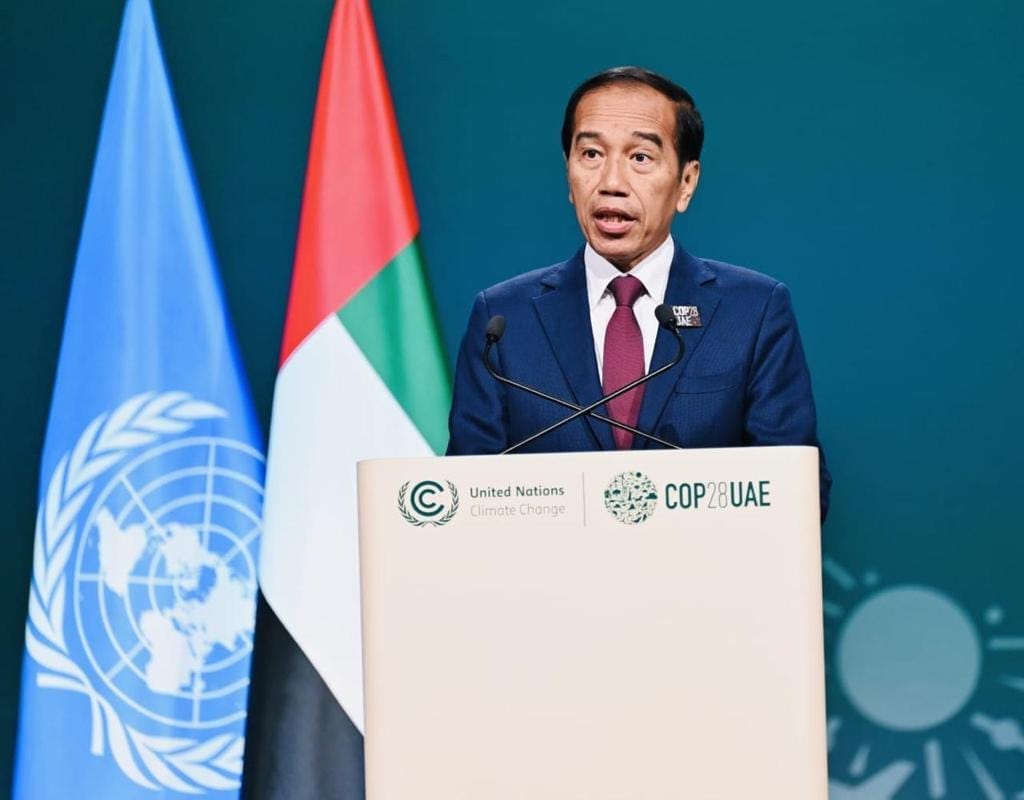
President Joko Widodo said Indonesia needs more than US$1 trillion of investment to enable it to achieve its target of cutting carbon to net-zero by 2060.

He believes that many developing countries share the similar position with Indonesia, Jokowi, as  he is known, said at the United Nations Climate Change Conference COP28 in Dubai, United Arab Emirates, on Friday.

To this end, he underlined the importance of having an inclusive collaboration in undertaking concrete actions to produce works for reaching the net-zero emission (NZE) target.

“This is what we must achieve at the COP28,” President Jokowi said, adding that Indonesia is willing to work hard to reach its NZE target by 2060 or earlier than that.

At the same time, Indonesia also wants to enjoy a high economic growth, significant drop in poverty rate and inequality, and ongoing job creation, he said.

However, developing countries are not able to work alone to reach their NZE targets. Therefore, Indonesia calls for collaboration from bilateral partners, private investors, philanthropists, and friendly countries to help achieve the targets, he said.

“We also have credible and innovative financing platform, ‘carbon bourse’, energy transition mechanism, green bonds, and environment fund management related to the Results-Based Payment,” he said.

In addition, multilateral development banks must also increase their energy transition funding capacity with low interest rates, he said while reminding that the Paris Agreement’s and NZE targets can only be achieved if all countries are able to solve the energy transition funding issues.

“Starting from this point, problems the world is facing are solvable,” he added.

As revealed on the UN Climate Change’s website, the Paris Agreement’s central aim is to strengthen the global response to the threat of climate change by keeping a global temperature rise this century well below two degrees Celsius above pre-industrial levels and to pursue efforts to limit the temperature increase even further to 1.5 degrees Celsius.

Apart from its limited capacity, Indonesia continues to reduce its greenhouse gas (GHG) emissions; work hard to improve the management of forestry and other land use (FOLU) sector; and accelerate its renewable energy transition.

A report the UN Climate Change recently published revealed that “national climate action plans (known as nationally determined contributions, or ‘NDCs’) would collectively lower greenhouse gas emissions to two percent below 2019 levels by 2030, while the science is clear that a 43 percent reduction is needed”.

DPM Not Aware Of Any Cabinet Reshuffle

0

Deputy Prime Minister Datuk Seri Fadillah Yusof has stated that he is not aware of any cabinet reshuffle as no discussions has occurred with him. The Plantation and Commodities Minister, also mentioned that it is within the Prime Minister’s discretion to reshuffle the cabinet, and that he is confident the PM will be considering individuals’ abilities and suitability for their portfolios.

This statement comes after news broke out that Prime Minister Datuk Seri Anwar Ibrahim has confirmed that he will reshuffle his cabinet before the end of the year. Speculation has been rife since the Unity administration turned one, with many queries raised about some of the underperforming ministers and their continued presence in the cabinet.

Anwar, who has been running a tight ship, has not publicly criticized his ministers for their shortcomings. However, there are one or two ministers who seem to be outside the Prime Minister’s inner circle.

China Says No New Diseases Caused By Virus Of Bacteria

0

The current acute respiratory diseases reported in China are all caused by known pathogens, and no new infectious diseases caused by new viruses or bacteria have been identified, a health official said Saturday, citing monitoring results.

Mi Feng, a spokesperson for the National Health Commission, made the remarks during a press conference.

Chinese health authorities are actively monitoring and assessing winter respiratory diseases, with efforts underway to optimise medical resource allocation, improve medical treatment processes, and enhance the role of traditional Chinese medicine (TCM), he said.

The official said China will increase the supply of medical services, particularly pediatric outpatient services at all levels of medical institutions, including TCM hospitals and maternal and child health institutions, to meet people’s needs.

This expansion will involve extending outpatient service hours during lunchtime, evenings, and weekends based on patient numbers, as well as increasing hospital bed capacity and streamlining registration, examination, and payment processes to improve public access to medical care.

Mi also emphasized the guarantee of medical supplies.

The utilization of TCM and the integration of Chinese and Western medicine approaches are being advocated to enhance the prevention and treatment of common winter respiratory diseases, he said.

Measures are also being taken to ensure the supply of influenza and other vaccines, with a focus on early vaccination for key groups such as the elderly and children to reduce the risk of illness, according to the official

Foreigners Entering Malaysia Required To Submit Digital Arrival Cards

0

From Friday (Dec 1), foreigners entering Malaysia are required to submit digital arrival cards prior to their arrival.

Under the Visa Liberalisation Plan, Malaysia aims to “attract foreign tourists and generate national income”, wrote the Immigration Department in a Facebook post on Friday.

“This will ensure Malaysia remains a leader in key industries investment and tourism in the Asian region.”

It said efforts to improve existing immigration facilities will be implemented from Friday. Other initiatives were also introduced, such as visa exemption for China and India citizens, a multiple entry visa facility, a graduate pass, an Umrah transit visa, and an improvement on the validity and eligibility period of visas and social visit passes.

The Immigration Department noted on its website that all travellers are required to submit their Malaysia Digital Arrival Card before entering the country, except those transiting or transferring through Singapore without seeking immigration clearance.

Permanent residents in Malaysia and Malaysia Automated Clearance System holders are also not required to submit digital arrival cards.

What Comes After A November Rally?

0

By Rajat Bhattacharya, Standard Chartered- Markets are consolidating after a stellar November for equities, bonds and non-USD currencies. Volatility in US stocks has dropped close to pre-pandemic lows. The return of risk appetite has been triggered by rising expectations that major central banks are done with rate hikes and are now looking for confirmation from cooling inflation data to consider cutting rates in 2024. US and Euro area inflation data obliged this week, confirming the global disinflationary trend. While equities, bonds and the USD need to overcome key technical hurdles, tepid retail and institutional investor positioning support further upside for risk assets until the year end. However, investors will need to stay nimble, watching out for any significant economic slowdown in the coming months, especially in job markets.

Stellar November: In November, global bonds surged 5.1%, while global equities soared 9%, their best months since December 2008 and November 2020, respectively. Meanwhile, the broad USD staged its biggest monthly retreat in a year (down 3%), aiding the return of risk appetite. Our balanced asset allocation strategy has surged c.7% since the 26 October trough in risk assets, when we flagged a turning point in markets [Weekly Market View, 20 Oct: “Turning Point?”].     

Disinflationary trend: The sharp turnaround in risk sentiment has been triggered by a growing chorus of central bankers signalling the end of the sharpest monetary policy tightening in more than four decades. This week, ECB President Lagarde and a host of Fed policymakers reiterated that policy rates no longer need to go higher if the disinflation trend continues (we will also be watching Fed Chair Powell’s fireside chat tonight).

This week, data showed the Fed’s preferred inflation gauge (core PCE deflator) slumped to a 2.5-year low of 3.5% in October, while the Euro area’s core inflation slumped to a 1.5-year low of 3.6%. While both measures remain higher than the

central banks’ 2% target, forward-looking indicators, such as shelter inflation in the US, base effects, falling energy prices and a growth downturn in the Euro area, point to further downside in inflation in 2024. Hence, markets are now pricing in four 25bps rate cuts by the Fed and the ECB next year.

Chart hurdles: Supportive data notwithstanding, markets still need to overcome key chart hurdles. The S&P500 index faces strong resistance less than 1% away at around 4,607. A break higher could lead to a test of 4,637, followed by January 2022’s all-time high of 4,818.6. The US 10-year bond yield is testing key support in the 4.3-4.35% region. The next support is around 4.05%. The broad USD index (DXY), meanwhile, appears to be recovering from oversold levels, bouncing back from just above the 102.3 support level. The next resistance is just above 104.

Supportive investor positioning: On aggregate, investor positioning in US equities has turned neutral after quantitative model-driven funds drove the November rally. However, positioning among retail investors and mutual funds remains tepid as both investor classes did not participate. This leaves scope for further upside in equities if retail investors join the rally into the year end and/or bearish hedge funds capitulate. The balanced mutual funds are more likely to rebalance from equities to bonds in December after last month’s sharp equity outperformance. Meanwhile, our measures of investor diversity (fractals) do not show any crowded positions in major asset classes. Our “Fear and Greed” indicator has predictably turned to “Greed” territory, but we would become concerned about this contrarian indicator only if it moves to “Extreme Greed”.   

Stay invested, stay nimble, watch macro data: The above backdrop points to reasonable scope for further upside to bonds and equities after some consolidation, provided markets can overcome the chart hurdles. This argues for staying invested through a broadly diversified allocation but watching data closely. US ISM Manufacturing PMI data tonight, and US job market data next week are the next key signposts. Risk assets need modestly weaker, not sharply deteriorating activity and job market indicators, to sustain November’s stellar rally

Sichuan-Qinghai High Speed Railway Opens, A Scenic Passage Across Tibet

0

China has opened the 238-km stretch of the Sichuan-Qinghai railway after a remarkable 12 year of construction eventually connecting the West with a high speed train.

The local news agency Xinhua said the railway is now operational and will be the first to traverse the expansive territory predominantly inhabited by the Tibetan and Qiang ethnic groups.

It crosses the rugged, earthquake-prone plateau region to avoid disturbing the Giant Panda National Park in southwest China’s Sichuan Province.

A high-speed passenger train, C6008, departed around 11 a.m. from Maoxian County, Aba Tibetan and Qiang Autonomous Prefecture, southwest China’s Sichuan Province, for capital Chengdu. The railway section is designed to enable a 238-kilometer journey in just 55 minutes.

At an altitude of some 1,500 meters, Maoxian is the country’s largest area inhabited by the people of the Qiang ethnic group. They now have a new option of traveling by high-speed trains.

Yongqingtsu, the conductor of Tuesday’s train service, described the trip of about an hour as “smooth and comfortable.”

As the railway is built mostly in mountains, “more than half of the journey is in tunnels, which is like riding the subway,” he said, adding that the constant change in elevation also makes the trip like being on a super long escalator.

Padini’s Outlook Downgraded Amid Disappointing Earnings

0

Padini, has reported disappointing financial results for its 1QFY24 period. Its core net profit declined by 45% due to rising costs, despite a slight increase in revenue. The company attributes this to sustained high inflation and the impending subsidy rationalisation, which are impacting the consumer discretionary sector.

Kenanga Investment, has lowered its net profit forecasts for Padini for FY24-25F by 38% and 33%, respectively. It has also downgraded its call to UNDERPERFORM from MARKET PERFORM and lowered its target price by 29% to RM3.20.

Padini’s net profit of RM26.7m was below expectations, accounting for only 11% and 12% of Kenanga’s full-year forecast and the full-year consensus estimate, respectively. The variance against the forecast was largely due to higher input, staff, and advertising and promotion costs. The company has proposed a DPS of 2.5 sen, which is in line with historical trends. Kenanga expects the group to declare a total of 10.0 sen DPS for the full financial year, translating into a 43% dividend payout, also in line with historical trends.

Year-on-year, Padini’s revenue rose by 2% due to pent-up demand after the economy reopened. However, its core net profit fell by 45% due to higher input and operating costs. Quarter-on-quarter, its revenue declined by 19% in the absence of major festivities, and its core net profit fell by a steeper 54%.

Padini anticipates a challenging CY24 due to global economic headwinds and sustained inflation, which are hurting consumer spending. The impending subsidy rationalisation may further exacerbate inflationary pressure, reducing the spending power of the M40 group, Padini’s target customers. While Padini has no immediate plans to increase product prices, it plans to defend its margins by introducing more high-margin products, amidst escalating raw material costs, a weak MYR, and sustained high staff and distribution expenses. The company predicts that its gross profit margin will ease to 36%-38% from c.40%.

Kenanga values Padini at a 20% discount from the segment’s average historical forward PER of 15x to account for the weakened spending power of its target customers in the M40 group. The house has turned cautious on Padini due to sustained high inflation and the impending subsidy rationalisation, which are weighing on the consumer discretionary spending sector and its target customers in the B40 group. It is also concerned about the downward pressure on Padini’s margins from rising input and operating costs and potentially heavy discounting to defend its market share.

U.S. Sets Limits On Chinese Content To Receive EV Tax Credits

The Biden administration released long-awaited rules designed to block electric-vehicle (EV) manufacturers from sourcing battery materials from China and other foreign adversaries, while giving automakers some flexibility to comply with the new mandates.

The guidelines, which were required as part of a deal to extend the US$7,500 (RM35,048) tax credit through Biden’s signature climate law, establish a 25% ownership threshold for a company or group to be classified as a foreign entity of concern (FEOC), government speak for businesses or groups owned or controlled by US geopolitical foes. The restrictions will apply to battery components next year, then include suppliers of key battery raw materials, such as nickel and lithium, in 2025.

The definition has wide-reaching implications because starting in 2024, vehicles containing any battery components manufactured or assembled by FEOCs will no longer qualify for the tax credit. In writing the highly-anticipated rules, the Biden administration has tried to balance two competing agendas — weaning US industry off of low-cost Chinese materials that dominate today’s supply chains, while still incentivising EV adoption to combat climate change.

Delays in spelling out the requirements have left the mining, auto and battery industries in limbo, with just weeks until the new rules kick in. Outlining them now will give automakers and their suppliers some certainty in project planning.

Most automakers were still sorting through the rules on Friday, though Ford Motor Co said its analysis so far suggested its Mustang Mach-E EV will no longer be eligible for federal tax credits.

Under the guidelines, any company that is subject to the jurisdiction of China’s government, or is controlled by the government — including if it is at least 25% owned by a Chinese government authority — would be considered an FEOC. The restrictions would also apply to all production inside of China. However, foreign subsidiaries of privately-owned Chinese companies in non-FEOC countries, like Australia or Indonesia, would be allowed so long as they are not controlled by the Chinese government.

The new rules seem to bless licensing deals like Ford’s battery plant in Marshall, Michigan, which is owned and operated by the automaker, but licenses technology from China’s battery champion, Contemporary Amperex Technology Ltd, also known as CATL. Tesla Inc looked into a similar structure with CATL earlier this year, Bloomberg has reported, though the status of those talks is unclear.

Tech licensing

Contractors or tech licensing agreements are permissible so long as the non-FEOC partner has operational control of a facility, though this will be evaluated on a case-by-case basis.

John Bozzella, president and chief executive officer of the auto lobbying group Alliance for Automotive Innovation, praised the Treasury Department for finally providing clarity about the rules. He also lauded the agency for exempting requirements for trace materials until 2026, a reprieve he called “significant and well-advised”.

“Otherwise the EV tax credit may have only existed on paper,” Bozzella wrote.

Autos Drive America, which represents foreign automakers operating in the US such as Hyundai Motor Co and Toyota Motor Co, also welcomed the clarity, but urged the US to grandfather in more countries to provide critical minerals through free-trade agreements. Indonesia has been lobbying US officials for a free-trade pact that would make its products IRA-compliant. The US has already struck such a deal with Japan.

Passed into law last year, the Inflation Reduction Act has attracted more than US$100 billion of investment in the North American battery and EV supply chains as part of efforts to reduce reliance on China. However, the Asian nation’s dominance of the global industry for now means that only a limited number of models would be currently eligible for the IRA tax credit.

There will be a public comment period before the rules are finalised to take effect Jan 1.

The list of qualifying car models may shrink further as the FEOC rules come into force over the next two years. Models that were grandfathered in under the first phase of rulemaking may become ineligible once the component and raw material rules are implemented.

Reviewing guidance

“We are reviewing the new Treasury guidance now,” General Motors Co spokeswoman Jeannine Ginivan said in a statement. “Due to GM’s historic investments in the US and efforts to build more secure and resilient supply chains we believe GM is well positioned to maintain the consumer purchase incentive for many of our EVs in 2024 and beyond.”

Ford’s Mustang Mach-E, which the company said will no longer be eligible for federal tax credits, is built in Mexico and previously qualified for a US$3,750 credit. Ford’s F-150 Lightning plug-in pickup truck, built in Michigan, will continue to qualify for the full US$7,500 credit, the company said in an emailed statement.

The 25% ownership limit is in line with language in the Chips and Science Act, which aims to reshore assembly of high-tech equipment like semiconductors. The law bars companies that receive Chips Act funds from engaging in joint projects with entities that have 25% or more Chinese ownership, among other restrictions.

China accounts for 85% to 90% of global rare earth element mining and processing, and it refines 60% of the lithium, 65% of the nickel and 68% of the cobalt needed for EV batteries, according to a September research note by Goldman Sachs Group Inc. The bank also estimates that 65% of battery components, 71% of battery cells and 57% of the world’s EVs are made in China.

However, a large percentage of the raw materials needed to produce batteries are mined elsewhere — in many cases by Chinese-controlled companies, including ones that are not owned by the government. The world’s biggest nickel producer, Tsingshan Holding Group Co, and top cobalt miner, CMOC Group Ltd, are both Chinese-owned companies with international mining operations.

Loopholes abound

The rulemaking process sparked a year-long lobbying frenzy. Carmakers pushed hard for looser rules, arguing that severe restrictions would ratchet up the cost of EVs and that China’s dominance of the supply chain makes it practically impossible to exclude. By contrast, US mining and recycling companies sought a tougher line in order to defend and fast-track domestic production of critical battery-making materials.

Even with strict limits on Chinese ownership and influence, there are still large loopholes in the Inflation Reduction Act that undermine that goal, something Senator Joe Manchin, a clutch vote in passing the law, has criticised repeatedly.

“I will take every avenue and opportunity to reverse this unlawful, shameful proposed rule and protect our energy security, that includes pushing the Treasury Department to make revisions, pursuing a Congressional Review Act resolution and supporting any lawsuit against the rule,” the West Virginia Democrat said in a statement Friday.

EVs and hybrids that are leased instead of purchased aren’t subject to the content requirements because they are classified as commercial vehicles. Treasury also made accommodations to give automakers more time to comply with some aspects of the rules, such as developing systems to physically track critical minerals and other low-value materials with more precision. – Bloomberg

Overweight On Banking: Top Picks CIMB, AMBANK, ABMB

0

With the banking sector releasing its somewhat steady Q3 results, Kenanga Investment has published its October banking performance overview, giving the sector a ‘stable showing’ assessment.

According to the investment house, the October system loans increased by 4.0%, within its 4.0%-4.5% target with expectations of some pick-up during the year-end. A continued inflow of housing loans could be attributed to greater demand for affordable homes while businesses may front load on working capital to meet year-end seasonal activities. Meanwhile, industry gross impaired loans (GIL) appear stable at 1.70%.

Deposits still grew with a slight nudge to CASA levels, likely due to the expiry of long-dated fixed deposits from CY22. However, this may shrink further during the banks’ year-end bid to capture more liquidity and offer attractive product rates amidst muted interest rate prospects. Kenanga anticipates OPR to maintain at 3.00% till end-CY24, which could allow the banks plenty of room to re-optimise their product margins.

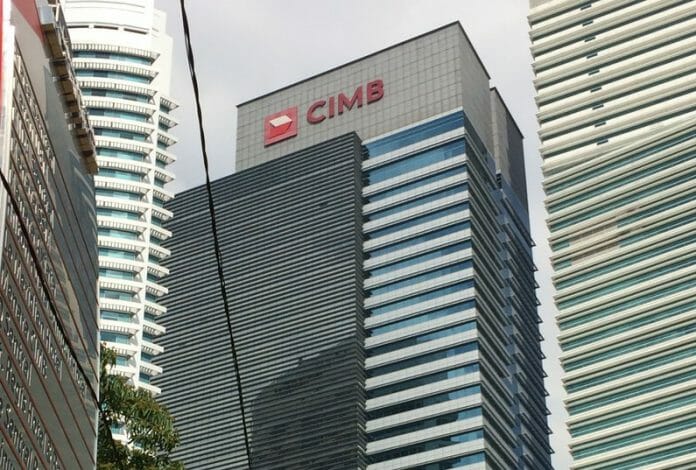
All in all, the house maintains an OVERWEIGHT call on the sector, with a continued emphasis on tactical picks as investors may be selective with regards to balancing long-term fundamental strength and near-term sentiment upliftment. Kenanga also feature names such as: CIMB for its earnings trajectory which may outpace its peers in addition to better dividend prospects, AMBANK for rising consolidation prospects fuelled by its more palatable book performance, and ABMB as a small- cap favourite given its largely comparable fundamentals which beat certain large caps. Its high exposure to SMEs could also translate to better-than-expected growth during an economic upturn.

Tax-Loss Selling, ‘Santa Rally’ Could Sway U.S. Stocks

0

As US stocks sit on hefty gains at the close of a rollercoaster year, investors are eyeing factors that could sway equities in the remaining weeks of 2023, including tax loss selling and the so-called Santa Claus rally.

The key catalyst for stocks will likely continue to be the expected trajectory of the Federal Reserve’s monetary policy. Evidence of cooling economic growth has fuelled bets that the US central bank could begin cutting rates as early as the first half of 2024, sparking a rally that has boosted the S&P 500 6 per cent year-to-date and taken the index to a fresh closing high for the year yesterday.

At the same time, seasonal trends have been particularly strong this year. In September, historically the weakest month for stocks, the S&P 500 fell nearly 5 per cent. Stocks swung wildly in October, a month noted for its volatility. The S&P 500 gained nearly 9 per cent gain in November, historically a strong month for the index.

“We’ve had a solid year, but history shows that December can sometimes move to its own beat,” said Sam Stovall, chief investment strategist at CFRA Research in New York.

Investors next week will be watching US employment data, due out on December 8, to see whether economic growth is continuing to level off.

Overall, December has been the second-best month for the S&P 500, with the index up an average of 1.54 per cent for the month since 1945, according to CFRA. It is also the month most likely to post a gain, with the index rising 77 per cent of the time, the firm’s data showed.

Research from LPL Financial showed that the second half of December tends to outshine the first part of the month. The S&P 500 has gained an average of 1.4 per cent in the second half of December in so-called Santa Claus rallies, compared with a 0.1 per cent gain in the first half, according to LPL’s analysis of market moves going back to 1950.

Stocks that have not performed well, however, may face additional pressure in December from tax loss selling, as investors get rid of losers to lock in write-offs before year-end. If history is any guide, some of those shares may rebound later in the month and into January as investors return to undervalued names, analysts said.

Since 1986, stocks that were down 10 per cent or more between January and the end of October have beaten the S&P 500 by an average of 1.9 per cent over the next three months, according to BofA Global Research. PayPal Holdings, CVS Health, and Kraft Heinz Co are among the stocks the bank recommends buying for a tax-related bounce, BofA noted in a late October report.

“The market advance has been extraordinarily narrow this year, and there’s reason to believe that some sectors and stocks will really take it on the chin until they get some relief in January,” said Sameer Samana, senior global market strategist at the Wells Fargo Investment Institute.

Despite the market’s hefty year-to-date rise, investment portfolios are likely to have plenty of underperforming stocks. Nearly 72 per cent of the S&P 500’s gain has been driven by a cluster of megacap stocks such as Apple, Tesla and Nvidia, which have an outsized weighting in the index, data from S&P Dow Jones Indices showed.

Many other names have languished: The equal-weighted S&P 500, whose performance is not skewed by big tech and growth stocks, is up around 6 per cent in 2023.

Some worry that investor over-exuberance may have already set in after November’s big rally, which spurred huge moves in some of the market’s more speculative names.

Streaming service company Roku soared 75 per cent in November, for instance, while cryptocurrency firm Coinbase Global climbed 62 per cent and Cathie Wood’s ARK Innovation Fund was up 31 per cent, its best performance of any month in the last five years.

Michael Hartnett, chief investment strategist at BofA Global Research, said in a Friday note that the firm’s contrarian Bull & Bear indicator ― which assesses factors such as hedge fund positioning, equity flows and bond flows ― had moved out of the “buy” zone for the first time since mid-October.

“If you caught it, no need to chase it,” he wrote of the rally. ― Reuters

Crest Builders Acquires Remaining Stake In Subsidiary For RM43.6 Million

0

Crest Builders is looking to acquire additional equity in its subsidiary Unitapah Sdn Bhd from Datik Utuh for approximately RM43.6 million in cash.

The group filed at the Exchange that its wholly-owned subsidiary, Crest Builder International Sdn. Bhd. had on 1 December 2023 acquired an additional 49% equity interest in its subsidiary, Unitapah Sdn. Bhd. comprising 490,000 ordinary shares from Detik Utuh Sdn. Bhd. for a cash consideration of RM43,610,000.00.

USB is principally engaged as a concession holder, as at the financial year ended 31 December 2022, CBISB owns 51% equity interest in USB. Upon completion of the Acquisition, USB becomes a wholly-owned subsidiary of CBISB.

The acquisition it said was primarily financed based on the balance proceeds from Sukuk Murabahah, reflecting the strategic allocation of funds from this financial instrument to facilitate the acquisition of the remaining equity interest in USB.

A Week Of Weakening Dollar Awaits For The Ringgit

0

ASEAN-5 peers against the USD on a Thursday-to-Thursday basis. This could be partly due to the country’s strong fundamentals and government’s persistent push towards fiscal consolidation. Most emerging currencies gained against the USD due to increasing fragility in the US housing market and the expectation of a Fed pivot. However, profit-taking activities and better US GDP reading (3Q23: 5.2% QoQ; Preliminary: 4.9%) have limited the MYR’s gains.

The combination of cooling inflation and labour market pressures in the US, as evidenced by a softer US PCE price index and higher US jobless claims, is seen to strengthen the Fed’s dovish narrative, benefiting risk assets. Today, the market may shift its attention to the fireside chat at Spelman College—the last instance we will hear from the Fed before the FOMC blackout period. Any hint from Fed’s Powell that the current rate is sufficient and the battle against inflation is concluded may significantly weaken the USD.

Key US jobs data next week will be eagerly awaited, and further signs of ebbing labour market momentum may convince the hawks that the US economy is finally slowing, potentially fuelling an early rate-cut rally.

The USDMYR outlook remains neutral, with the pair likely to hover near 5-day EMA of 4.667 as its RSI sits in the middle of the range. Technically, should there be any risk-on buying interest, the ringgit is expected to extend its gains and trade around the 4.639 – 4.655 level. Conversely, a breach above the 4.683 level is needed to confirm MYR’s weakening bias.

Malaysia Calls For United Global Stand Against Climate Change At COP28

Malaysia hopes to see countries come together with ambitious and concrete commitments to address climate change during the 28th Conference of Parties (COP28) to the United Nations Framework Convention on Climate Change, here.

Natural Resources, Environment and Climate Change Minister Nik Nazmi Nik Ahmad said that through innovative solutions, sustainable practices, and collaborative initiatives, our nation will proudly showcase its role as a regional leader in addressing climate challenges at the Malaysia Pavilion.

“There must be a sense of urgency and a willingness to work together.

“As we navigate the complexities of climate negotiations, let us be mindful that our decisions today shape the world that our future generations will inherit,” he said during the launching ceremony of the Malaysia Pavilion for COP28 in Dubai Expo City.

Earlier, Yang di-Pertuan Agong Al-Sultan Abdullah Ri’ayatuddin Al-Mustafa Billah Shah officially launched the Malaysia Pavilion at COP28, which will function from November 30 to December 12.

Also present at the ceremony were Raja Permaisuri Agong Tunku Azizah Aminah Maimunah Iskandariah and the Regent of Pahang, Tengku Hassanal Ibrahim Alam Shah Al-Sultan Abdullah Ri’ayatuddin Al-Mustafa Billah Shah.

According to Nik Nazmi, Malaysia has addressed the crucial role of finance in climate change by urging the developed nations to contribute US$100 billion (RM467.3 billion) annually, which was highlighted in Prime Minister Datuk Seri Anwar Ibrahim’s address at the UN General Assembly in September.

“Separately, developing a long-term mitigation strategy will be key to guiding sectoral and cross-sectoral policy planning in line with the Paris Agreement goals.

“Malaysia is hence formulating a long-term low emissions strategy and Nationally Determined Contribution Roadmap, which will serve as a comprehensive guideline towards our achieving net-zero emissions as early as 2050.

Thus, he said among Malaysia’s priorities are the drafting of a climate change bill, the establishment of a national adaptation fund, and the development of a carbon market mechanism.

Bursa May Realign Higher In Coming Week

0


Bursa Malaysia is anticipated to experience some portfolio realignments and window-dressing activities; hence the benchmark index is likely to trend higher next week as the market enters the month of December, said an analyst.

Rakuten Trade equity research vice-president Thong Pak Leng said technically, the benchmark index staged a rebound and broke out from the one-week bullish flag pattern with a long white candle on Friday.

“The index has broken the 20-day exponential moving average (EMA) of 1,453 today, hence, we believe there is upward momentum in the near term,” he told Bernama.
Notably, the next resistance levels are identified at 1,465 and the psychological mark of 1,500.

“If the FBM KLCI surpasses the 1,465-resistance line, we foresee additional upward potential.

“As such, we anticipate the index to trend within the 1,445-1,465 range for next week, with immediate support at 1,445 followed by 1,430,” he added.

Meanwhile, SPI Asset Management managing director Stephen Innes said decelerating inflation, US Federal Reserve (Fed) cuts and above-expectation growth may be a constructive backdrop for stocks.

However, he said falling costs indicate a reversal of profit-led inflation, suggesting corporate margins may have peaked.

“So perhaps earnings, not lower interest rates, will need to do the heavy lifting of Malaysian stocks in the future as there are many Fed cuts in the pipeline.

“I think next week we will need to see a broader US market rally to encourage foreign investors to move into perceived riskier Malaysian markets, but we are more inclined to expect range-trading to persist,” Innes said.

Meanwhile, on the local front, five mobile network operators (MNOs), including CelcomDigi Bhd and Maxis Bhd, on Friday entered into conditional share subscription agreements (SSAs) with Digital Nasional Bhd (DNB) and Minister of Finance, Incorporated (MOF Inc) to subscribe for equity stakes in DNB.

The signing of the SSAs will see each MNO injecting approximately RM233 million, which will be utilised to meet DNB’s funding requirements.

DNB has achieved 73% coverage of populated areas (CoPA) in Malaysia as at Oct 31, 2023 and is targeting to reach its 80% CoPA target by the end of 2023.

At the close of trading on Bursa Malaysia on Friday, CelcomDigi decreased 10 sen to RM4.24 with 34.51 million shares traded while Maxis added six sen to RM3.96 with 994,500 shares changing hands.

On a Friday-to-Friday basis, the FBM KLCI grew 2.46 points to end the week at 1,456.38 versus 1,453.92 a week ago.

On the index board, the FBM Emas Index shed 43.08 points to 10,705.65, the FBMT 100 Index slid 36.11 points to 10,394.78, and the FBM Emas Shariah Index shaved off 66.43 points to 10,877.58.

The FBM 70 Index slumped 283.69 points to 14,048.05 while the FBM ACE Index declined 72.27 points to 5,133.16.

Sector-wise, the Financial Services Index slid by 4.75 points to 16,379.57, the Energy Index was 19.25 points weaker at 815.6, but the Plantation Index perked up 59.11 points to 6,990.41, while the Industrial Products and Services Index was down by 2.12 points to 171.99.

Bursa Malaysia ended the week with a firmer turnover of 17.66 billion units worth RM13.94 billion versus 17.06 billion units valued at RM10.28 billion in the preceding week.

The Main Market volume fell to 10.85 billion shares valued at RM12.40 billion against 11.68 billion shares worth RM8.80 billion in the previous week.

Warrants turnover improved to 3.03 billion units valued at RM361.80 million from 2.99 billion units valued at RM380.72 million last week.

The ACE Market volume strengthened to 3.76 billion shares worth RM1.17 billion compared to 3.34 billion shares worth RM1.10 billion previously.