Developing regulatory solutions to combat fake news in Malaysia presents a significant challenge, as any regulation must effectively address the negative impacts of misinformation while respecting freedom of expression.
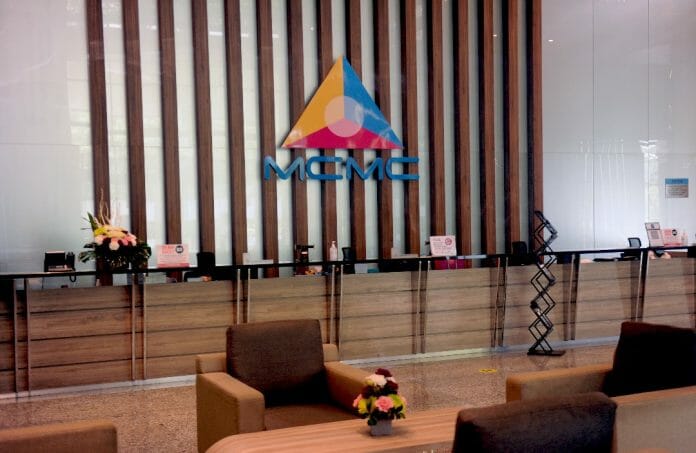
Datuk Zulkarnain Mohd Yasin, Deputy Managing Director of the Malaysian Communications and Multimedia Commission (MCMC), emphasized the need for a balanced approach during the International Legal Conference on Online Harms 2024 at the Kuala Lumpur Convention Centre. He stated that addressing misinformation, including licensing social media providers, requires consideration of both societal and individual interests.
“Any attempt by the government to manage fake news may be perceived as restricting freedom of expression. However, there are real harms that can impact the nation and individuals, so finding a balance is essential,” he explained. Zulkarnain highlighted that misinformation could derail government initiatives aimed at improving the people’s welfare.
The conference outlined the current state of misinformation and disinformation in Malaysia’s online ecosystem, including the rise of deepfakes and harmful content, while discussing international best practices for legal cooperation to combat these issues.
In a recent announcement, the MCMC mandated that all social media and internet messaging services with at least eight million users in Malaysia must apply for an Applications Service Providers Class license under the Communications and Multimedia Act (CMA) 1998. This licensing requirement, effective January 1, 2025, is intended to safeguard user interests and preserve national harmony.
Zulkarnain noted that the licensing measures would not hinder freedom of expression but would address various harms associated with advancements in technology, including artificial intelligence and deepfake technology. He stressed the importance of fostering an ethical understanding of social media use to promote responsible digital citizenship.
Datuk Seri Ramli Mohamed Yoosuf, Director of Bukit Aman’s Commercial Crime Investigation Department (CCID), raised concerns about the growing trend of scams utilizing deepfake technology. He revealed that approximately 454 scam cases involving deepfakes had been reported this year, resulting in total losses of RM2.272 million.
The two-day conference is co-organized by the Legal Affairs Division of the Prime Minister’s Department, the Communications Ministry, and the MCMC, in collaboration with Unicef Malaysia, the United Nations Office on Drugs and Crime, the Royal Malaysian Police, and the Human Rights Commission of Malaysia.