V. Sivakumar, the former Minister of Human Resources, has expressed strong support for the newly introduced Public-Private Partnership (PPP) Master Plan 2030. He hailed the plan as a strategic initiative aligned with the MADANI government’s vision to foster economic growth and improve public welfare.
Described as a transformative document rather than just a planning tool, the PPP Master Plan 2030 aims to build a robust and sustainable PPP framework that will drive national well-being.
According to Sivakumar, the Master Plan outlines three primary objectives (i) to increase private sector investment to RM78 billion by 2030, (ii) to boost GDP contribution to RM82 billion by 2030, and (iii) to create up to 900,000 new jobs by 2030.
Additionally, the former minister said that the plan is structured around four strategic pillars:
- Enhancing the PPP ecosystem for efficient service delivery.
- Centralising coordination to strengthen PPP execution.
- Diversifying projects through expanded PPP models.
- Improving process efficiency to accelerate project completion.
In a statement today (Sept 10), Sivakumar said that these pillars, along with 17 strategic initiatives, reflect a comprehensive approach involving various economic sectors. The plan also emphasises sustainability, environmental considerations, and the use of technology and innovation in project execution.
Sivakumar praised the plan for embodying the MADANI principles of sustainability, prosperity, innovation, and integrity. He called for all stakeholders to collaborate in making the plan a success, highlighting that its achievement depends on collective commitment.
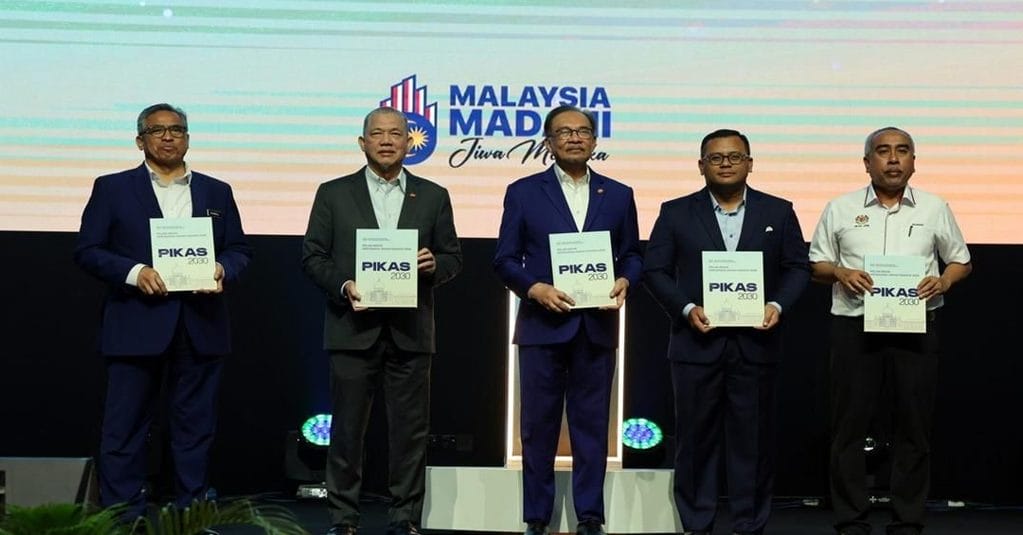
The PPP Master Plan 2030 is designed to drive economic progress, enhance public welfare, and ensure sustainable development through strategic public-private collaboration. The implementation will occur in four phases: Quick Win (less than 1 year), Short-Term (1-3 years), Medium-Term (3-5 years), and Long-Term (more than 5 years).