


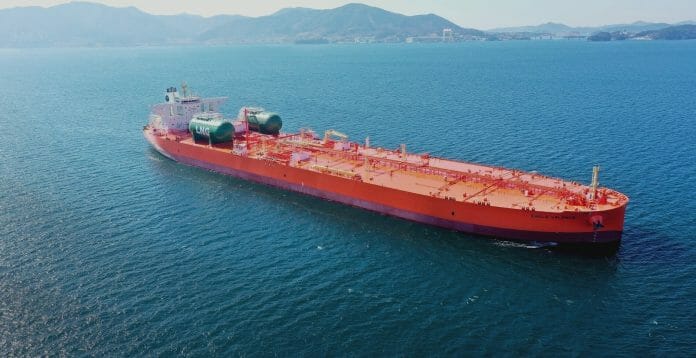
MISC Berhad has signed a letter of intent with Petronas LNG for a 15-year charter of two new-build LNG (Liquid Natural Gas) carriers starting in 2027. Additionally, MISC has agreed to the termination of the existing charters for three of its Seri AAB vessels, with compensation, and has secured extension for its two Seri AA vessels into 2028.
While the new LNG charter win is positive, the impact on earnings and valuation appears marginal.
Kenanga Research has lifted the target price of MISC to RM8.11 and reiterated the MARKET PERFORM call.
MIDF, on the other hand, has maintained the BUY call, with a target price of RM9.75.
As at 9:22am on Wednesday, MISC’s stock traded at RM7.93. (Stock updates from www.klsescreener.com)
MISC is favoured for its exposure to the booming petroleum tanker market globally due to high demand for long voyages resulting from the Red Sea conflict, as well as large recurring earnings base that supports the company’s ability to pay consistent dividends (3.8% for 2025). Nevertheless, analysts are watching risk factors from the lower-than-expected utilisation and spot rates for petroleum fleet and additional cost overruns and project delays.
As reported, the two new LNG vessels for the 15-year charter from are expected to be built by Samsung Heavy Industries and delivered in 2027.
The early termination of the time charters involves MISC”s three existing steam LNG carriers (Seri AAB): Seri Ayu, Seri Angkasa, and Seri Begawan. The Seri AAB vessels will be redelivered on the 20th anniversary of their respective charters in 2027/2028, with MISC receiving monetary compensation from Petronas LNG.
Meanwhile, the extension of the charter concerns MISC’s Seri AA LNG carriers, namely Seri Alam and Seri Amanah. As agreed, MISC and Petronas LNG to enter into new time charters for Seri AA upon the expiry of the current contracts (in 2025 and 2026), extending the charters until 31 March 2028.
Market analysts’ preliminary calculation shows that the combined effects of the above transactions are expected to be largely earnings-neutral.
These charter deals are in support of MISC’s strategic intent to rejuvenate its LNG fleet with modern and efficient vessels. This is also a part-and-parcel of achieving Greenhouse gas (GHG) emissions and intensity reduction by 2030, in accordance with its internal sustainability strategies, as well as external policies and regulations by the International Maritime Organisation (IMO) 2020 Sulphur Cap and GHG Reduction Strategy.
The company’s standing is further strengthened by the bright outlook for LNG as the substitute fuel continues to be seen as a key component in energy transition, reducing global reliance on coal and lowering GHG emission. On the local front, Malaysia is poised to be the world’s leading LNG exporter, in line with the country’s increased investment in LNG infrastructures, including regasification terminals and pipelines.


