


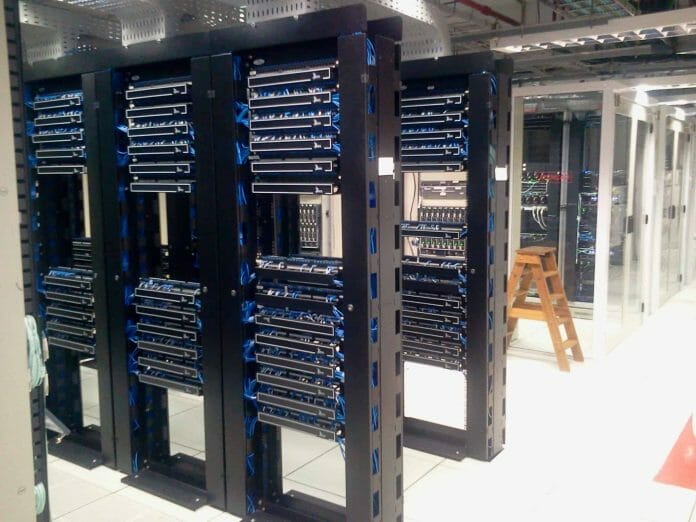
Data centre (DC) and smartphone sectors are entering more exciting growth stages as the fit-out phase is expected to start between the last quarter of 2024 and the first half of 2025, following a 12-18 months of DC construction phase.
The IT capacity of Malaysia’s DC sector is set to increase from 500 Megawatt (MW) to over 3,000MW. The Artificial Intelligence (AI) server market alone, valued at RM97.8 billion, presents substantial opportunities for local technology players.
Generative AI smartphones, which transition user interactions from touch to voice, are projected to grow more than three-fold in 2024, with another 73% growth expected in 2025.
Globally, smartphone market grew 6.5% year-on-year in the second quarter of 2024 (1Q24), reaching 285.4 million units. This marks the fourth consecutive quarter of growth, although demand remains uneven across many markets. While Samsung Electronics Co Ltd (18.9% market share) and Apple Inc (15.8%) continued to lead the premium segment, Chinese manufacturers are expanding in the mid-and low-end segments to capture volume.
The top picks for the tech sector are Inari Amerton Bhd with a target price of RM4.05, PIE Industrial Bhd with a target price of RM6.35, Nationgate Holdings Bhd with a target price of RM2.30 and Kelington Group Bhd with a target price of RM4.16.
As reported by Kenanga Investment Bank Bhd, PIE has secured a key server switcher client, Nationgate aims to deliver 1,000 AI servers by year- end, and Inari is increasing its production of 800G optical transceivers to meet the growing demand for faster data transfers.
Analysts maintain their earnings forecast and the OVERWEIGHT rating, noting that the tech picks are well-positioned with strong earnings visibility and exposure to high-growth areas such as AI-related infrastructure.
As at 9:15am Oct 7, Inari’s stock traded at RM2.90, PIE RM5.31, Nationgate RM1.71 and Kelington RM2.97. (Stock updates from www.klsescreener.com)
Despite the positive trend, the automotive semiconductor segment faces near-term headwinds due to recent tariff hikes on Chinese EVs, as high as 100% in the US and 27.4%-48.1% in the European Union.
Overall, the sharp decline in Bursa’s Technology Index presents a compelling buying opportunity for the local tech stocks. Bursa’s Tech index has declined shaprly from it’s 26-month peak recorded in June this year and is currently resting at the level of 58.8.


