


The shipping diversion from the Red Sea continues to weigh down on global trade especially in the Asia-Europe region, as the sector faces possible disruption as a result of the implementation of climate change regulations.
According to Port Watch, an open maritime monitoring platform, the daily transit trade volume at the Suez Canal has declined since the beginning of this year, and has stayed on a consistenly low level of around 2 million tonnes (7-day moving average) from the second quarter onwards, as opposed to the previous norm of around 5 million tonnes before entering 2024.
The Asia-Europe route accounts for 30% of global container volume.
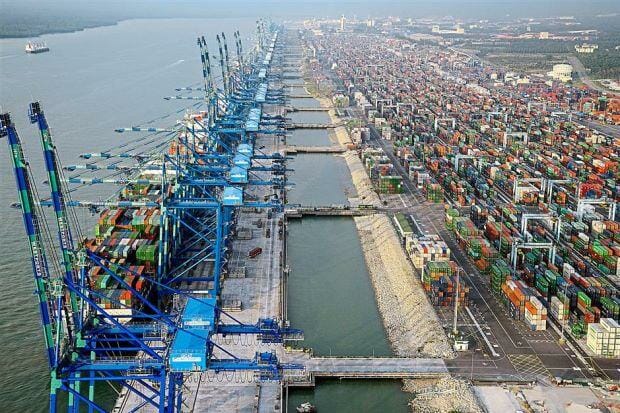
Notably, the Cape of Good Hope route seems to have picked up some of the volume previously handled by the Suez Canal, showing an upward slope in trade volume that lasted into September 2024, resulting in a longer voyage that has reduced the frequency of calls shipping liners could make at other ports in the region, including port facilities administered by Malaysia’s Westports Holdings Berhad.
Westports primarily manages port operations dealing with container and conventional cargo, and also provides a wide range of port services, including marine services, rental services and other ancillary services.
Meanwhile, the daily volume handled by the Panama Canal has been consistent and seemingly unaffected by the Red Sea shipping diversion.
The World Trade Organisation (WTO) in May 2024 kept its projection for 2024 global merchandise trade volume growth at 2.6%, and for 2025 at 3.3%.
WTO is an international organisation that safekeeps the multilateral open trade system by defining rules and boundaries to be adhered by trade participants for the benefit of all.
Also, Kenanga Investment Bank Bhd acknowledged that global trade will have to navigate stricter regulations on carbon emissions, particularly, one from the United Nations’ International Maritime Organization (IMO) and another from the European Union (EU).
The exact implication of the regulation of IMO and EU Carbon Border Adjustment Mechanism (CBAM) on shipping remains unclear, especially for CBAM which is still pending finalisation and to take effect by 2026. For sure, the volume of containers heading to the EU will be affected, about 18% of container throughput under Asia-Europe trade, particularly those originating from China, which is a major exporter of iron, steel and aluminium to the EU.
Amid global challenges, Kenanga Research continues to see a bright spot in the domestic logistics sector, which is a beneficiary of the booming e-commerce, awarding a NEUTRAL rating for the sector without any top pick.


