



Traffic congestion is a common challenge in Malaysian cities, often leading to frustrating commutes and wasted time. However, with the right strategies, we can alleviate this issue and create a more efficient transport system. Here are ten effective ways to reduce traffic congestion in Malaysian cities.
Enhance Public Transport Systems
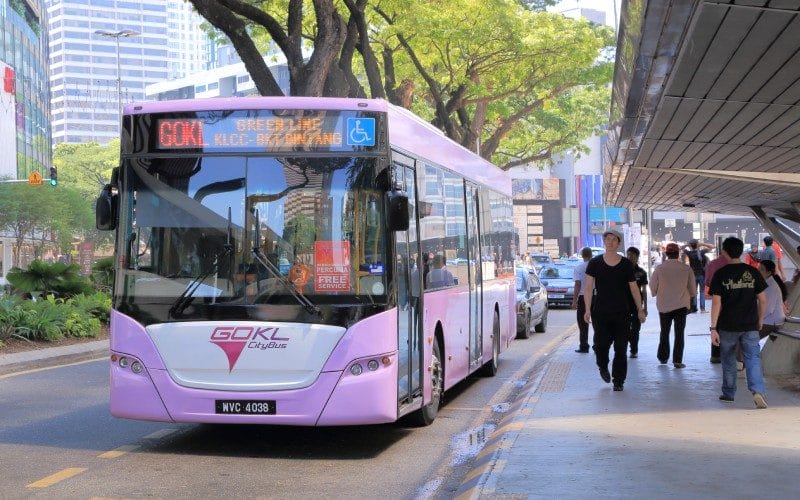
Investing in reliable and efficient public transport systems, such as trains and buses, can encourage more people to leave their cars at home. Expanding routes and increasing frequency can make public transport a more attractive option.
Promote Carpooling and Ride-Sharing
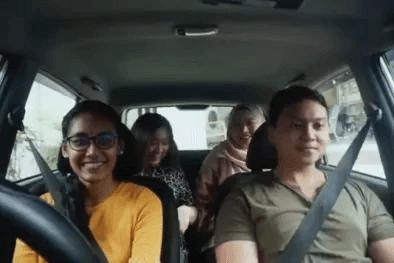
Encouraging carpooling through dedicated lanes or incentives can significantly reduce the number of vehicles on the road. Ride-sharing apps can also facilitate this by connecting commuters with similar routes.
Implement Congestion Pricing
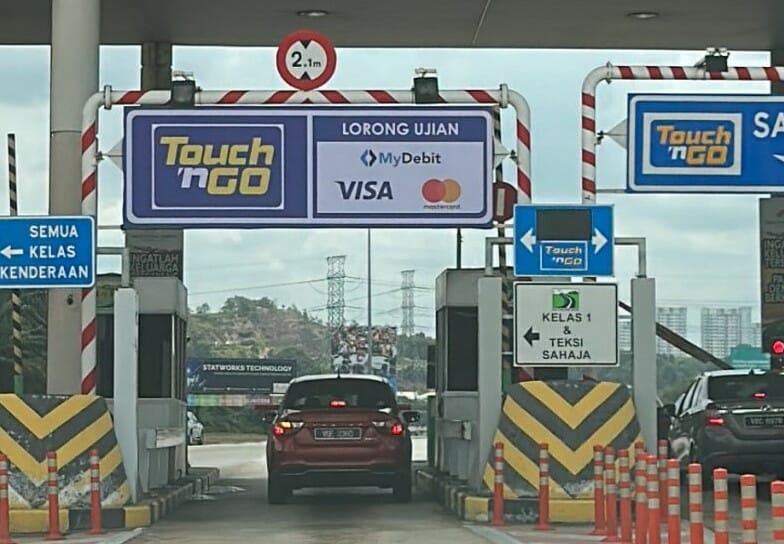
Introducing congestion pricing in busy areas can discourage unnecessary trips during peak hours. This strategy can help manage demand and encourage drivers to seek alternative routes or travel during off-peak times.
Improve Traffic Management Systems
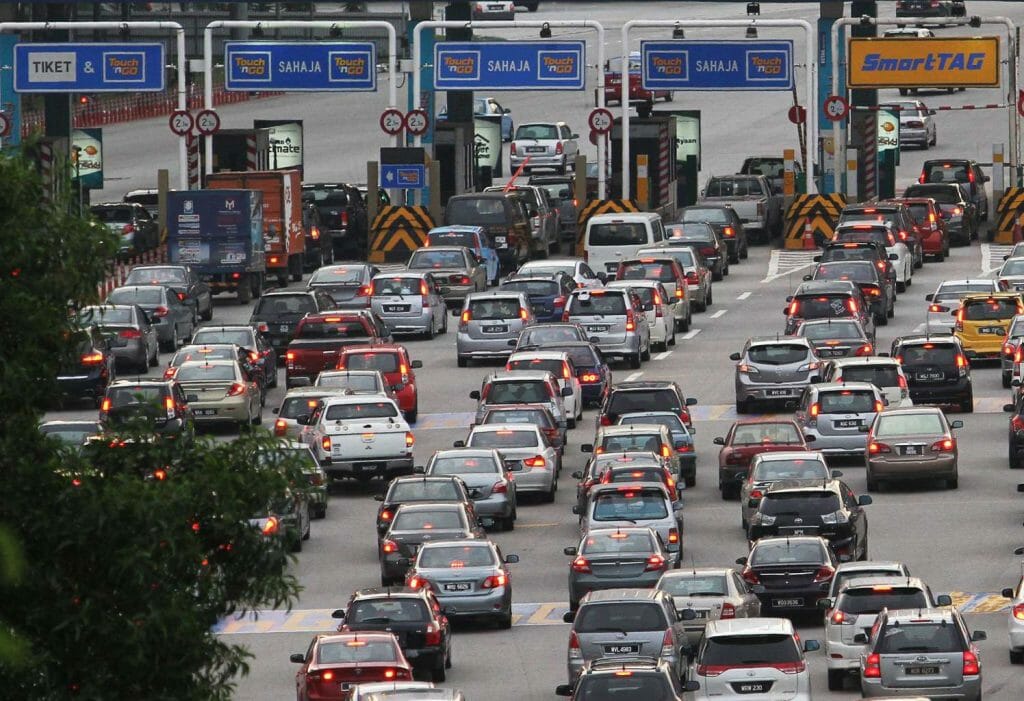
Upgrading traffic signals and implementing smart traffic management systems can optimise traffic flow. Real-time monitoring and adjustments can reduce wait times at intersections and keep traffic moving.
Expand Cycling Infrastructure
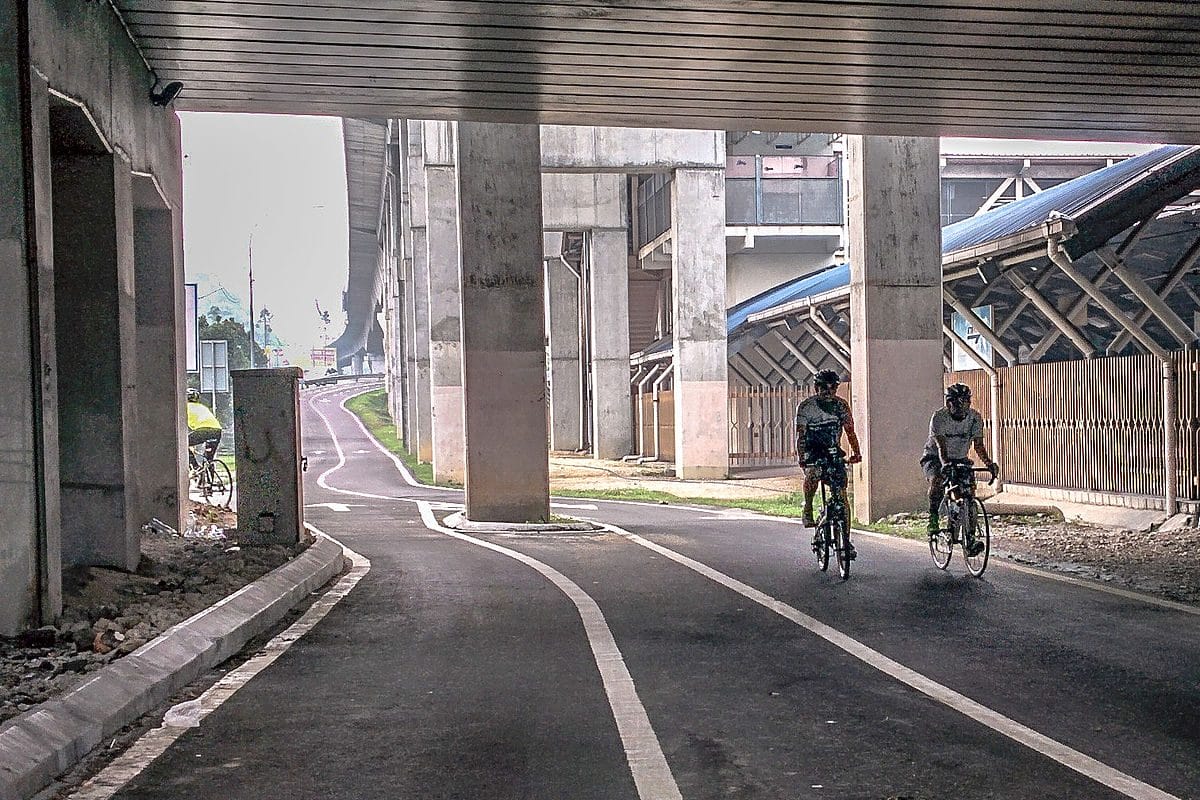
Developing dedicated cycling lanes and facilities can encourage more people to use bicycles for short trips. This not only eases congestion but also promotes a healthier lifestyle.
Increase Awareness of Alternative Routes
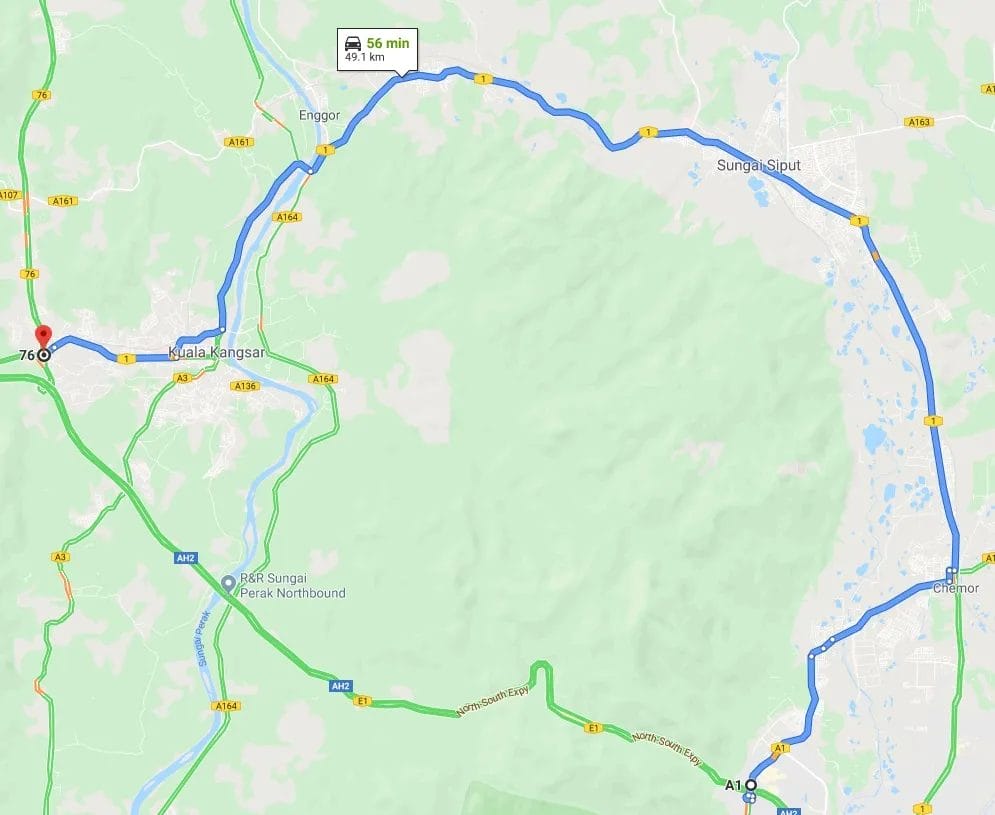
Educating drivers about alternative routes and less congested times can help distribute traffic more evenly throughout the city. Mobile apps that provide real-time traffic updates can be instrumental in this regard.
Encourage Flexible Working Hours

Employers can play a vital role by allowing flexible working hours or remote work options. This can help reduce the number of commuters on the road during peak hours, alleviating congestion.
Promote Mixed-Use Development
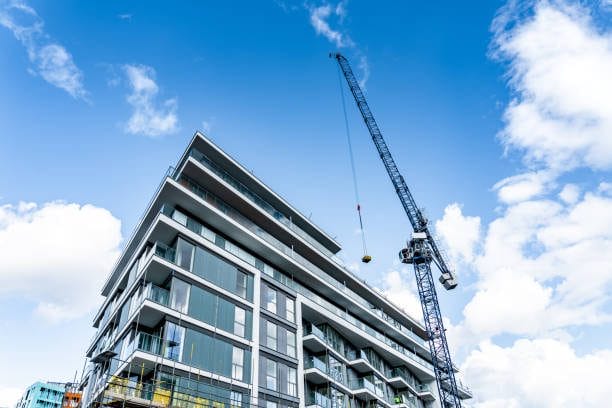
Encouraging mixed-use developments can reduce the need for long commutes. When residential areas are located near workplaces, shops, and amenities, people are more likely to walk or cycle.
Enhance Parking Management
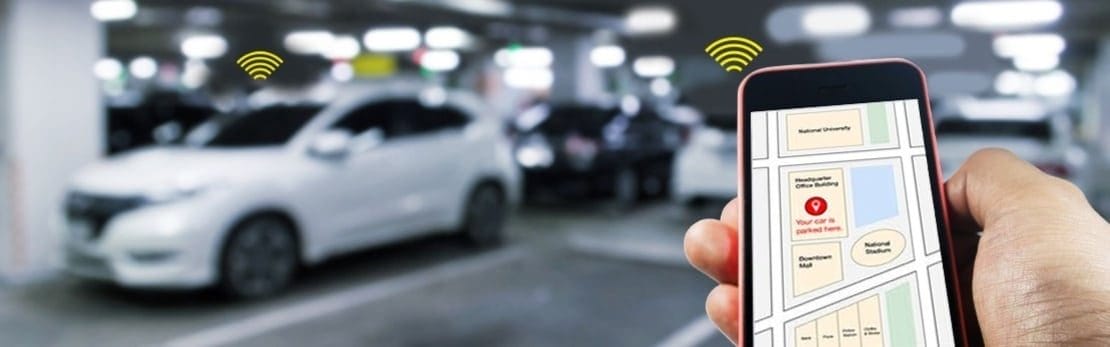
Implementing better parking management strategies, such as limiting on-street parking or introducing park-and-ride facilities, can discourage driving into congested areas and promote the use of public transport.
Incorporate Smart City Technologies
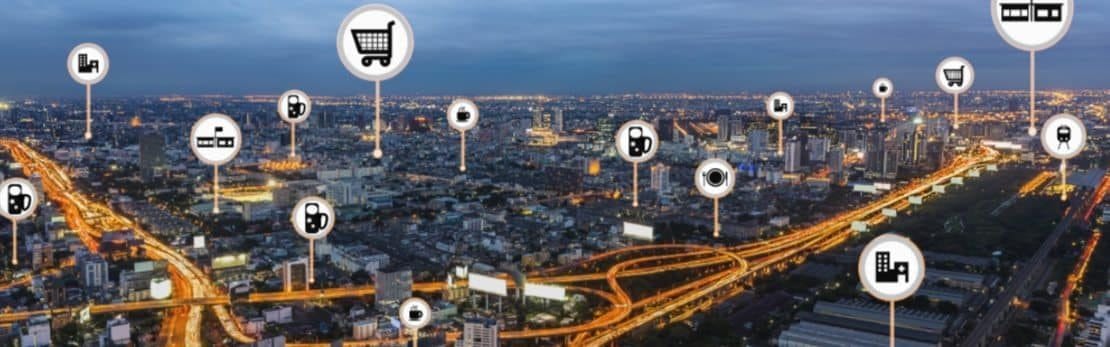
Embracing smart city technologies, such as real-time data collection and analytics, can help city planners make informed decisions. This can lead to more efficient urban design and improved traffic flow.
In conclusion, tackling traffic congestion in Malaysian cities requires a multi-faceted approach that combines public policy, community engagement, and technological advancements. By adopting these strategies, we can work towards a more efficient and less congested urban environment, improving the quality of life for all Malaysians.

