


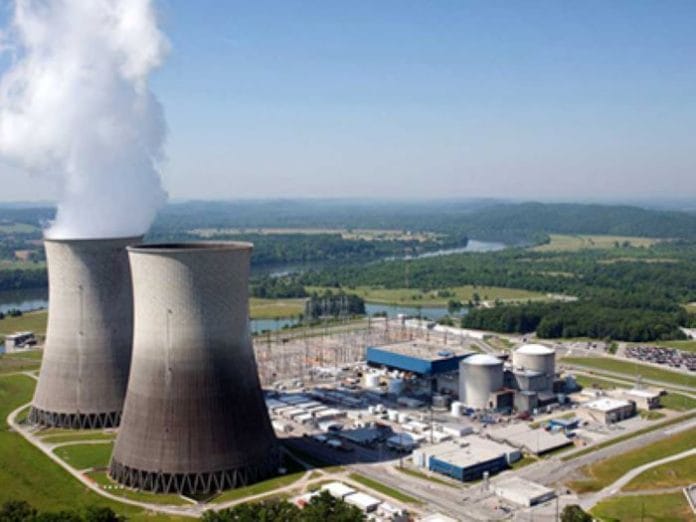
A stable energy supply is essential to Malaysia’s industrial growth and economic resilience ambitions. Nuclear energy’s high energy density, with power generated from a small amount of fuel, is unmatched by other sources. For instance, one uranium pellet can produce the same energy as a ton of coal or 17,000 cubic feet of natural gas. This compactness would reduce
Malaysia’s dependence on fuel imports, improve environmental waste and pollution, and lower logistical costs while ensuring a reliable energy supply, even though we are one of the world’s suppliers of petroleum and renewable energy.
As Malaysia seeks to grow as a regional industrial and technological hub, nuclear power would be instrumental in meeting the demands of industries requiring a stable energy source. Energy- intensive sectors such as manufacturing, high-tech production, medical and digital infrastructure would benefit from nuclear power’s steady supply. As Malaysia moves toward a high-income nation status, a nuclear-powered energy foundation could enhance productivity and competitiveness, positioning the country as a leader in ASEAN’s economic landscape. Not only that, we can even lower the energy supply to customers by almost free as the biggest countries that supply free energy use nuclear power.
The global shift toward nuclear energy as a clean power source is evident, with ASEAN neighbors like Vietnam, Thailand, and the Philippines revisiting nuclear energy options, as new technological developments in nuclear energy are making it safe compared to back in the old days. In East Asia, Japan, and South Korea, which previously limited nuclear development after
the Fukushima disaster, vast research and development are reinvesting in nuclear with updated technologies and heightened safety standards, which make it safer. France generates over 70% of its electricity from nuclear power, exemplifying how nuclear energy can coexist with environmental goals. Meanwhile, China and the United States are advancing nuclear research,
and developing reactors with lower environmental impacts and high energy inputs with small plants as big as a normal village house size.
For Malaysia, joining the global nuclear transition aligns with its obligations under international environmental agreements, like the Paris Agreement, which requires nations to reduce carbon emissions. Nuclear energy emits no carbon during operation, and over its life cycle, it ranks among the cleanest energy sources, with emissions comparable to wind energy and lower than
solar. By adopting nuclear energy, Malaysia could accelerate its journey toward carbon neutrality, strengthening its position in global clean energy initiatives and setting an example for ASEAN.
One common myth about nuclear energy is that it poses severe risks to public health due to radiation exposure. However, living near a well-regulated nuclear plant typically results in less radiation exposure than natural background sources, medical procedures, or frequent flying. Radiation from a nuclear plant is minimal and controlled, as strict safety standards govern the
containment of radioactive materials. In Malaysia, adhering to the International Atomic Energy Agency (IAEA) and World Nuclear Association guidelines would ensure these safety protocols, minimizing risks to communities.
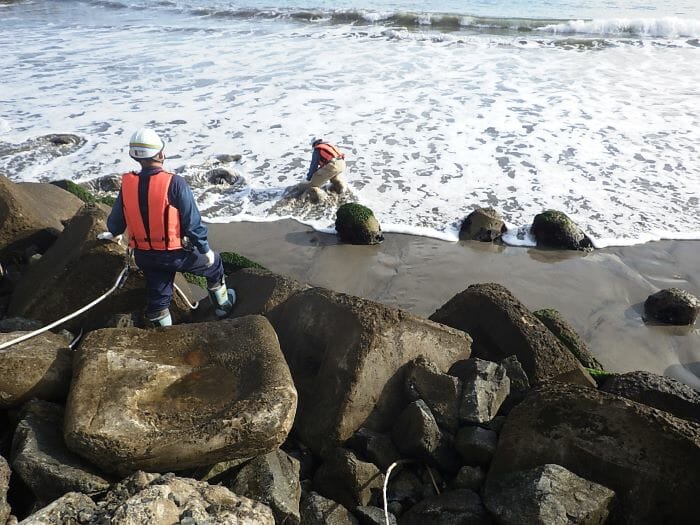
Malaysia’s commitment to safety is exemplified by its stringent health standards and environmental policies, which could extend to a nuclear energy program. Through a rigorous safety plan, Malaysia could deploy modern nuclear technology equipped with passive safety systems, automatic shutdown mechanisms, and emergency response measures. These features
have been designed to prevent any catastrophic failures even in extreme conditions. Additionally, nuclear plants would be strategically located, with comprehensive emergency preparedness plans in place, to maintain public health and safety.
Nuclear waste management is another frequently raised concern, but technological advancements have made waste storage and recycling much more manageable. Leading countries in nuclear energy, like France, have developed reprocessing methods to recycle used nuclear fuel, reducing the volume of high-level waste and the need for new uranium extraction. Malaysia could adopt these practices, utilizing technologies that promote a closed fuel cycle and minimize waste.
Advanced reactors, such as fast-breeder reactors, can utilize spent fuel, turning potential waste into usable energy and reducing environmental impact. Malaysia could also look to countries like Finland, which has built deep geological repositories to isolate nuclear waste securely from the ecosystem. By adopting proven international practices, Malaysia would have the infrastructure to handle nuclear waste sustainably, ensuring minimal risk to the environment and public health. Another significant advantage of nuclear energy lies in its stable pricing. Unlike fossil fuels, which are subject to fluctuations in the global market, nuclear fuel like uranium is more stable in price and can be stockpiled effectively. Once a nuclear plant is operational, its fuel costs are lower, and the plant can produce electricity consistently for 40 to 60 years, making nuclear a
cost-effective energy source in the long term. This stability in energy costs would lessen Malaysia’s reliance on subsidies and allow the government to allocate resources to other essential areas, such as healthcare, education, and infrastructure.
By stabilising electricity prices, nuclear energy could also encourage investments in Malaysia’s energy-intensive industries, attracting foreign investors who seek reliable, affordable power. This growth would drive job creation, supporting Malaysia’s goals to reduce unemployment and increase high-skill opportunities for its citizens. Additionally, a nuclear-powered Malaysia would demonstrate energy resilience, which is crucial as global markets shift toward green energy preferences.
Nuclear power is one of the cleanest forms of energy, as it generates minimal greenhouse gas emissions compared to fossil fuels. According to the Intergovernmental Panel on Climate Change (IPCC), nuclear energy’s life-cycle emissions are among the lowest of all energy sources, placing it on par with wind energy. Transitioning to nuclear power would significantly reduce Malaysia’s carbon emissions, supporting its commitment to the Paris Agreement and providing a concrete way to mitigate climate change.
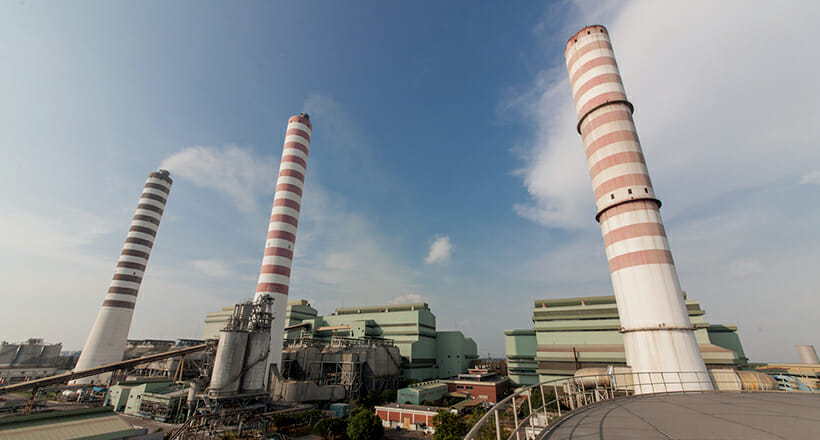
Malaysia’s current energy strategy relies heavily on natural gas and coal, which emit carbon dioxide and other pollutants. Nuclear energy could replace these sources, enabling Malaysia to produce power without contributing to air pollution. Reduced pollution levels would benefit Malaysia’s biodiversity and ecosystems, which are some of the most diverse in the world,
preserving these environments for future generations.
For Malaysia to successfully adopt nuclear energy, it must address public misconceptions and concerns through a targeted education and awareness campaign. A key component would involve clear, factual information about nuclear safety, waste management, and the environmental benefits of nuclear power. Malaysia could partner with the IAEA and ASEAN’s nuclear agencies to develop educational resources, such as seminars, informational websites, and workshops, to build a knowledge base around nuclear energy.
Transparency will be vital in gaining public support. By establishing a community advisory council, the Malaysian government could include citizens, scientists, and environmental advocates in the conversation. Community engagement would also allow the public to raise concerns and ask questions, fostering a sense of trust and collaboration. Additionally, training programs in universities would ensure a qualified workforce, preparing Malaysian professionals to operate, manage, and maintain nuclear facilities with high safety standards.
ASEAN’s movement toward nuclear energy provides Malaysia with valuable opportunities for collaboration. Thailand, Vietnam, and the Philippines are exploring nuclear initiatives and have invested in nuclear research. By partnering with these countries, Malaysia can share resources, knowledge, and expertise to build a nuclear infrastructure that aligns with regional standards.
ASEAN collaborations could lead to shared research facilities, training programs, and policy frameworks that streamline nuclear energy integration in the region. Through these partnerships, Malaysia would benefit from knowledge sharing on safety standards, regulatory practices, and waste management solutions. These collaborations would also signal Malaysia’s commitment to sustainable energy, reinforcing its role as a proactive member in regional energy and environmental policies.
Adopting nuclear energy could catalyse Malaysia’s research and development (R&D) sector, attracting talent in engineering, physics, environmental science, and energy technology. Nuclear technology demands advanced research, providing opportunities for Malaysian universities and research centers to collaborate globally, and enhancing Malaysia’s scientific reputation. Specialized programs in nuclear engineering, energy policy, and safety management could emerge, drawing students from within Malaysia and abroad.
With nuclear technology, Malaysia could establish itself as a center for nuclear and clean energy research in ASEAN. This would foster innovation not only in nuclear energy but also in related fields like materials science, waste management, and renewable energy, building a foundation for a more resilient and diversified economy.
As fossil fuels become scarcer and more expensive, Malaysia’s reliance on imported fuels exposes it to global energy market volatility. Nuclear energy offers a pathway to energy independence, using uranium that can be sourced from stable markets. A nuclear-powered Malaysia would rely less on external fuel sources, gaining greater control over its energy supply and strengthening national security.
Energy independence is essential in today’s geopolitical climate, where energy security often defines a nation’s stability and economic performance. By investing in nuclear energy, Malaysia would be less vulnerable to external shocks in fuel prices and global supply chains, stabilizing its economy and energy security for the future. Transitioning to nuclear energy allows Malaysia to build a legacy of environmental responsibility. As climate change impacts grow, the younger generation is increasingly concerned with sustainable practices. Nuclear energy provides Malaysia with a platform to lead ASEAN in the clean energy transition, making a clear statement on its commitment to preserving the environment for future generations.
In conclusion, nuclear energy presents a viable, clean, and stable option for Malaysia’s energy transition. While misconceptions and challenges exist, a well-planned approach involving public education, international collaboration, and adherence to global safety standards can address these concerns. By adopting nuclear energy, Malaysia can secure a sustainable energy future,
strengthen its economic resilience, and position itself as a leader in ASEAN’s clean energy journey. This bold step would ensure a prosperous, environmentally conscious future, reinforcing Malaysia’s role as a progressive nation dedicated to sustainable development.
By Ts. Dr. Hj. Muhammad Khusairy Bin Capt. Hj. Bakri is a Postdoctoral Research Associate at the Composite Materials and Engineering Center at Washington State University


