



Malaysia’s Smart Tourism 4.0 initiative, launched in 2018, is a game-changer for businesses aiming to stay ahead in the digital age. By integrating cutting-edge tech, sustainability, and immersive experiences, hotels, restaurants, and attractions can enhance visitor satisfaction, boost efficiency, and tap into high-value markets like China’s outbound travelers. Below are actionable strategies inspired by Malaysia’s roadmap, with real-world examples to inspire innovation.
1. Leverage AR/VR for Immersive Experiences
Augmented Reality (AR) and Virtual Reality (VR) let travelers preview destinations or interact with attractions remotely. For example, LokaLocal offers virtual tours of Malaysia’s heritage sites, allowing visitors to “explore” temples or rainforests before booking. Hotels like Le Meridien Petaling Jaya could use VR to showcase rooms or amenities, reducing decision fatigue for guests.
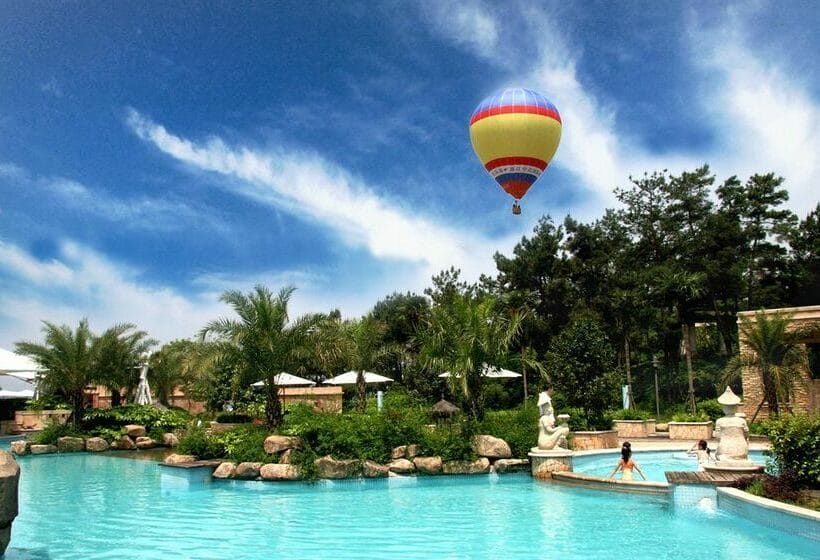
China’s Qiandao Lake uses VR hot air balloon rides to attract tourists. In Malaysia, eco-resorts in Sabah could replicate this by offering VR jungle treks to highlight biodiversity.
2. Partner with Tech Startups for Precision Marketing
Collaborating with platforms like Tourplus or Moovby bridges language gaps and streamlines bookings. Tourplus, for instance, connects travelers with local guides, ensuring seamless cultural immersion. Hotels can integrate these tools to offer bundled packages (e.g., “KL Food Tour + Stay”).
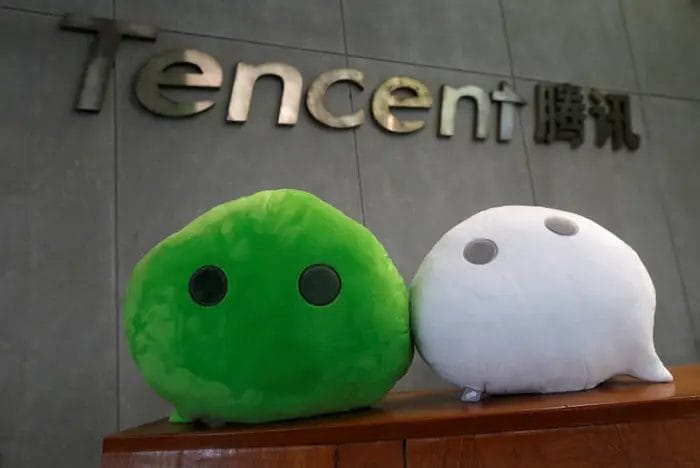
Tencent Holdings, a key partner in Smart Tourism 4.0, helps Malaysia target China’s 1.4 billion population via WeChat and precision marketing. Local businesses can adopt similar strategies to reach niche audiences.
3. Adopt Eco-Tourism Tech for Sustainability
Eco-conscious travelers prioritize destinations that blend innovation with environmental stewardship. Langkawi’s reopening post-pandemic highlights nature-based packages, while Sipadan Island uses smart tools to monitor diving impact. Restaurants can partner with eco-certified suppliers for menus like “zero-waste laksa.”
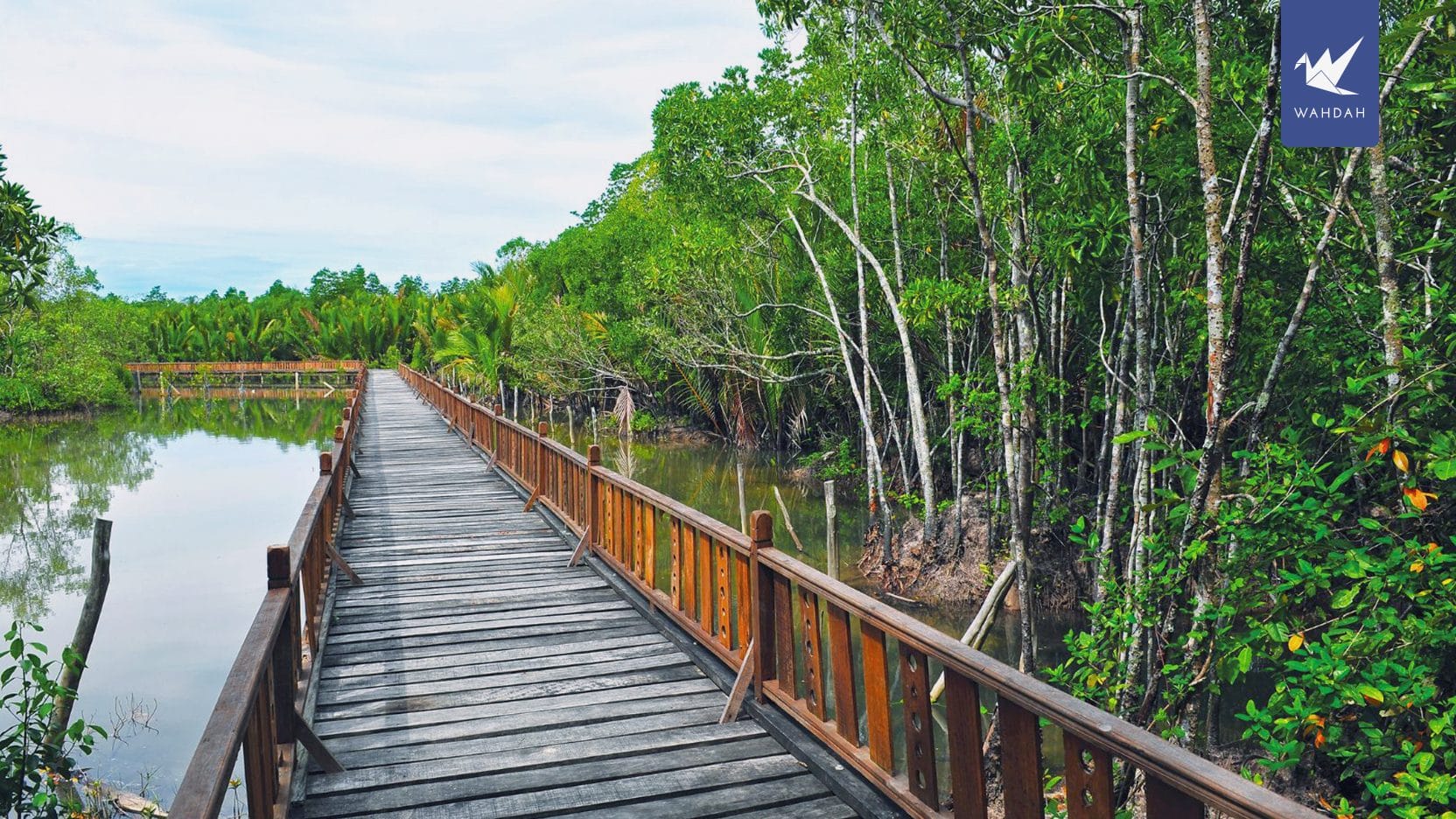
Tourism Malaysia promotes community-led tours in Terengganu, where locals guide visitors through mangrove forests. Hotels can replicate this by offering “green stays” with solar-powered amenities.
4. Invest in AI-Driven Personalization
Artificial Intelligence (AI) tailors experiences to individual preferences. For instance, smart hotel apps can adjust room temperatures or suggest dining spots based on guest data. Restaurants can use AI to predict menu trends or optimize inventory.
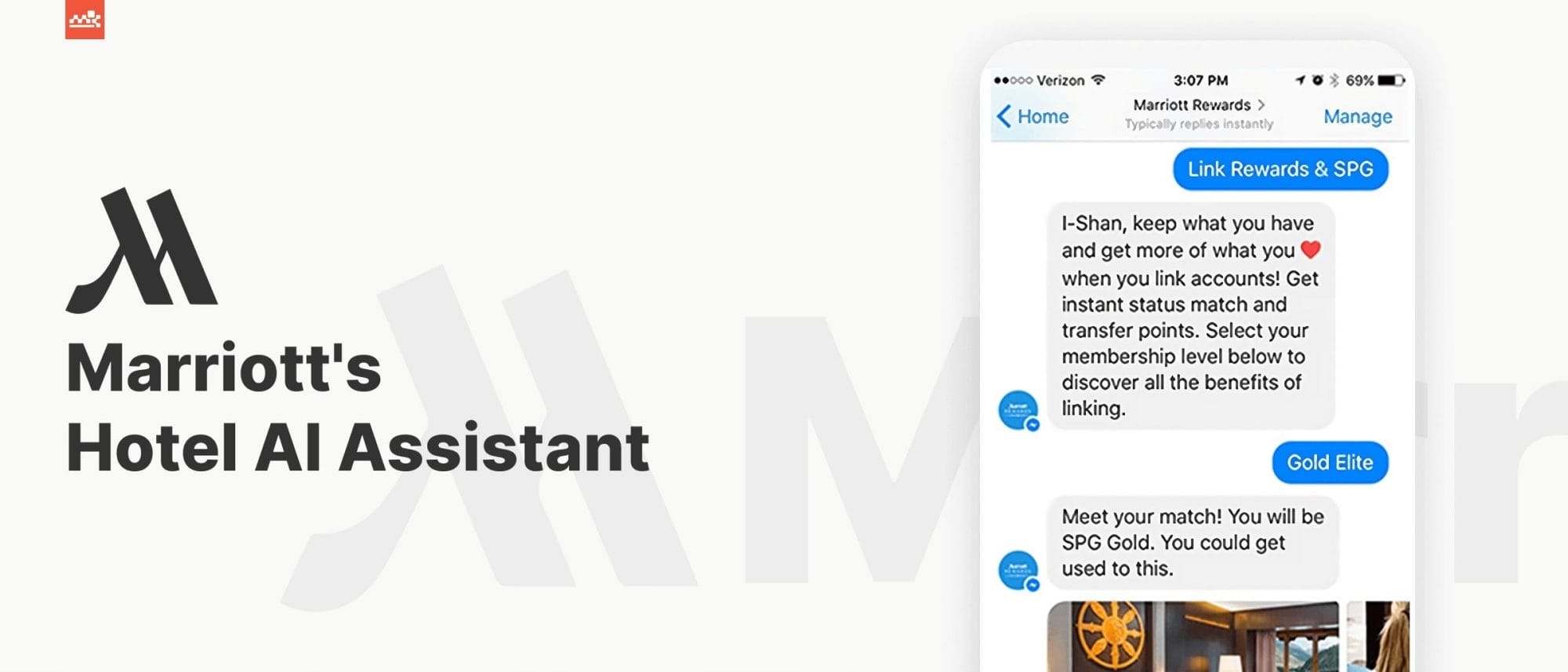
Marriott’s Fairfield uses AI chatbots for 24/7 concierge services. In Malaysia, mid-scale hotels could adopt similar tech to enhance guest loyalty.
5. Enhance Accessibility with Smart Mobility
Apps like Moovby (peer-to-peer car-sharing) reduce reliance on crowded public transport. Hotels in KLCC or Penang can partner with such platforms to offer guests affordable, hassle-free transport.
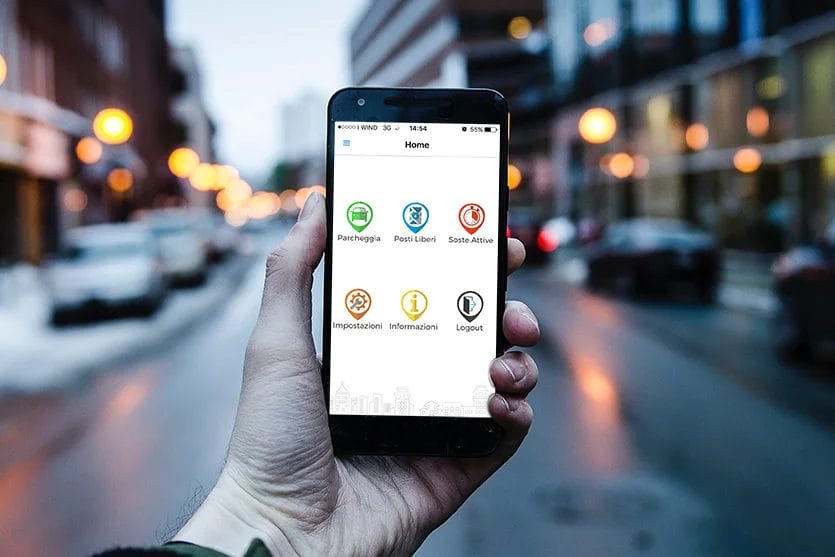
Smart parking apps in tourist hubs like Genting Highlands minimize congestion, improving visitor flow.
6. Gamify Loyalty Programs
Gamification incentivizes repeat visits. Restaurants can reward customers with points for sharing photos of dishes on social media or completing challenges (e.g., “Try all our Raya desserts”).
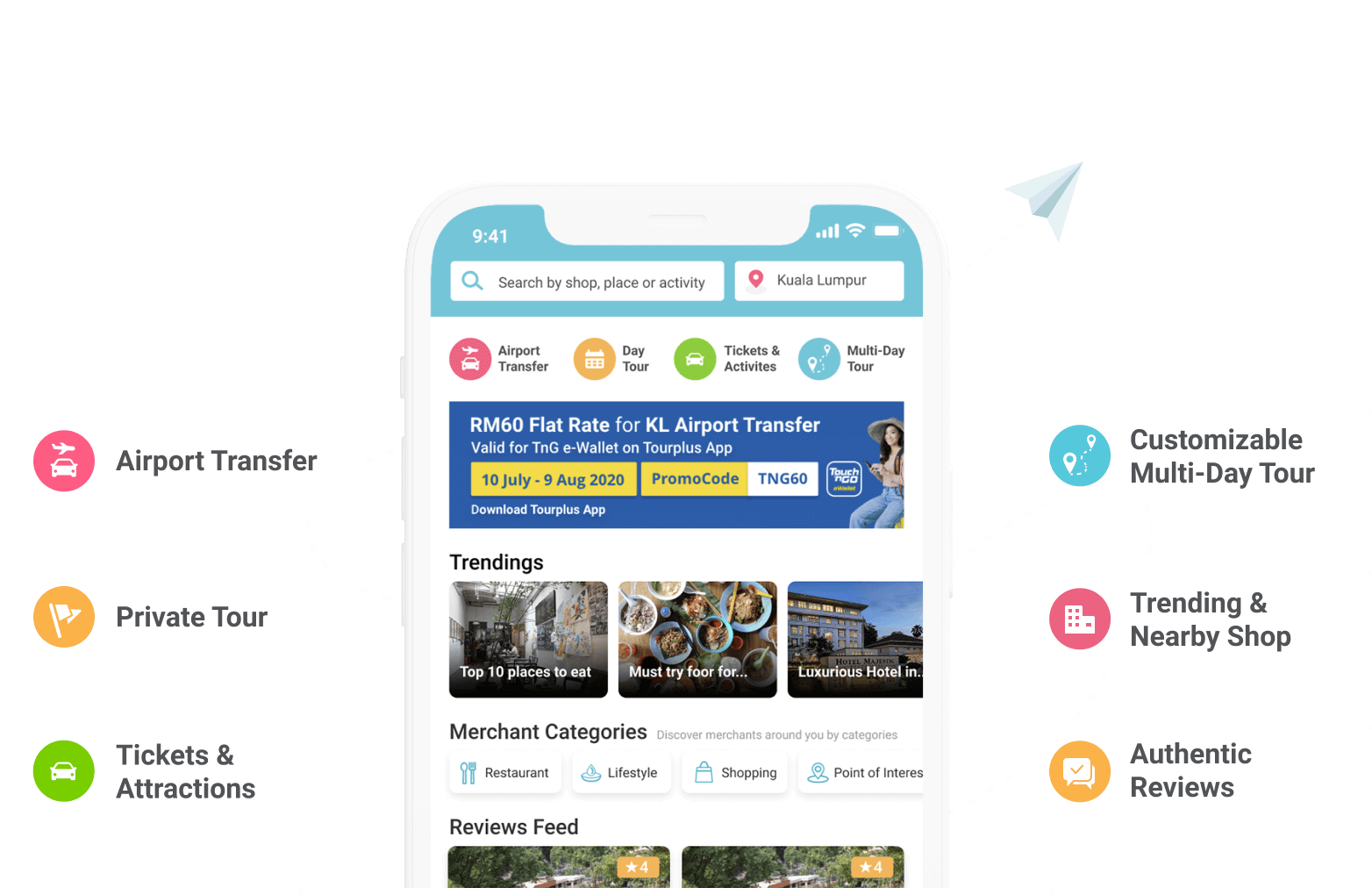
Tourplus gamifies bookings by offering badges for completing tours, fostering engagement.
7. Tap into China’s Outbound Travel Boom
China’s travelers spend heavily, with forecasts of 200 million outbound trips by 2030. Hotels and restaurants can use Tencent’s ecosystem (e.g., WeChat Pay) to cater to this demographic.
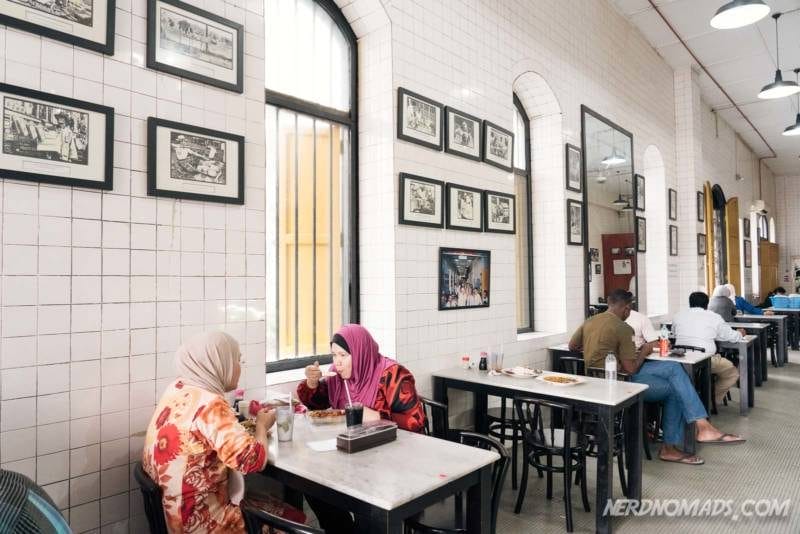
Tourism Malaysia aims to attract 8 million Chinese tourists by 2030 via Smart Tourism 4.0. Local businesses can offer Mandarin-language menus or cultural workshops to appeal to this market.
8. Integrate Smart Data Analytics
Tools like Monitor Deloitte’s tourism flow monitors track visitor patterns, helping businesses optimize staffing or inventory. Restaurants can use data to predict peak hours or popular dishes.
HRD Corp highlights smart parking apps that reduce congestion. Similarly, hotels can use analytics to adjust room pricing dynamically.
9. Focus on Secondary Destinations
Emerging spots like Sandakan or Terengganu offer untapped growth. Hotels can partner with local governments to develop eco-lodges or cultural stays, supported by Smart Tourism 4.0’s infrastructure push.
Bandar Malaysia and KL Metropolis are attracting luxury hotels. Secondary destinations can adopt similar strategies with mid-scale options.
10. Align with UN Sustainable Development Goals (SDGs)
Smart Tourism 4.0 aligns with SDGs like Goal 8 (Decent Work) and Goal 11 (Sustainable Cities). Businesses can highlight eco-friendly practices (e.g., solar energy) or community-led tours to attract socially conscious travelers.
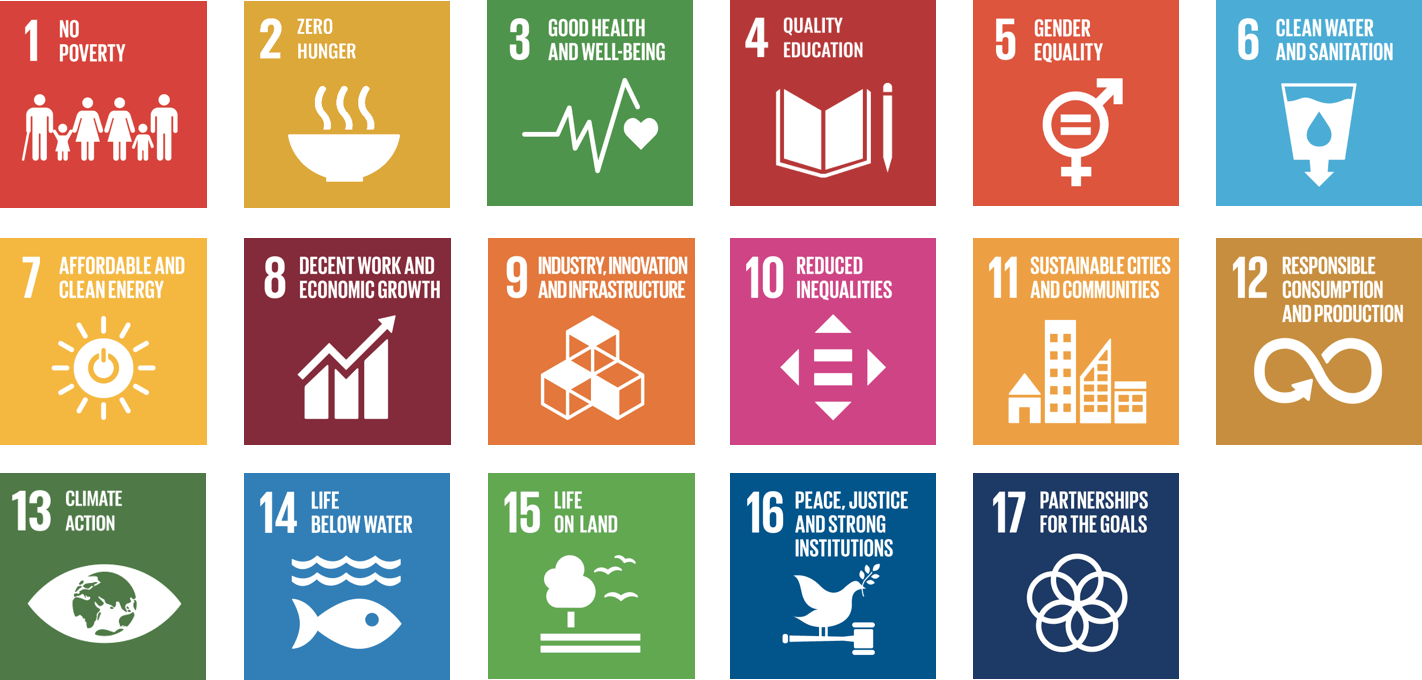
EMIR Research urges integrating social innovation into tourism, such as training local youth in tech-driven roles.
Smart Tourism as a Catalyst for Growth
Malaysia’s Smart Tourism 4.0 isn’t just a buzzword—it’s a blueprint for resilience. By embracing AR/VR, AI, and sustainability, businesses can turn challenges into opportunities. Whether you’re a boutique hotel in Penang or a street food stall in KL, these strategies will position you to thrive in a post-pandemic world. As Tourism Malaysia’s roadmap shows, the future belongs to those who innovate boldly.
In a competitive landscape, staying smart isn’t optional—it’s essential. Let Malaysia’s Smart Tourism 4.0 inspire you to reimagine your offerings, engage digitally, and lead the way toward a brighter, tech-driven tomorrow.

