



The 46th ASEAN Summit, hosted in Kuala Lumpur (KL) under Malaysia’s chairmanship, marked a critical juncture for the 10-member regional bloc as it confronts rising geopolitical headwinds, economic protectionism and internal instability.
Held under the theme “ASEAN Matters: Inclusivity and Sustainability”, the summit brought together Southeast Asian leaders for high-level deliberations aimed at strengthening regional cooperation and preparing ASEAN for an increasingly complex global environment.
Here are five key takeaways that defined the summit:
Vision 2045: KL Declaration Sets Long-Term Strategic Roadmap

A highlight of the summit was the adoption of the KL Declaration on ASEAN 2045: Our Shared Future, which lays out a long-term strategic vision for the bloc through the next two decades.
The roadmap reaffirms ASEAN’s foundational principles of non-interference and consensus while outlining enhanced ambitions in areas such as digital transformation, green development, economic resilience and security cooperation.
The declaration aims to ensure ASEAN remains relevant and united in the face of shifting global power dynamics and disruptive technologies. It envisions a more adaptive and agile ASEAN that can act decisively on transboundary issues like climate change, cybersecurity and public health.
ASEAN Responds to US Tariff Hikes with Unified Economic Front
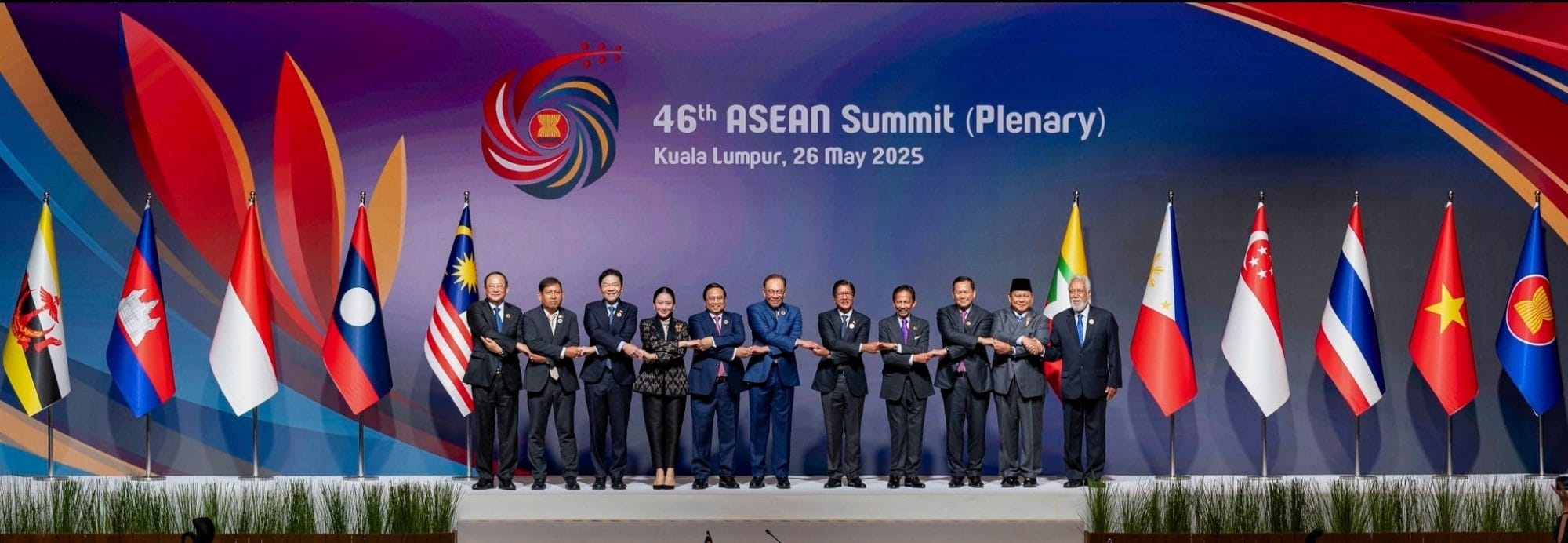
Recent tariff hikes by the US targeting exports from six ASEAN countries cast a shadow over the summit. In response, ASEAN leaders agreed to adopt a coordinated approach to trade negotiations with Washington, aiming to mitigate the impact on regional supply chains and economic recovery.
Malaysian Prime Minister (PM) and ASEAN Chair Datuk Seri Anwar Ibrahim announced the formation of a regional task force to study and negotiate on the matter, emphasising that ASEAN would not allow external economic pressure to divide the bloc.
The move signals a maturing ASEAN that seeks to collectively defend its economic interests amid growing global trade tensions.
Deepening Strategic Ties with China and the GCC
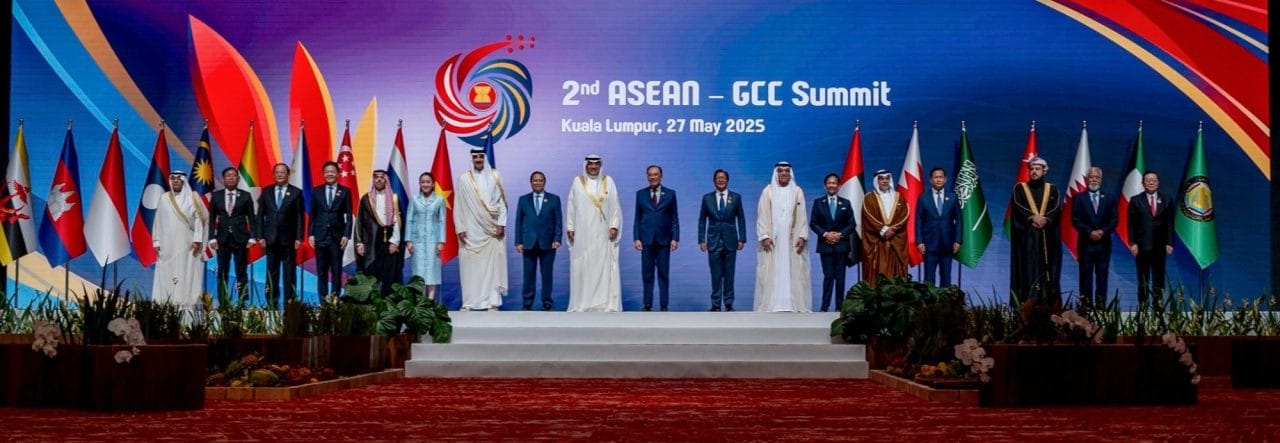
The summit also served as a platform to enhance ASEAN’s external partnerships. Notably, it hosted the 2nd ASEAN-Gulf Cooperation Council (GCC) Summit and the inaugural ASEAN-GCC-China Summit, reflecting ASEAN’s intent to diversify economic partnerships beyond traditional Western allies.
Anwar mentioned in his opening remarks during the ASEAN-GCC Summit that, in 2023, the GCC was ASEAN’s seventh largest trading partner, with total trade reaching US$130.7 billion and foreign direct investment inflows were US$390.2 million.
Anwar then stressed that a stronger ASEAN-GCC relationship would be key to enhancing interregional collaboration, building resilience, and securing sustainable prosperity for the people.
The same sentiment was echoed by Chinese Premier Li Qiang, who urged for closer collaboration, citing the untapped potential between ASEAN, the GCC and China, as the trade value is expected to experience an average growth of 30%, reaching a total of US$18 billion by 2032.
Despite accounting for nearly a quarter of the world’s population and economic output, the three regions only account for 5% of global trade. Hence, the leaders agreed to boost infrastructure investment, trade liberalisation and cross-border connectivity, including in areas like digital finance and green energy.
ASEAN Reaffirms Commitment to Peace in Myanmar
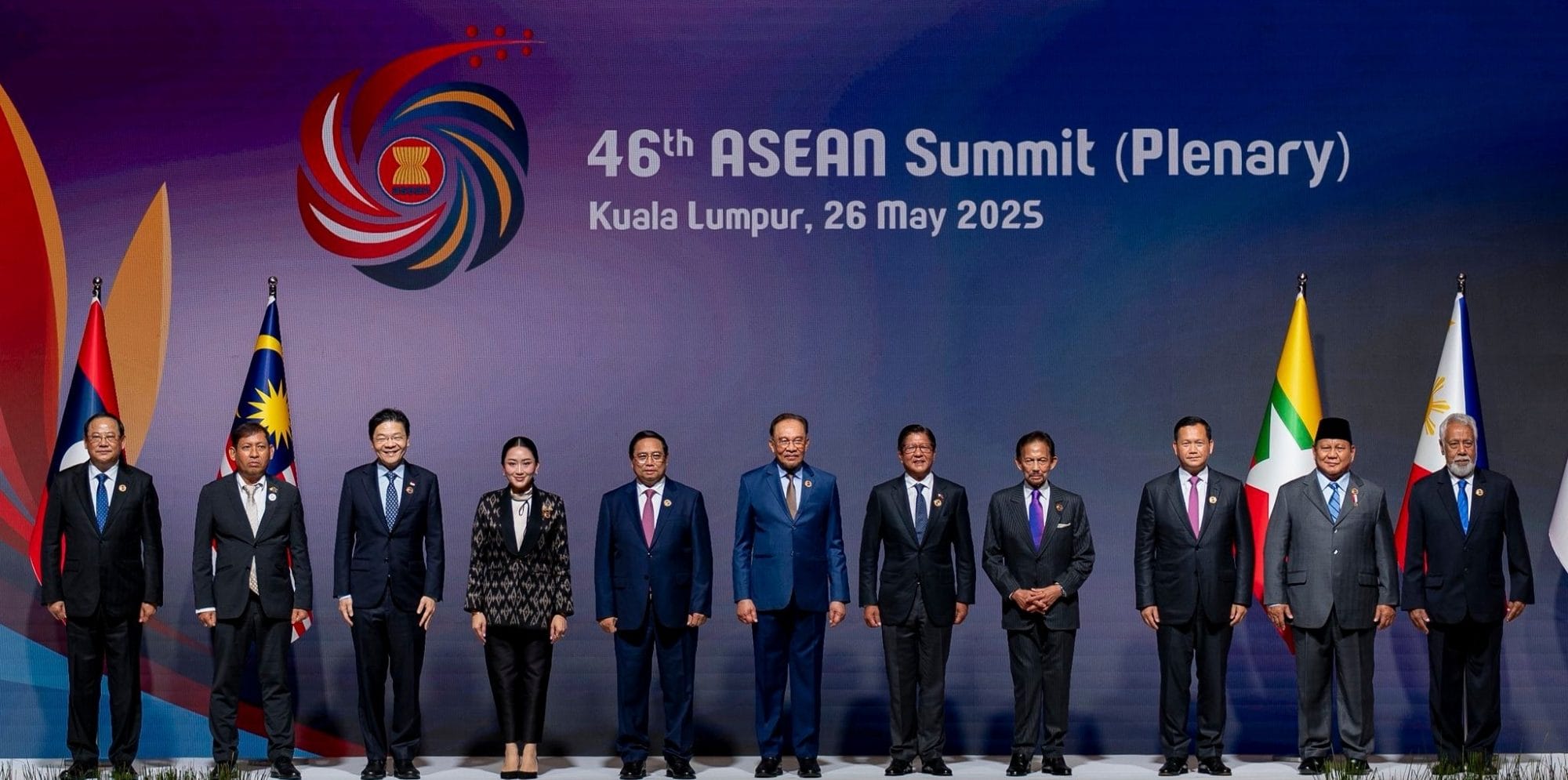
The summit reiterated ASEAN’s central role in resolving the protracted crisis in Myanmar. The ASEAN leaders supported expanding the fragile ceasefire and called for inclusive political dialogue among all stakeholders in Myanmar. The Five-Point Consensus, first introduced in 2021, was reaffirmed as the framework for peace.
ASEAN continues to walk a delicate diplomatic tightrope, balancing engagement with the Myanmar military junta while maintaining credibility with the international community and pro-democracy groups.
The summit also called for sustained humanitarian aid and endorsed greater involvement from ASEAN’s special envoy in facilitating conflict resolution.
Toward a Larger ASEAN: Timor-Leste and Papua New Guinea in Focus
The summit reaffirmed ASEAN’s commitment to expand its membership, recognising the progress made by Timor-Leste toward full accession. Malaysian PM Anwar suggested that Timor-Leste could officially join as early as the next ASEAN Summit in October 2025.
Meanwhile, Indonesia’s President Prabowo Subianto proposed opening membership talks with Papua New Guinea. The proposal sparked interest but also debate, as some member states raised concerns about readiness and institutional capacity.
Nonetheless, the conversation signalled ASEAN’s growing ambition to broaden its geopolitical footprint and enhance its global relevance.
Overall, the 46th ASEAN Summit concluded with a strong message of unity and forward-looking resolve. As global uncertainties mount, from geopolitical rivalries to economic nationalism, ASEAN’s leaders demonstrated a renewed commitment to regional solidarity, strategic foresight and external diversification.
While challenges such as the Myanmar crisis and trade friction with the US persist, the summit’s outcomes suggest a bloc that is increasingly confident in shaping its own path on the global stage.
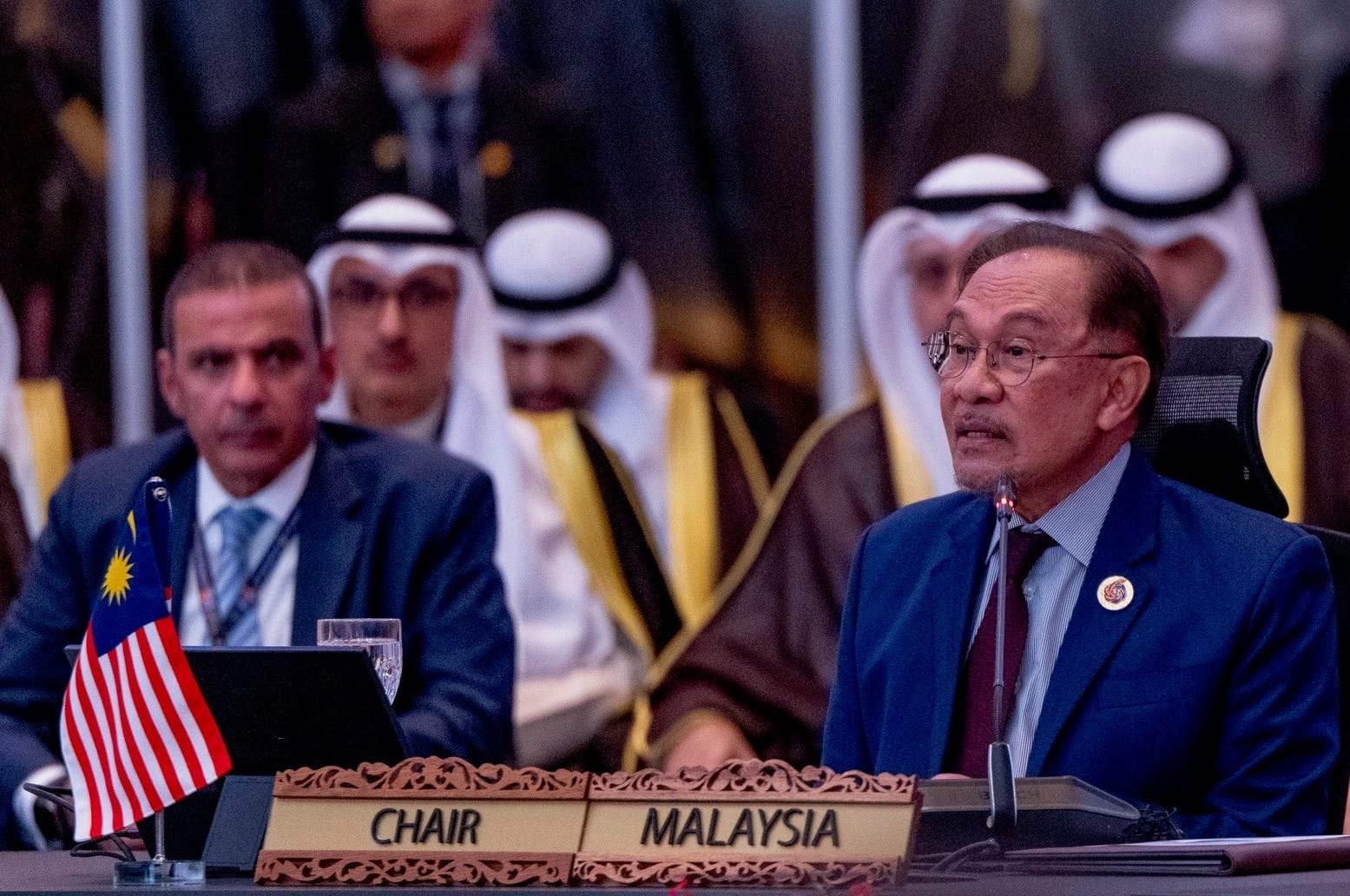
As Malaysian PM Anwar aptly summarised, “ASEAN must not just react to global events, it must help shape them”.
Now all eyes will be on the upcoming 47th ASEAN Summit in October 2025 to find out what will be unfold.


