


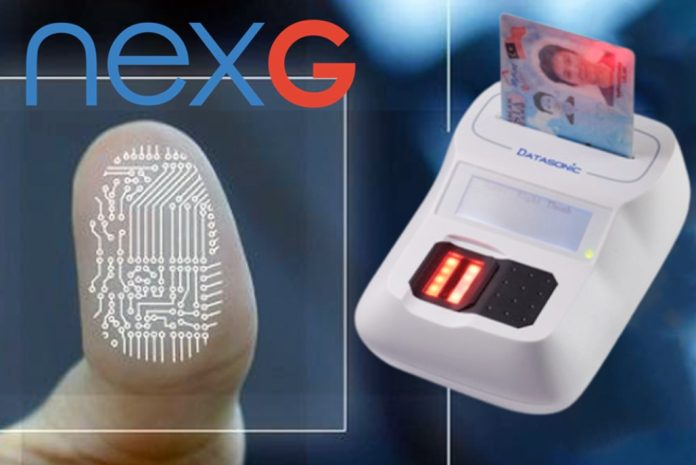
RHB Investment Bank Bhd (RHB Research) has reiterated its BUY call on NexG Bhd with a target price of RM0.48, implying a 14.3% upside from its last traded price of RM0.42. The research house noted that recent contract extensions totalling over RM45.5 million from the Home Affairs Ministry (KDN) reaffirm the group’s strong standing in delivering critical public sector solutions.
These latest wins, which include the extension of contracts for both Malaysian passport components and MyKad supply, were anticipated and fall within RHB Research’s order replenishment projections. NexG secured a fourth extension for its e-Passport solution, covering the supply of Malaysian passport documents and polycarbonate biodata pages. The contract spans six months from Dec 1 2025, to May 31 2026, as the government continues evaluating proposals for enhanced passport features and printing systems under a long-term arrangement.
Simultaneously, the group clinched a third extension for supplying raw MyKad, MyTentera and MyPOCA cards, along with consumables to the National Registration Department (JPN). This contract is also valid from Dec 1 2025, to May 31 2026, with an additional ceiling value of RM29.7 million. Complementing this, NexG received a 14-month extension for maintaining card personalisation centres at JPN, worth an additional RM15.9 million, running until Jan 31 2027.
RHB Research highlighted that the extensions reduce the share price overhang caused by concerns over a lack of long-term government contracts. With continued strong demand for government-related digital identification and document solutions, the brokerage believes NexG’s earnings outlook remains well-supported.
The research house maintained its forecasts and valuation basis, applying a 20 times FY26F price-to-earnings multiple, which is in line with NexG’s five-year average. The RM0.48 target price also factors in a 4% ESG discount due to the group’s below-average ESG score of 2.8 against Malaysia’s country mean of 3.0.
RHB Research sees NexG’s competitive edge in mission-critical public sector solutions, solid cash flow generation and potential upside from new project wins as key investment merits. However, it also flagged downside risks including cost inflation, weak order flows, policy shifts and non-renewal of key contracts.

