


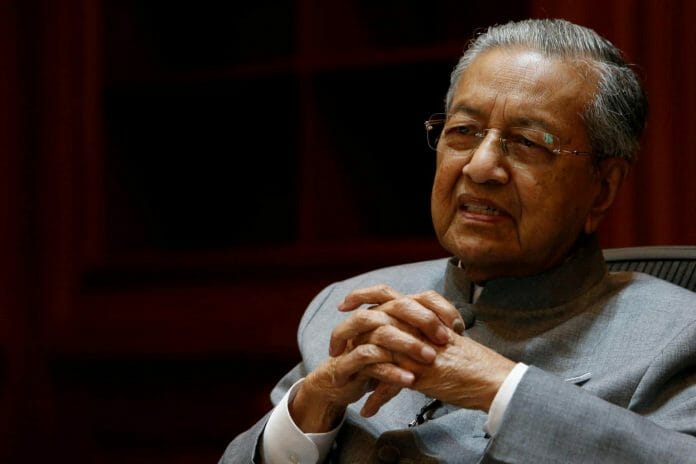
Let’s wish our most revered statesman, Tun Dr Mahathir Muhammad, a very wonderful 100 year birthday.
Without a doubt, Tun Mahathir stands as a singular figure in the nation’s history — admired, debated and undeniably consequential. His centenary is more than a personal milestone; it is a national moment that invites Malaysians to reflect on a life that has defined, disrupted and driven the country’s political and economic trajectory for over seven decades.
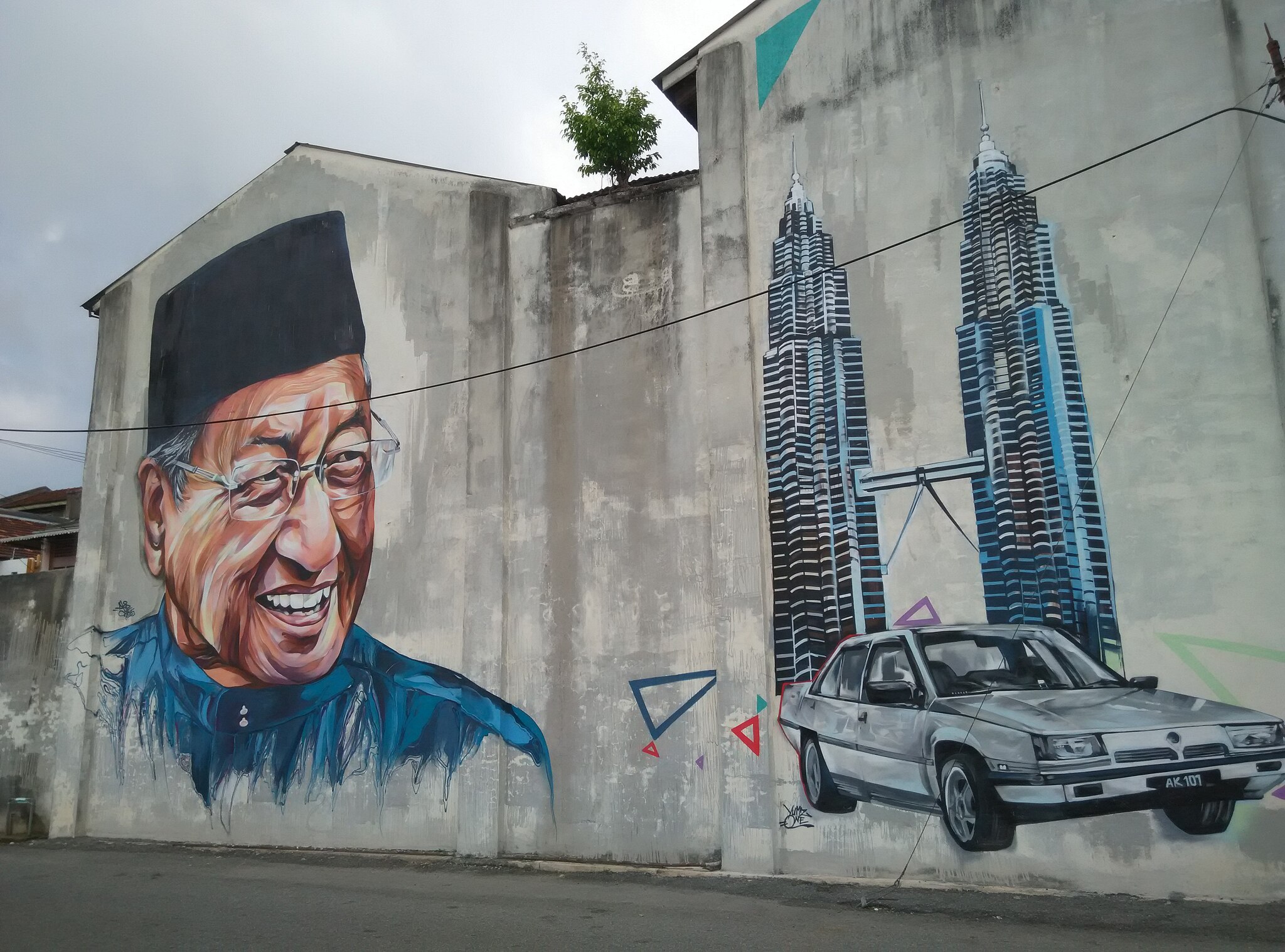
BusinessToday would like to pay tribute to the man who is also known as ‘Bapa Pemodenan’ or the Father of Malaysia’s Modernisation. After all, it’s his vision that gave birth to the Petronas Twin Towers, the Kuala Lumpur International Airport (KLIA) and Putrajaya!
The Architect of Modern Malaysia
Tun Mahathir was born on July 10, 1925, in Alor Setar, Kedah, to a modest family of Indian-Muslim and Malay heritage. The youngest of nine children, he was raised by a strict yet principled school teacher father who instilled in him the values of discipline and education.
A bright student, Tun Mahathir attended Sultan Abdul Hamid College before enrolling in King Edward VII College of Medicine in Singapore. During his student years, he began writing political essays and became increasingly aware of colonial injustices and social inequalities, experiences that would later shape his worldview and lay the foundation for his entry into politics.
Tun Mahathir’s first premiership, from 1981 to 2003, remains one of the most transformative eras in Malaysia’s post-independence history. A trained doctor turned politician, he rose through the ranks of UMNO and, upon assuming office, launched a sweeping vision to industrialise the country and reduce its reliance on agriculture and commodities.
Known as the nation’s “Father of Modernisation”, Tun Mahathir introduced Vision 2020, a roadmap for Malaysia to become a fully developed nation by the year 2020, and championed bold infrastructure projects such as the North-South Expressway, the KLIA, the government administration hub Putrajaya and the iconic Petronas Twin Towers.
Under his leadership, Malaysia experienced rapid GDP growth, urban expansion and the emergence of a strong middle class.
At the same time, he centralised power, suppressed dissent and was widely criticised for weakening democratic institutions.
His decision to sack and jail his former deputy, Datuk Seri Anwar Ibrahim, in 1998 led to the Reformasi movement and created enduring political fault lines that would define the nation’s politics for decades.
The Comeback Nobody Expected
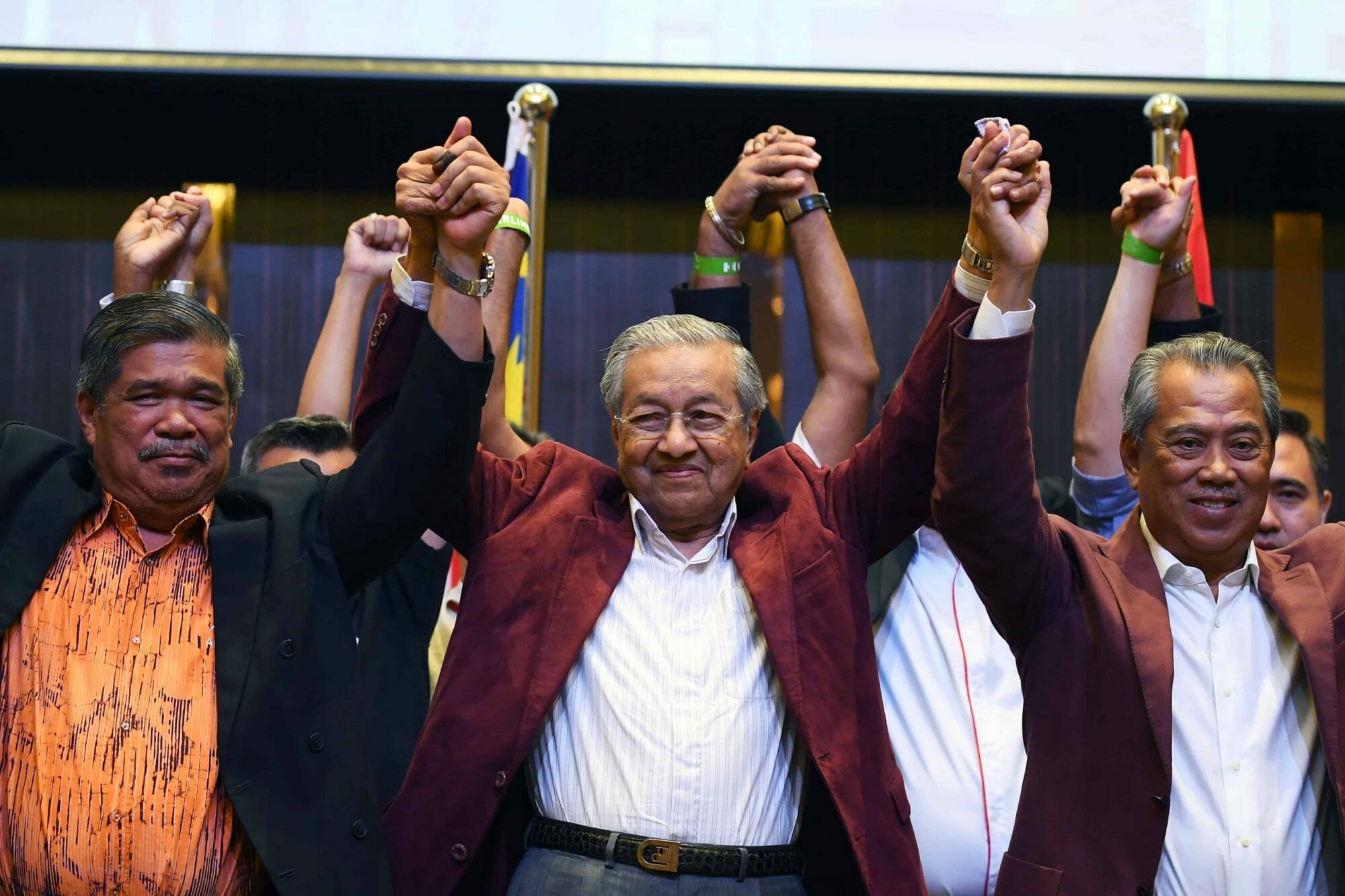
Tun Mahathir’s return to power in 2018, at the age of 92, was nothing short of astonishing. Disillusioned with the Datuk Seri Mohd Najib Razak administration and the 1Malaysia Development Bhd scandal, he led the Opposition coalition Pakatan Harapan to a historic victory as he successfully unseated the very party he once led.
Although his second premiership was brief, it was symbolically powerful at the same time as the former strongman reinvented as a reformer.
Though his time in power the second time (2018-2020) was marred by internal disagreements and ultimately ended with political turmoil, his comeback reinforced his reputation as a political force like no other, capable of both reinventing himself and reshaping the national narrative well into his nineties.
A Legacy That Defies Easy Categorisation
Throughout his life, Tun Mahathir has been a polarising figure. His supporters credit him for laying the foundations of modern Malaysia and giving the nation an assertive global voice, especially within the Muslim world and the Global South.
His Look East Policy, which encouraged emulation of Japan and South Korea’s work ethic and industrial strategies, helped redefine Malaysia’s economic identity.
Critics point to his authoritarian streak, curbs on the judiciary and press, the entrenchment of race-based policies and his complex legacy on inter-ethnic relations.
Even in retirement, Tun Mahathir has not shied away from public discourse, weighing in on national issues, forming new political parties and offering critiques that continue to stir both admiration and controversy.
100 Years and Still Watching
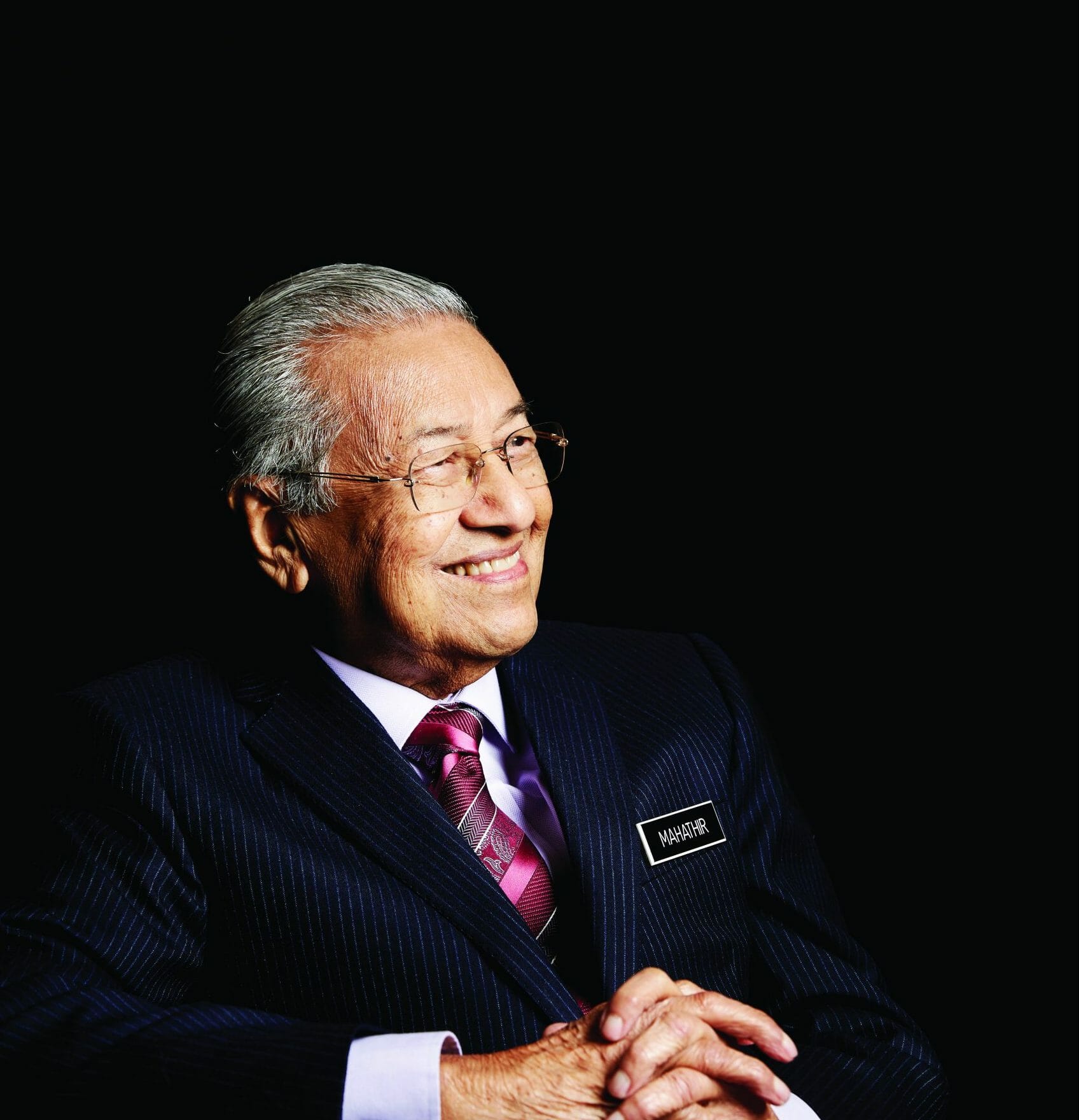
At 100, Mahathir remains intellectually sharp and politically engaged. While no longer at the centre of power, his voice still carries weight — a testament to the longevity of both his influence and ambition.
He has lived through colonial rule, Japanese occupation, independence, economic booms and busts, political crises and generational change. Few leaders in the world today can claim to have been active participants in shaping both the 20th and 21st centuries of their nation’s history.
An Enduring Symbol of Malaysia’s Evolution
For many Malaysians, Mahathir is both a product and a shaper of the national psyche, a man who embodied Malaysia’s aspirations, contradictions and challenges.
His centenary arrives not only as a personal milestone but as a symbolic marker of the country’s journey from Merdeka to modernity.
As the nation reflects on the past century, the story of Tun Mahathir remains central to understanding Malaysia’s place in the world and how one man, driven by conviction, ambition and a complex vision of nationhood, came to define an era.
Tun Mahathir at 100 is not just a witness to history, but its architect.


