



Singapore researchers at the Singapore-MIT Alliance for Research and Technology (SMART) have developed the first automated tool capable of analysing RNA modifications across thousands of biological samples, a breakthrough expected to advance research and treatment of cancer and infectious diseases.
The system rapidly profiles transfer ribonucleic acid (tRNA) modifications, tiny chemical changes in RNA that control how cells grow, adapt to stress and respond to disease. By enabling high-throughput and quantitative analysis, the tool provides insights into cellular adaptation and gene regulation, potentially guiding the development of targeted therapies and personalised medical treatments.
Led by SMART’s Antimicrobial Resistance (AMR) interdisciplinary research group, the study was conducted in collaboration with Nanyang Technological University, University of Florida, University at Albany, Lodz University of Technology and MIT. The research addresses the limitations of current molecular methods, which are slow, costly and labour-intensive, often involving hazardous chemicals.
“This pioneering tool marks a transformative advance in decoding the complex language of RNA modifications that regulate cellular responses. By enabling rapid, large-scale analysis, the tool accelerates both fundamental scientific discovery and the development of targeted diagnostics and therapies,” said Prof Peter Dedon, co-lead principal investigator at SMART AMR and Professor of Biological Engineering at MIT.
The tool has already enabled the discovery of previously unknown RNA-modifying enzymes and mapping of complex gene regulatory networks in Pseudomonas aeruginosa, a bacterium responsible for infections such as pneumonia, urinary tract infections and wound infections. Researchers analysed tRNA from over 5,700 genetically modified strains, generating more than 200,000 high-resolution data points that revealed how cells respond to environmental stressors such as low oxygen and nutrient scarcity.
Unlike traditional methods, SMART’s automated system uses robotics to handle sample preparation and liquid chromatography-tandem mass spectrometry (LC-MS/MS) analysis safely and efficiently, eliminating hazardous chemical use while reducing costs. This advancement makes large-scale epitranscriptomic studies practical for both research and clinical laboratories.
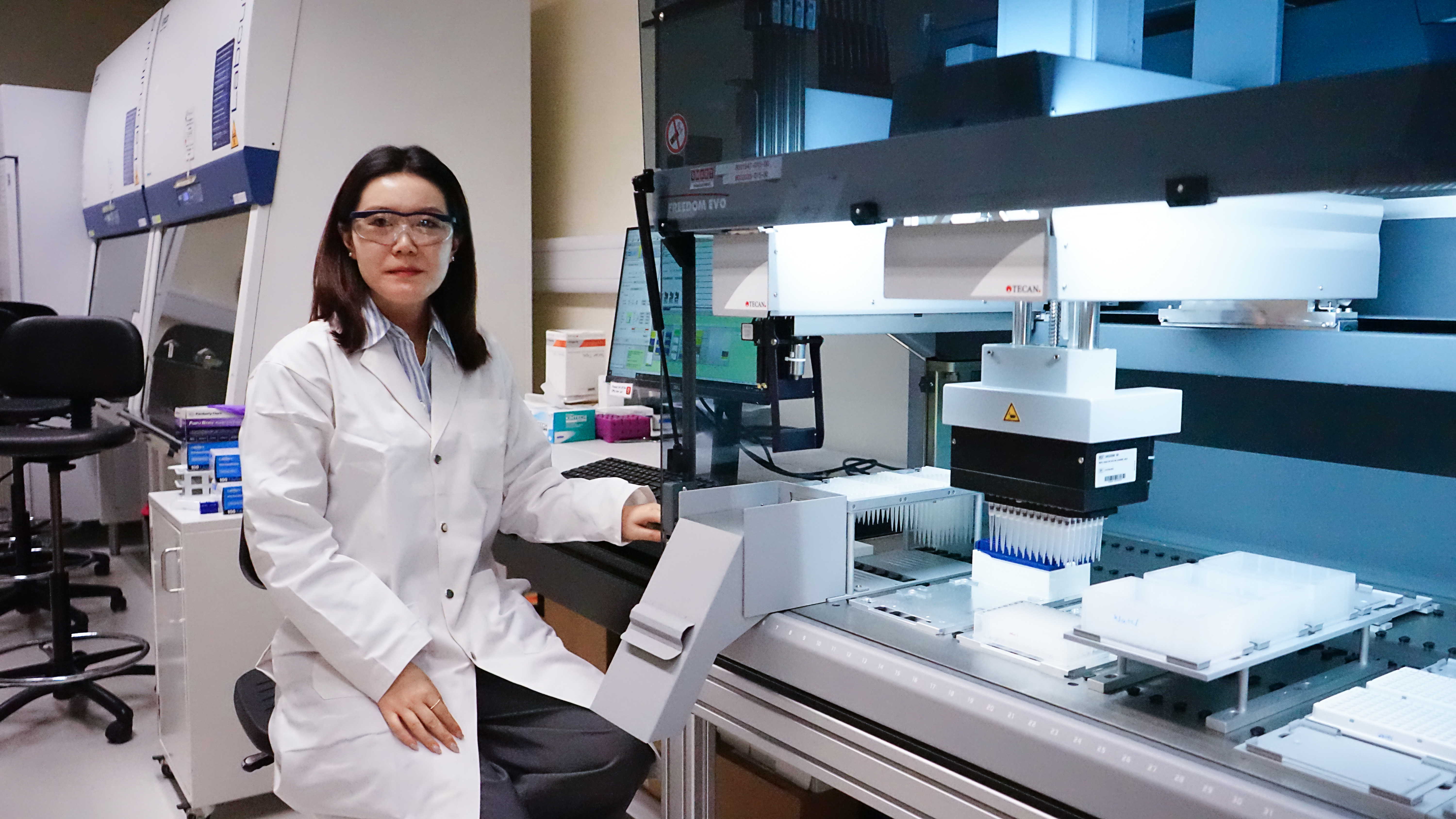
“This is the first tool that can rapidly and quantitatively profile RNA modifications across thousands of samples. It opens the door to identifying biomarkers and therapeutic targets for diseases such as cancer and antibiotic-resistant infections,” said Dr Jingjing Sun, research scientist at SMART AMR and first author of the study.
Moving forward, SMART plans to expand the tool to analyse RNA modifications in human cells and tissues, supporting clinical research and the development of personalised therapies. The technology is poised to enhance drug discovery, biomarker screening and disease diagnostics across healthcare and biotechnology sectors.
The research was published in Nucleic Acids Research and is supported by Singapore’s National Research Foundation under the CREATE programme.


