


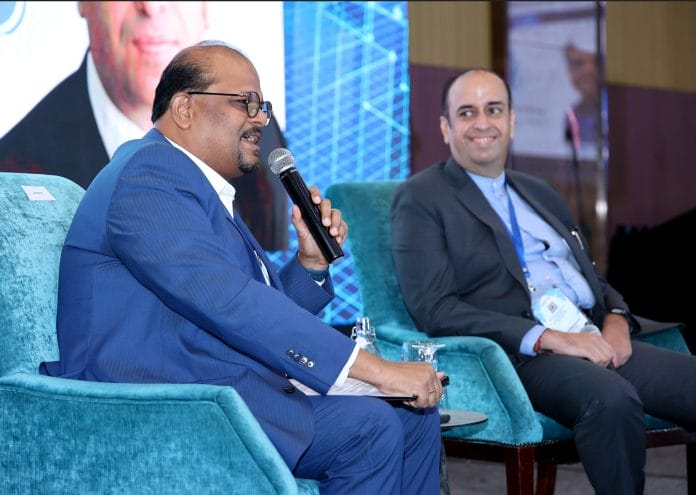
Company secretaries must automate paperwork and shift into high-value advisory roles as artificial intelligence (AI) increasingly takes over routine tasks, delegates heard at the The Malaysian Institute of Chartered Secretaries and Administrators (MAICSA) Conference 2025 themed ‘Future Governance’ held recently.
Commerce.Asia founder and chairman Ganesh Kumar Bangah (right in pic) told the 1,200-strong audience that while AI can generate documents and streamline filings, it cannot replace human intellect in guiding companies responsibly.
“AI can provide knowledge, but it is governance professionals who must add judgement, context and accountability,” he said. “Your value is no longer in compliance for its own sake, but in advising companies on how to apply governance to grow responsibly.”
MAICSA CEO Justin J Anthony (left in pic), who hosted the discussion entitled “Digital Governance: Balancing Innovation, Compliance and Accountability in a Tech-Driven Economy”, emphasised that the profession must recognise its central role in the digital economy.
“Future governance is about enabling innovation while protecting trust,” said Justin. “Company secretaries have gone beyond being administrators to emerge as architects of resilience in a tech-driven economy”.
He added that MAICSA’s role is to equip members with the skills and foresight to guide boards through disruption, reminding delegates that governance professionals are “advisers to the board, not just minute-takers”.
He said that understanding the forces reshaping industries — from cybersecurity threats to social commerce — is essential for ensuring boards stay agile while maintaining accountability.
Ganesh noted that the digital economy is no longer a separate sector but the economy itself, contributing 25.5% to Malaysia’s GDP in 2025 and targeted to reach 30% by 2030.
While emerging technologies such as AI and blockchain are advancing rapidly, he pointed out that e-commerce remains the ‘real essence’ of such growth.
“Platforms like TikTok Shop now transact up to RM2 billion a month, making it Malaysia’s second-largest marketplace after Shopee and ahead of Lazada,” added Ganesh.
From compliance to value creation in the digital age
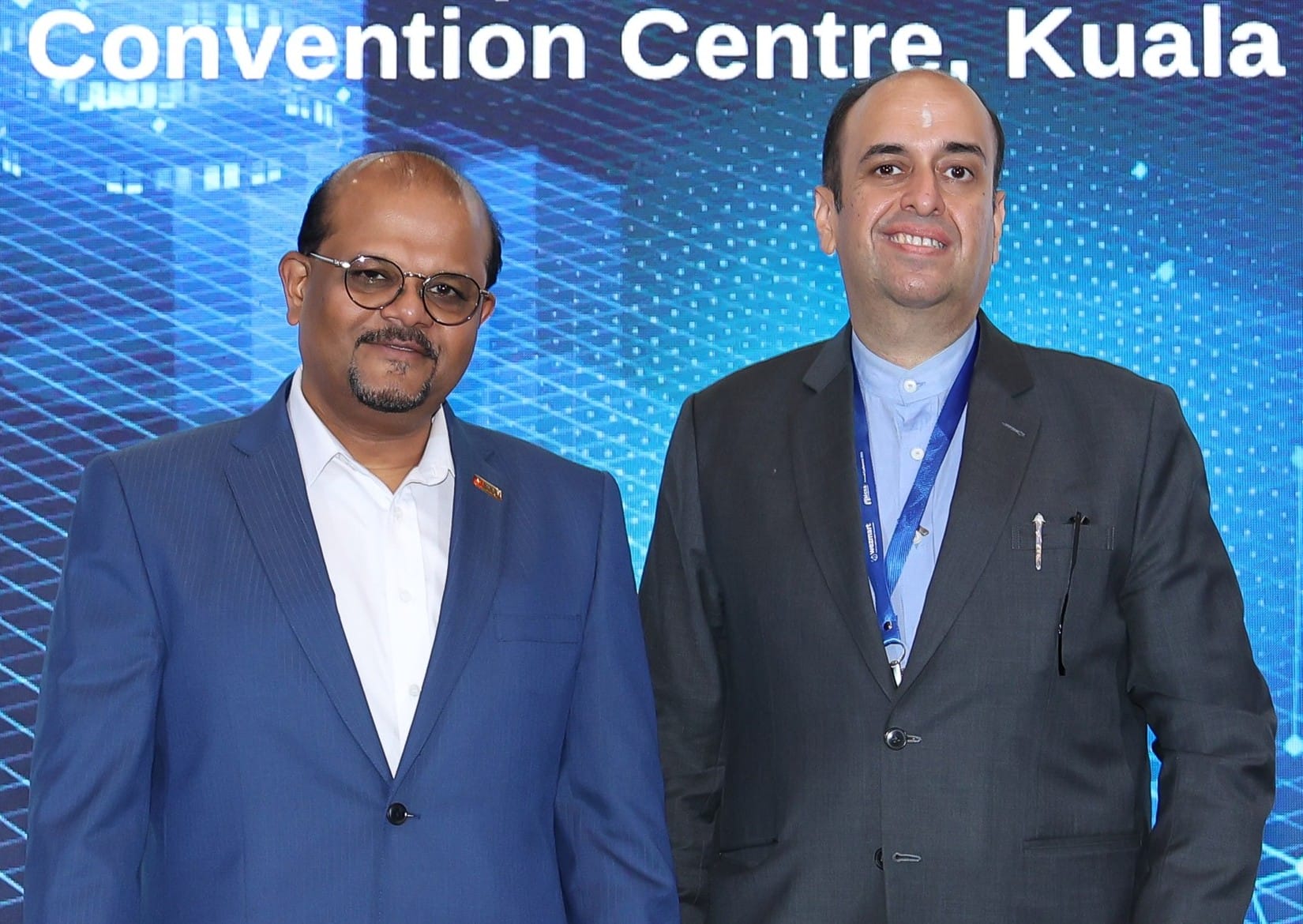
Both speakers also emphasised the importance of governance in startups, where founders often blur personal and company finances.
Ganesh warned that poor governance can derail funding efforts. “If you don’t file accounts or breach investor agreements, you won’t raise capital,” he said.
Justin added that good governance should be seen as a growth enabler. “When compliance is done well, it opens doors — to investors, to partnerships, to global markets,” he said.
Ganesh urged company secretaries to embrace automation for filings and documentation while pivoting to higher-value advisory such as fundraising and digital adoption. He explained that new revenue models could emerge from helping clients secure financing or adopt digital solutions.
“The real opportunity is to climb the value chain. If you don’t, technology will simply bypass you,” he said.
Justin concluded by urging delegates to see themselves as leaders in shaping Malaysia’s governance landscape.
“By ensuring access to the right resources and information, and by offering guidance, the Company Secretary (or Governance Professional) facilitates effective processes and communicates sound governance policies and structures, making their role central to organisational success,” he said.
“Our challenge is not just to keep pace with change but to lead it. By combining technological literacy with governance expertise, company secretaries can elevate themselves — and the companies they serve — to thrive in the digital economy,” added Justin.
Under Justin’s leadership, MAICSA has sought to position governance professionals at the heart of Malaysia’s corporate transformation, ensuring they remain vital to the nation’s competitiveness as the digital economy deepens.


