



When a toddler doesn’t point, babble, or call for “mummy”, most parents tell themselves to wait — that every child develops at their own pace. But for a growing number of Malaysian families, waiting has turned into worry. Therapy options are limited, waiting lists stretch for months, and sessions costing RM200–300 an hour make consistent care impossible for many.
Determined to change that, Charlene Samuel, founder of the Autism Behavioural Centre (ABC), has launched her newest initiative: Speech Academy — a bold effort to make high-quality early therapy affordable and accessible to all.
The Myths and Modern Pressures Behind Speech Delays
Speech delays are often misunderstood, with many parents believing that boys just talk later, or that only children are slow to learn because they have no peers to copy. Charlene Samuel gently but firmly challenges these assumptions. “By 18 months, children should already have eight to ten words and be able to follow simple instructions,” she says.
Yet too many families wait and hope their child will “catch up,” missing the crucial early years when the brain is most adaptable. Early support, she stresses, doesn’t require a diagnosis — it simply gives a child the best chance to thrive.
Modern life, however, has added new challenges. The pandemic and rising screen time have reshaped early development, creating what Samuel calls a “COVID cohort” — children who spent their first years behind masks and indoors.
“It’s now more common to find a child with a speech delay than one who meets milestones on time,” she notes. Masked faces, limited socialisation and hours on screens have hindered how children learn to communicate. “We’re seeing more children who can sing songs or recite the alphabet, but can’t use words to connect,” she adds.
From Premium Care to Accessible Change
After more than a decade leading ABC, one of Malaysia’s top intervention centres, Samuel has seen both sides of the system — quality care and crushing inaccessibility.
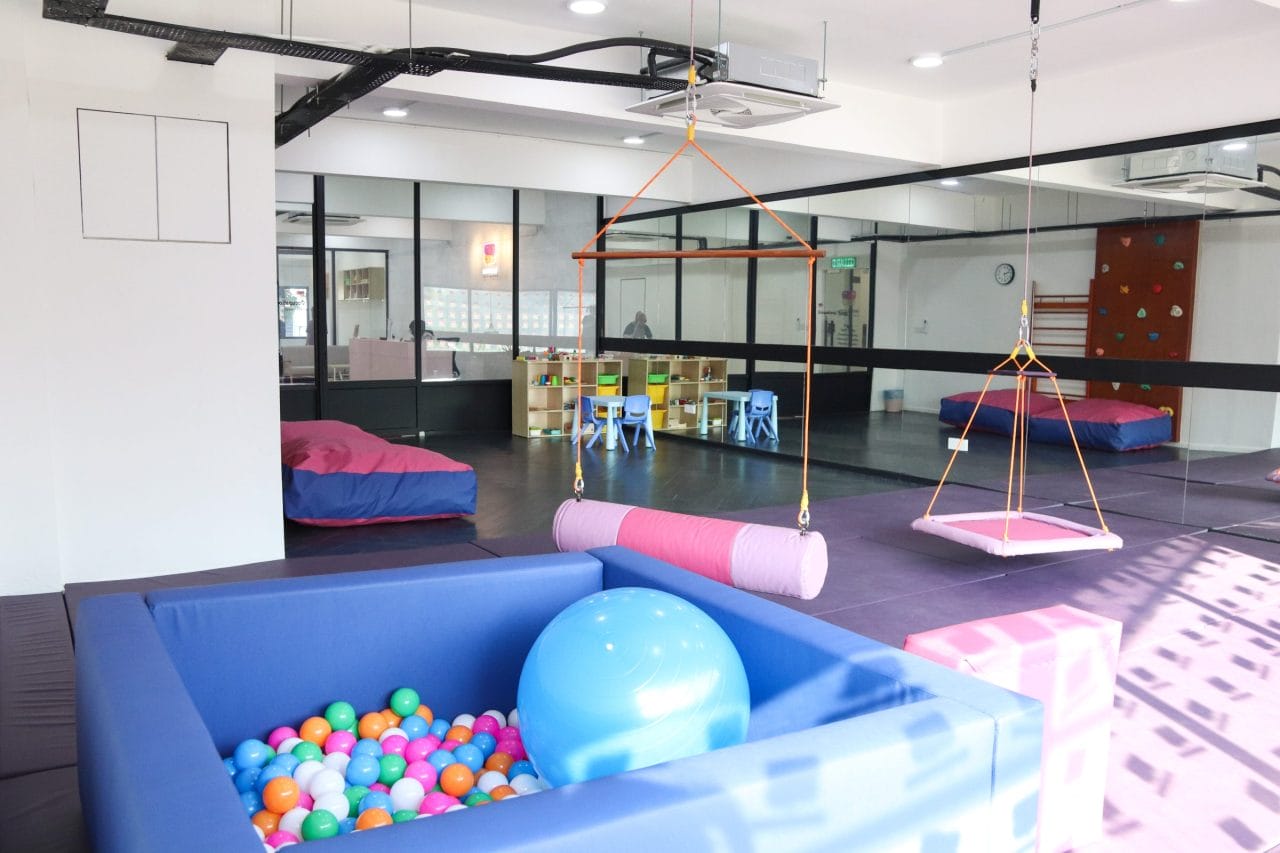
Her new venture, Speech Academy, launched in Desa Sri Hartamas in August, bridges that divide by offering speech therapy, occupational therapy, diagnostic evaluations and autism screenings at nearly half the market rate. “Our goal is to provide the same quality, but make it accessible to more families,” she says.
What Sets It Apart
Speech Academy’s strength lies not only in its affordability but in its foundation. Backed by years of experience, its multidisciplinary team combines speech and occupational therapy with behavioural expertise developed through ABC’s work in applied behaviour analysis (ABA).
“We know what children need,” says Charlene Samuel. “Many centres offer similar services, but not all have the behavioural insight to manage children effectively.”
The result is a collaborative, evidence-based model that supports children’s speech, behavioural, sensory and school-readiness needs — making therapy both accessible and effective.
More Than Therapy
For Samuel, Speech Academy is about more than lowering costs — it’s about changing how families perceive therapy itself. “We want to normalise access to care,” she says. “Intervention isn’t about labelling a child — it’s like giving them a float while learning to swim.”
Early support, she explains, helps children build confidence and skills that stay with them for life. Success, for her team, is measured not in profit but in progress: a child saying “mummy” for the first time, or walking confidently into school after months of guided effort.
To make that support easier to access, Speech Academy offers autism screenings for children aged 16 to 30 months, as well as consultations to help parents understand the next steps. Bookings can be made online or via WhatsApp, giving families quick access to guidance even before stepping into the clinic.
Yet accessibility is only part of the challenge — changing mindsets is another. “There’s still stigma in seeking help,” Samuel says. “Many parents fear being judged or labelled.” Often, mothers sense something is different early on, but their concerns are dismissed by relatives.
“Grandparents will say, ‘He’ll talk when he’s ready,’ or ‘Don’t worry, his father was the same.’ But that reassurance delays action,” she explains. “By the time families reach us, some have already gone through denial and grief. We end up counselling parents as much as we do children.”
Looking Forward
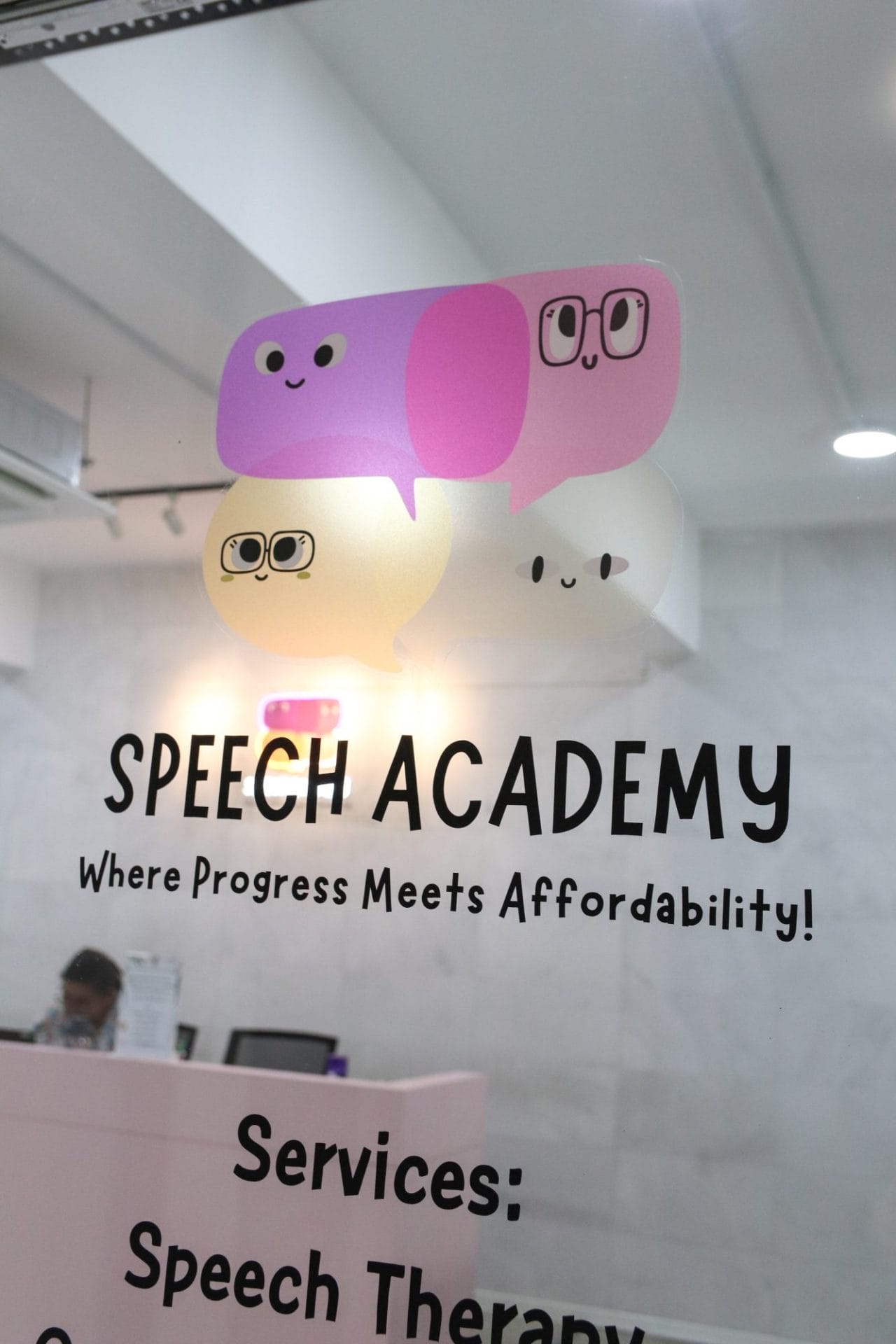
Only months into its launch, Speech Academy is already planning to expand nationwide. The goal: 100 clinics within the next decade. “We want every family, wherever they are in Malaysia, to have access to quality care,” Charlene says. “For us, it’s not just about therapy — it’s about giving children a fair start in life.”
A Call to Normalise Care
Charlene’s message to parents and communities is simple: therapy shouldn’t be seen as a last resort. “Think of it like swimming lessons,” she says. “You’re not taking anything away from your child — you’re giving them something to hold on to, something that helps them stay afloat.” Early intervention, she adds, is not a sign of weakness or failure, but love in action. “The earlier you start, the greater the progress. Every child deserves that chance.”


