The Ministry of Human Resources (KESUMA) and Talent Corporation Malaysia Berhad (TalentCorp) are stepping up efforts to strengthen Malaysia’s talent ecosystem, placing people at the centre of workforce policy as the country moves into Belanjawan 2026 under the MADANI Economic Framework.
The focus remains clear: build skills, improve employability and support long-term career sustainability to drive inclusive growth.
Speaking during his first official visit to TalentCorp at Surian Tower, Human Resources Minister YB Dato’ Sri Ramanan Ramakrishnan said nearly half of Malaysia’s workforce is employed by micro, small and medium enterprises (MSMEs), many of which struggle to offer structured training and clear career pathways. Addressing these gaps, he said, is key to building a more resilient labour market.
“KESUMA’s approach begins with people. When Malaysians are supported to enter the workforce, equipped with relevant skills and enabled to remain productive, businesses will grow, and the economy will be stronger,” he said.
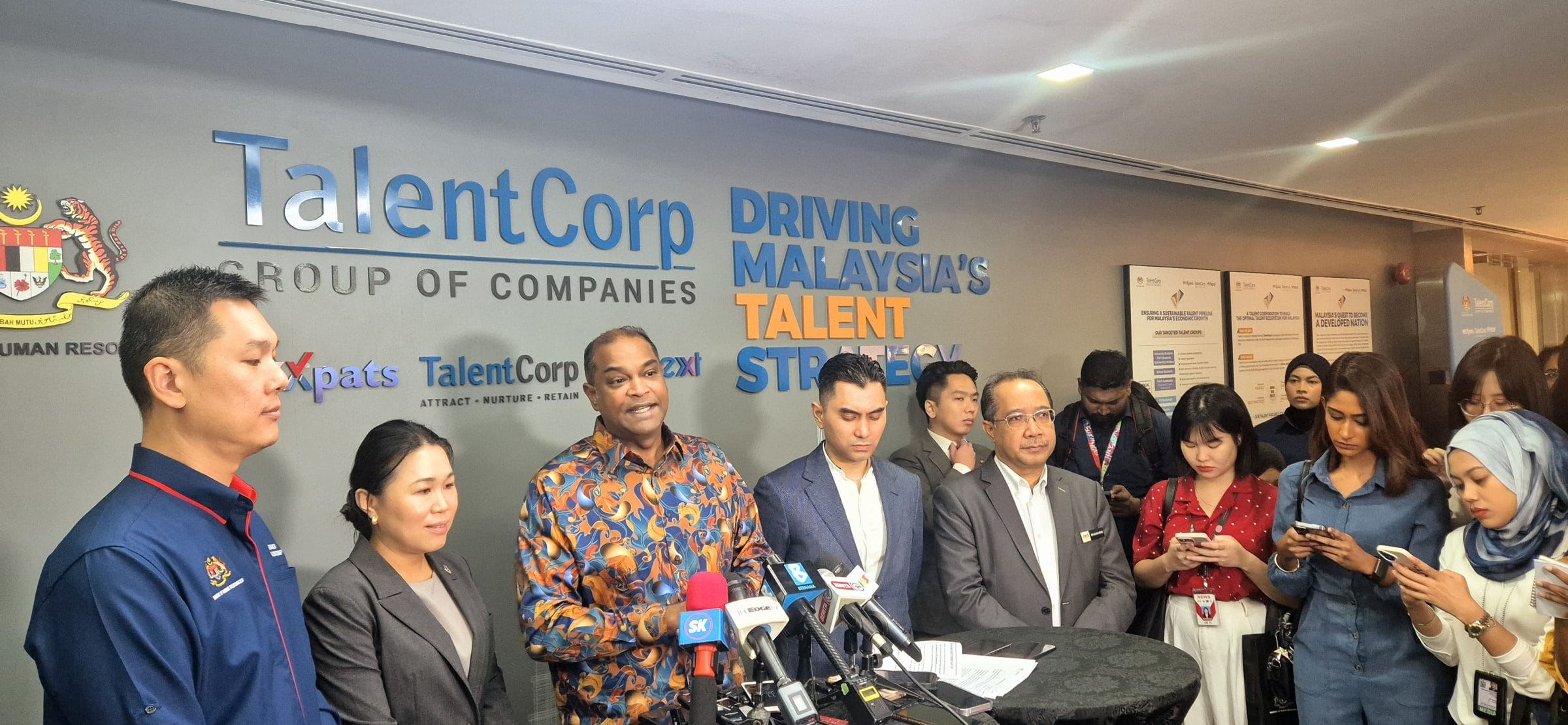
The visit forms part of the ministry’s wider engagement with its agencies to ensure policies translate into practical outcomes.
As KESUMA’s strategic think tank, TalentCorp plays a central role in shaping a national talent ecosystem that supports Malaysians across different stages of life and work.
This includes students, graduates, professionals, women returning to work, veterans, the diaspora, and highly skilled local and international talent, as Malaysia positions itself as a competitive regional talent hub.
At the heart of this effort is MyMahir, TalentCorp’s national platform that links skills intelligence, training pathways and employment outcomes. It connects policy direction with industry demand, helping ensure Malaysians are trained in skills that are relevant today and resilient for the future.
Industry input is channelled through the MyMahir Future Skills Talent Council (FSTC), where employers identify current and emerging skills needs.
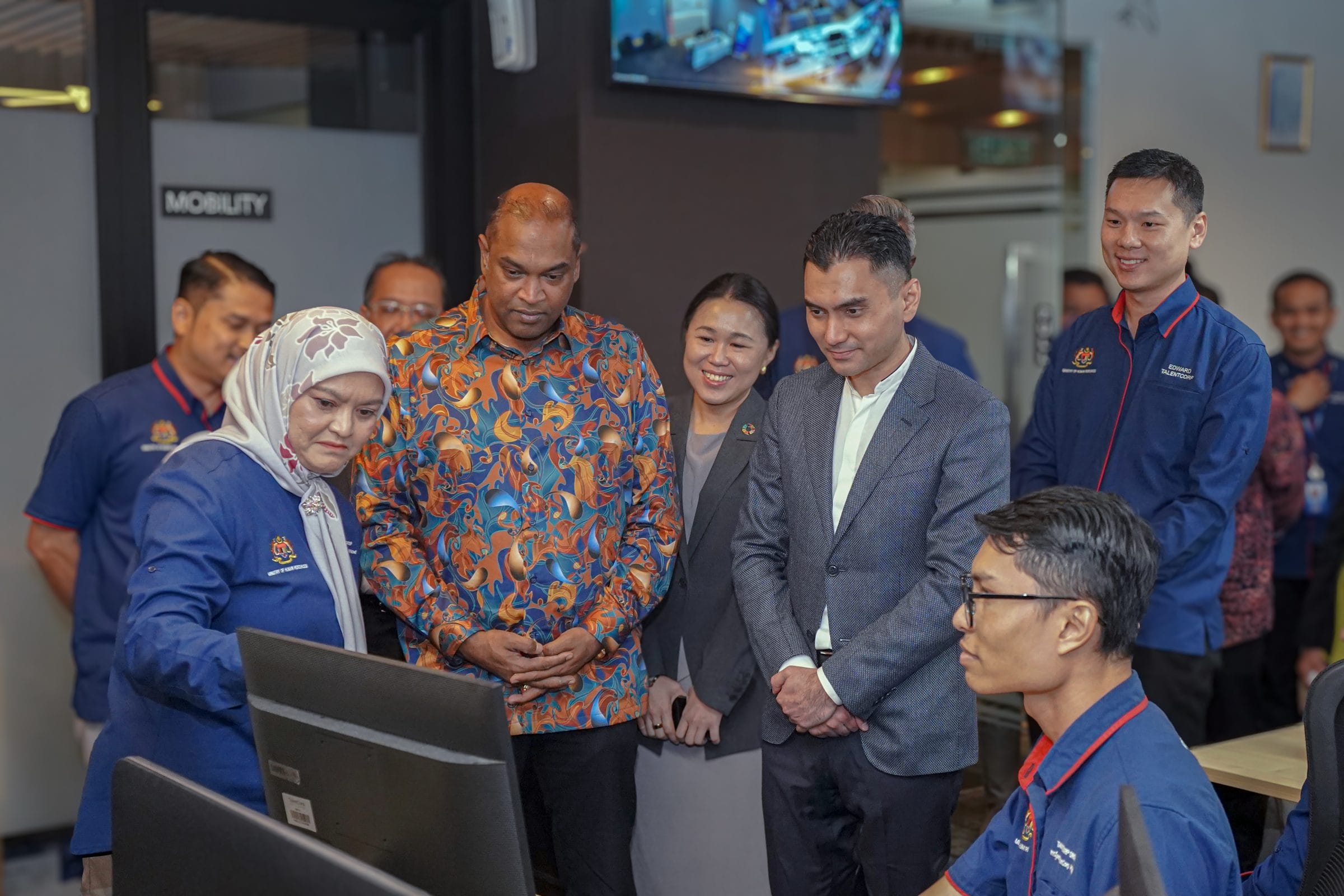
By putting industry at the centre of skills planning, the council aims to reduce mismatches between training and jobs, improve entry-level wage outcomes and ensure training investments lead directly to employment. The approach has been recognised by the International Labour Organisation as a good practice.
To turn skills into jobs, TalentCorp continues to strengthen entry pathways, particularly for students, graduates and MSMEs. The SME Industrial Training Matching Grant (LiKES) has been enhanced, with approval timelines cut to 14 working days and an upfront RM2,000 payment per trainee.
The changes are intended to give employers greater certainty while expanding access to quality industrial training for young Malaysians.
MSMEs are also eligible for an additional 50% tax deduction on training expenditure in artificial intelligence and cyber security under the MyMahir–National AI Council for Industry initiative announced in Belanjawan 2026. Beyond workforce entry, KESUMA and TalentCorp are focusing on retention and participation.
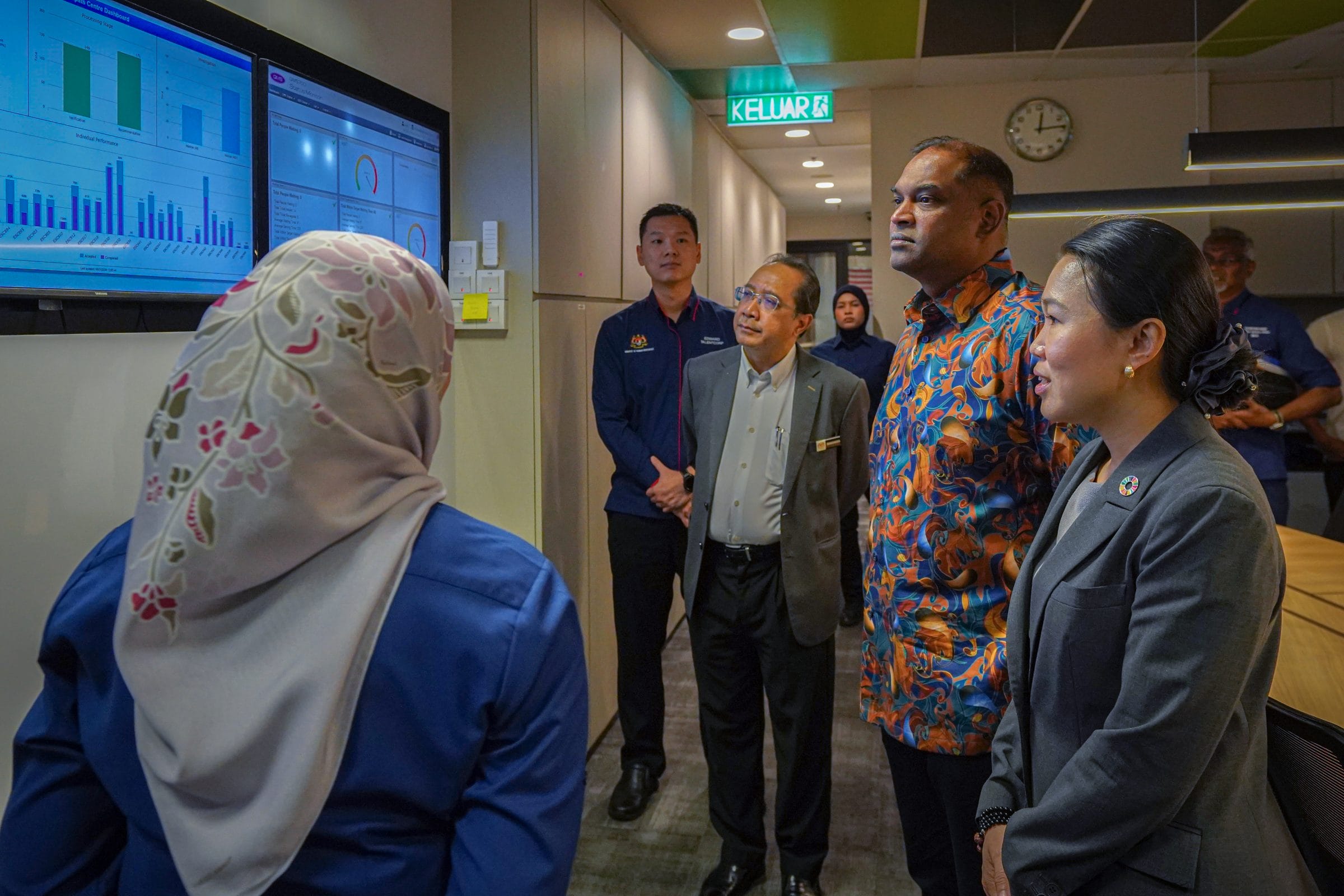
Initiatives include Wanita MyWira to support women returning to work, the promotion of flexible work arrangements, and the Veteran MyWira programme, which places former members of the Malaysian Armed Forces into civilian roles.
Findings from studies on flexible work practices in the Klang Valley, Johor Bahru and Penang are expected to be released soon.
Malaysia is also continuing to attract global talent where skills gaps remain. Enhancements to the Xpats Gateway platform have contributed to Malaysia rising 11 places to 23rd in the IMD World Competitiveness Ranking 2025.
New pathways have also been opened for skilled international chefs and managers in premium culinary establishments to support skills transfer and tourism.
KESUMA has called on employers and industry partners to play a more active role in developing local talent, positioning human capital as a key driver of economic growth as the country moves into 2026.