


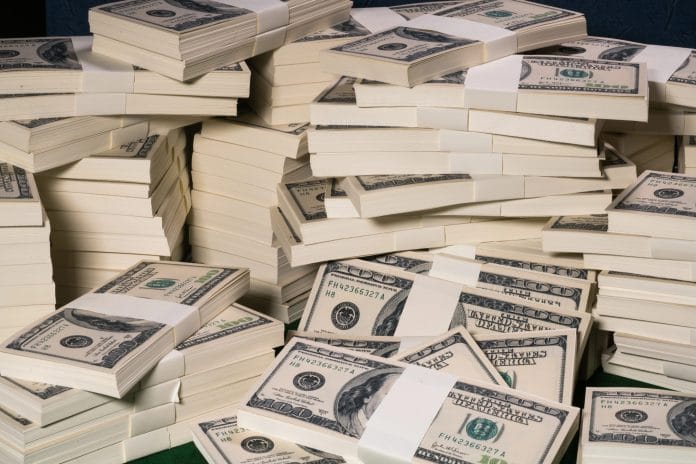
Oxfam said billionaire wealth jumped more than 16% in 2025 to a record US$18.3 trillion, growing three times faster than the past five year average, as the world’s richest consolidate economic and political power while poverty and hunger remain widespread.
The findings were published in Oxfam’s latest report, Resisting the Rule of the Rich: Protecting Freedom from Billionaire Power, released as the World Economic Forum opened in Davos.
The report showed billionaire wealth has surged 81% since 2020, even as one in four people globally face food insecurity and nearly half the world’s population live in poverty.
Oxfam said the collective wealth of billionaires rose by US$2.5 trillion last year, almost equivalent to the total wealth held by the bottom half of humanity, or 4.1 billion people.
The number of billionaires exceeded 3,000 for the first time, while Elon Musk became the first individual to surpass US$500 billion in wealth.
The report also found that billionaires are 4,000 times more likely to hold political office than ordinary citizens, highlighting what Oxfam described as a dangerous concentration of power that threatens democratic systems worldwide.
“The widening gap between the rich and the rest is at the same time creating a political deficit that is highly dangerous and unsustainable,” said Oxfam International Executive Director Amitabh Behar.
According to Oxfam, the surge in billionaire wealth has coincided with pro-elite policy choices, including tax cuts for the super rich, weakened efforts to tax multinational corporations, and limited action against monopoly power.
These trends, the organisation said, have accelerated the rise of oligarchic influence beyond the US and into countries across the world.
Oxfam estimated that the US$2.5 trillion increase in billionaire wealth would be enough to eradicate extreme poverty 26 times over.
Yet poverty reduction has stalled globally, with extreme poverty rising again in Africa, while cuts to aid budgets could lead to more than 14 million additional deaths by 2030.
The report also raised concerns about shrinking civil liberties, noting that 2024 marked the nineteenth consecutive year of global decline in political rights and freedoms.
Last year alone, more than 142 significant anti government protests took place across 68 countries, often met with violent responses by authorities.
“Being economically poor creates hunger. Being politically poor creates anger,” Behar said.
Oxfam warned that billionaire control over traditional and social media is further distorting public discourse, with the super rich owning more than half of the world’s largest media companies and all major social media platforms.
The organisation cited evidence linking increased hate speech and the marginalisation of minority voices to concentrated media ownership.
In response, Oxfam called on governments to implement time bound national inequality reduction plans, impose more effective taxes on extreme wealth, strengthen safeguards between money and politics, and protect civil liberties and the role of civil society.
“Our societies feel more toxic today because they demonstrably are,” Behar said.
Behar added, “Governments should be listening to the needs of the people on issues like healthcare, climate action and tax fairness, not bending to the interests of the ultra rich.”


