



What do a cowboy in the American West, a Tang Dynasty warrior, and a Hindu sun god have in common? Horses. Across cultures, these animals symbolise power, freedom, and much more.
Horses in History and Culture
From ancient civilisations to nomadic societies, horses shaped the way people lived. In Egypt, they were symbols of royal power. Pharaohs rode into battle and were even buried with horse figurines to show status and divine authority.
In Greece, horses were both practical and legendary: cavalry units fought wars while stories of Pegasus and centaurs filled art and myth. Rome built on this, breeding strong horses and putting on chariot races and parades that displayed wealth and control.
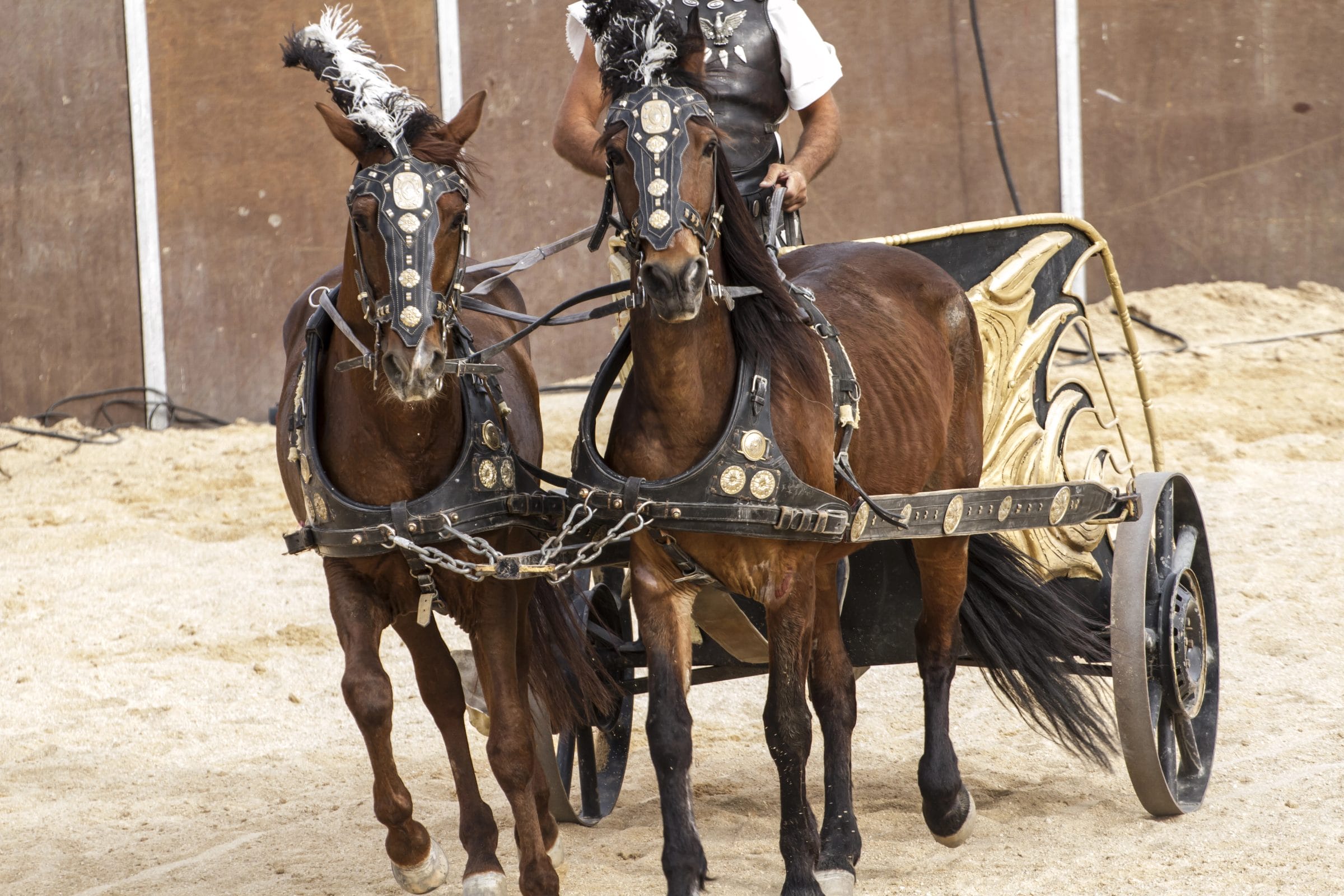
Nomadic cultures depended on horses for survival. Mongol warriors rotated multiple horses to travel huge distances fast. Plains Native Americans transformed hunting and mobility after acquiring Spanish horses.
Bedouins developed deep bonds with Arabian horses, valuing endurance, intelligence, and loyalty. In all these societies, horses were more than animals—they were partners, symbols, and sometimes even family.
Spiritual and Religious Roles
Horses show up in religions around the world. In Hinduism, they’re linked to solar gods and divine energy. In Islam, al-Buraq, the Prophet’s steed, represents loyalty and spiritual strength. Samurai in Japan relied on horses for courage and battlefield skill.
Celtic traditions, through the goddess Epona, connected horses to fertility, protection, and prosperity. In every culture, horses were not just companions—they represented ideals and power.
Shamanic Traditions
In shamanic cultures across Central Asia, Siberia, and parts of the Americas, horses are spiritual guides. Shamans describe them as carrying people between the physical world and the spiritual realm. Flying or winged horses symbolise freedom and higher consciousness. Many shamans see their dream horses as protectors and allies in healing rituals.
East Asia and India: Ambition and Energy
In China, horses are closely associated with progress and success. Dreaming of a galloping horse is traditionally seen as a sign that opportunities are approaching or that hard work is about to pay off.
Horses appear frequently in art, literature, and language. For example, the phrase “马到成功” translates as “instant success upon arrival,” highlighting their symbolic power.
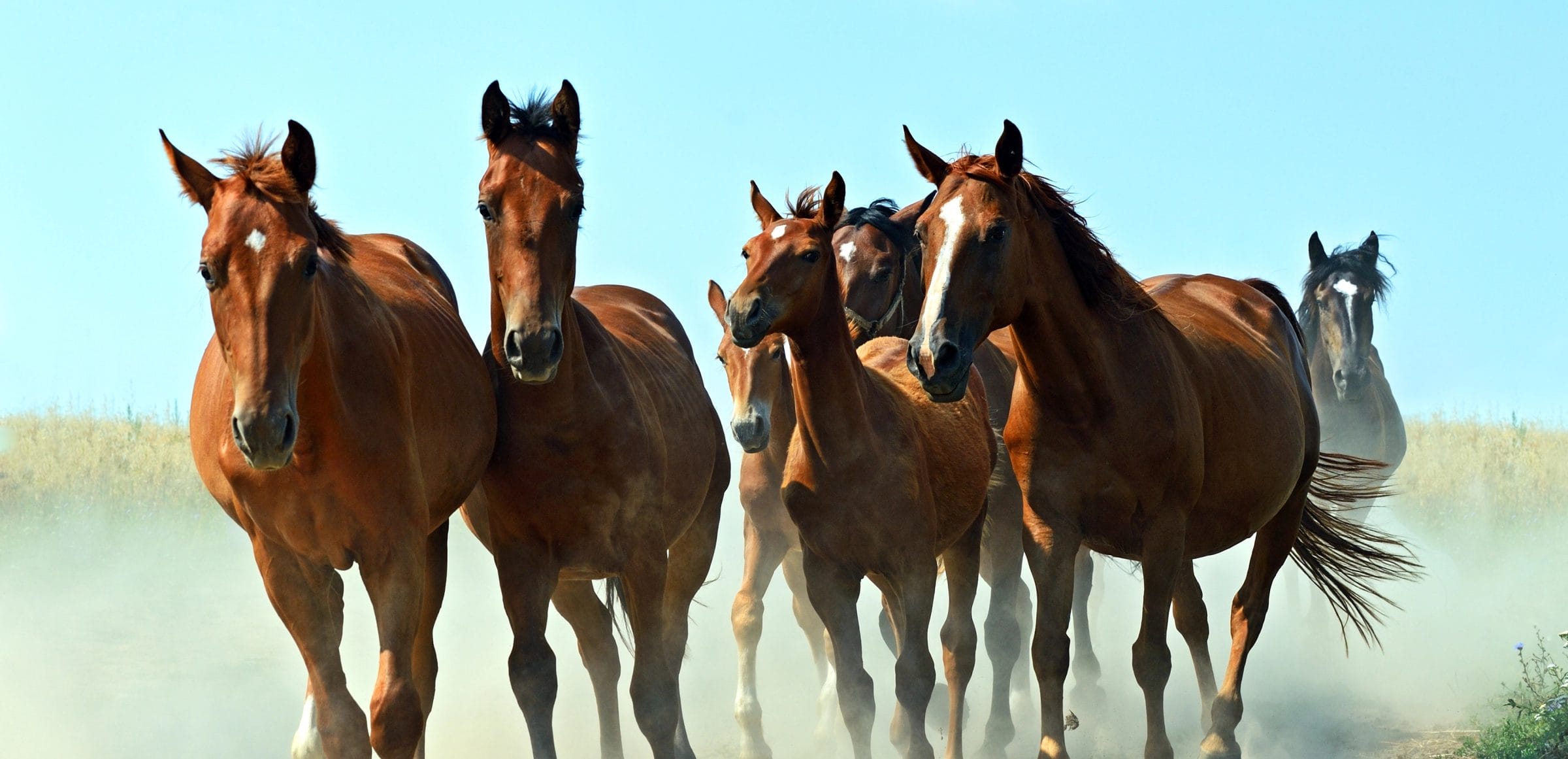
In Japan, horses were considered sacred and were seen as messengers of the gods, or kami. Dreams featuring horses often signal guidance or a need to pay attention to spiritual matters.
In India, horses hold cosmic significance. Hindu myths link them to vital energy and divine power. The sun god Surya rides a chariot pulled by horses, keeping the universe in motion, while mythical steeds like Ucchaisravas embody divine authority. Ancient rituals, such as the Ashvamedha, also connected horses to kingship and cosmic order.
Western Culture: Freedom and Myth
In Europe, horses symbolised strength, courage, and status. Knights relied on warhorses for battle, treating them as partners that embodied skill and honour.
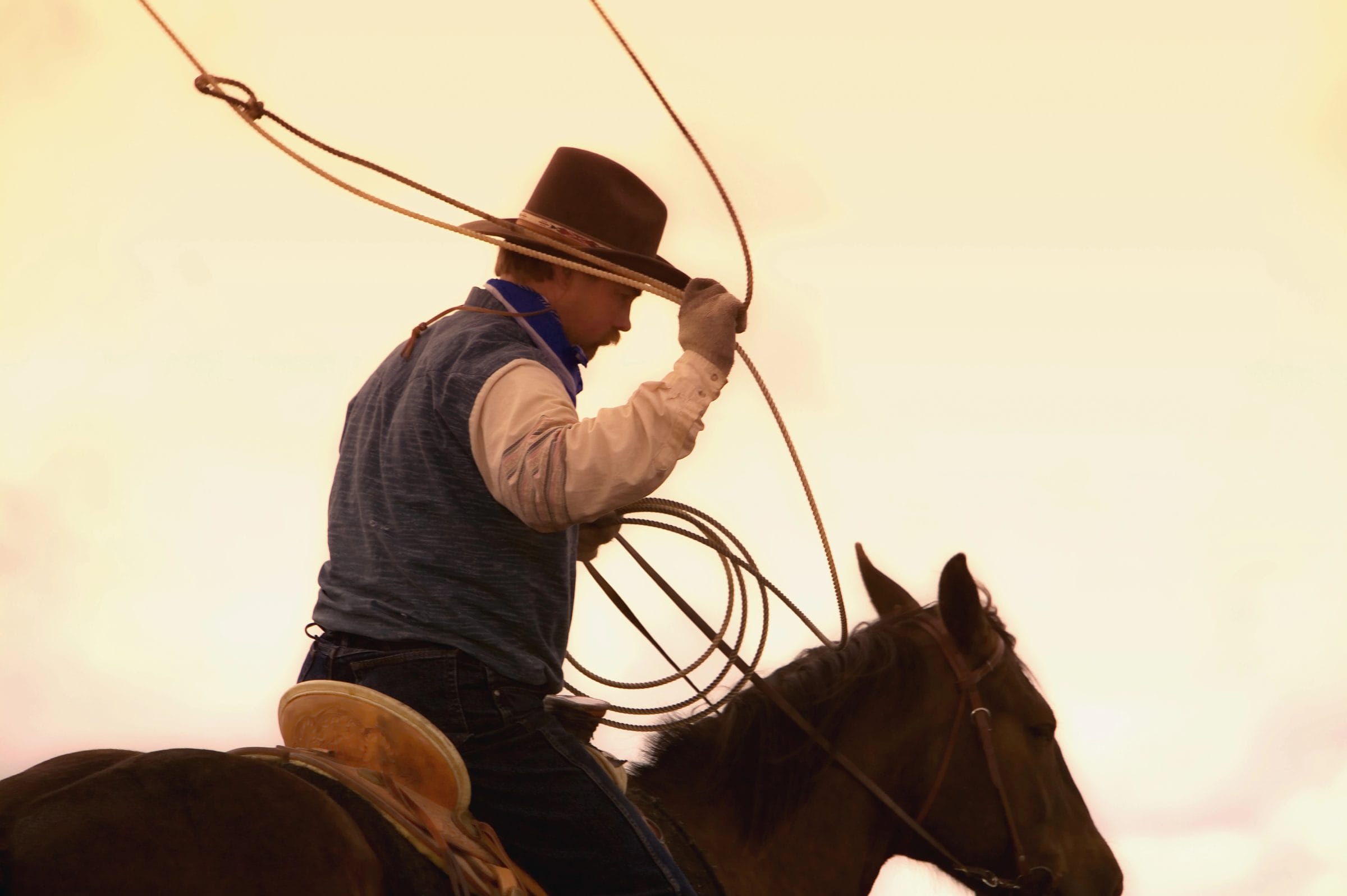
In the American West, horses became icons of freedom. Cowboys riding across the plains symbolised independence and adventure. Mustangs, fast and untamed, captured the imagination as symbols of mobility and the open frontier.
Horses also appear in Western myths. Pegasus, the winged horse, represents inspiration, while Odin’s eight-legged Sleipnir moves between worlds, showing how horses can bridge the ordinary and the extraordinary.
Horses still represent strength, freedom, and companionship today. They feature in sports like the Olympics and the Kentucky Derby. They also play a role in therapy for disabilities, trauma, and mental health, where their calm presence and intelligence make them partners in healing.


