


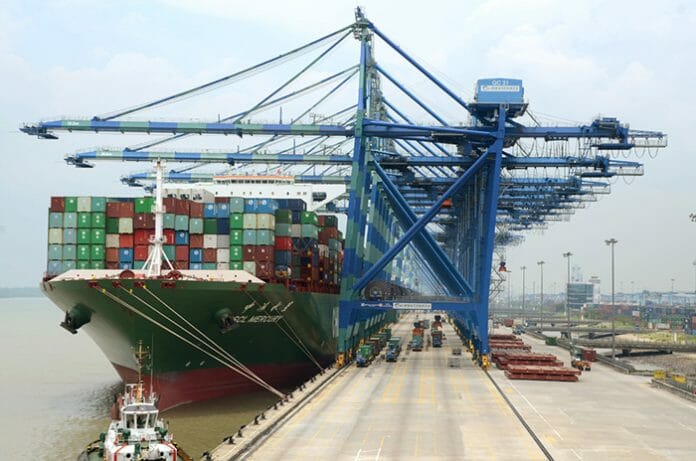
Malaysia’s trade engine remained resilient in February 2026, recording a trade surplus of RM16.7 billion, fueled by a double-digit expansion in exports. However, new data from CGS International suggests that the escalating conflict in the Middle East is creating a complex “tug-of-war” for the nation’s economy, impacting everything from fuel subsidies to AI-driven tech shipments.
Exports grew by 10.8% year-on-year (YoY) in February, supported largely by the manufacturing sector. Electrical and Electronics (E&E) products continue to lead the charge, riding the global wave of AI-related demand.
While the export figure came in slightly below consensus, analysts see a “mixed bag” of consequences from the Middle East crisis:
- The Energy Upside: With disruptions at the Strait of Hormuz, global buyers are seeking alternatives. Malaysia is poised to benefit from increased demand for its Crude Oil and LNG exports.
- The Production Downside: Conversely, the spike in oil prices (now breaching US$100 per barrel) is driving up logistics and input costs for Malaysian manufacturers, potentially squeezing margins.
Headline inflation actually moderated to 1.4% in February (down from 1.6% in January), driven by lower housing, utility, and food costs. However, this “calm” may be short-lived.
CGS International warned that every US$10 increase in average oil prices could add approximately +7 basis points to Malaysia’s annual Consumer Price Index (CPI).
The most critical pressure point for the Malaysian government is the fiscal burden of fuel subsidies. With oil prices soaring, the current subsidy program is under immense strain. Analysts suggest the government may face three potential paths:
- Retail Price Hikes: Directly increasing fuel prices, which would cause a significant spike in the CPI.
- Subsidy Rationalisation: Reducing the existing 300-litre fuel subsidy allocation to limit the fiscal deficit while protecting low-income households.
- Absorbing Costs: Continuing to fund the gap, as mentioned in PM Anwar’s recent address, where subsidies leaped to RM3.2 billion in a single week.
Despite the volatility, CGS International is maintaining its 2026 export growth forecast at 7.9% and its CPI forecast at 1.5%. However, they signaled a readiness to revise these figures if Middle Eastern energy facilities sustain long-term damage, keeping global prices elevated throughout the year.


