Malaysia’s shipping sector is approaching a capacity crunch, with key ports already operating at full stretch and infrastructure bottlenecks threatening to cap future growth.
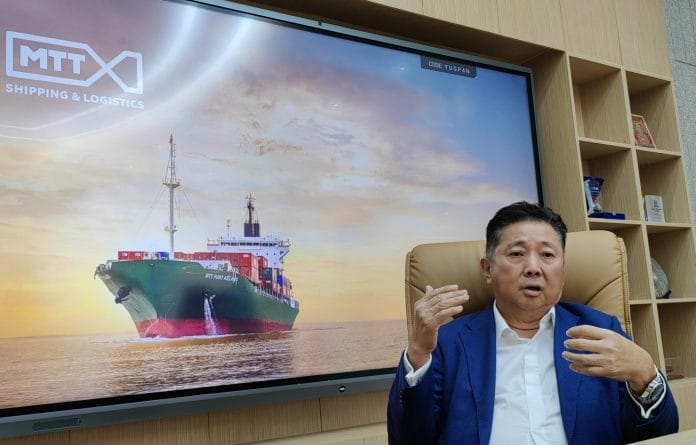
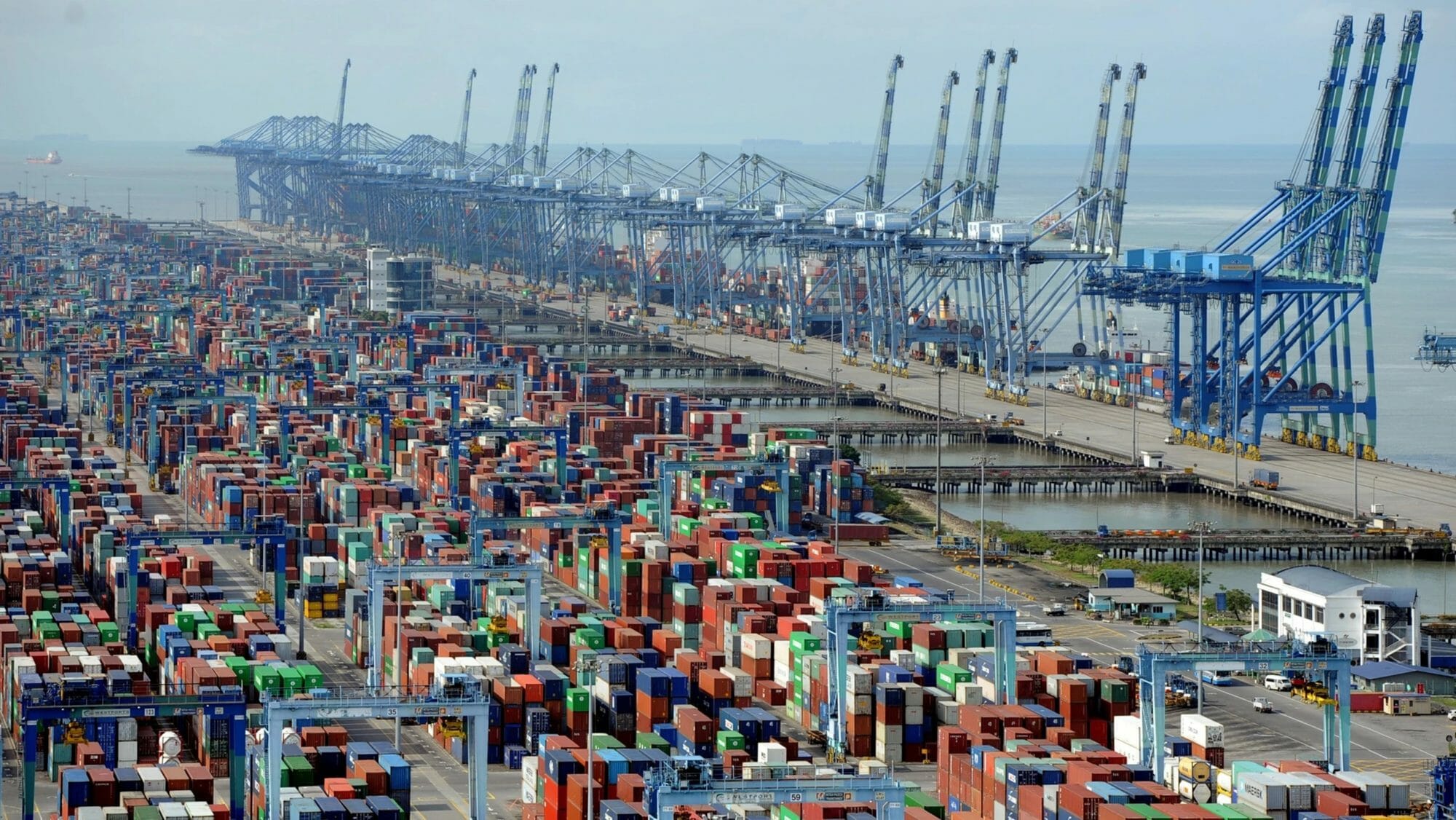
Speaking exclusively to BusinessToday, MTT Shipping and Logistics Bhd Managing Director Ooi Lean Hin said both Westports and Port of Tanjung Pelepas are effectively at capacity, with only limited room for incremental gains through yard optimisation.
“There’s some scope to squeeze out additional capacity, but there’s a ceiling,” he said, warning that demand is likely to outpace supply as regional trade accelerates.
While expansion plans, including Westports’ Phase 2 and potential developments in Carey Island, offer longer-term relief, Ooi noted that meaningful capacity additions will take time, with initial upgrades only expected to come onstream towards 2028.
Furthermore, he highlighted that Malaysia’s competitive cost advantage, driven by a relatively weaker ringgit against the Singapore dollar, is likely to keep port demand elevated, particularly as shipping lines seek lower-cost alternatives in the region.
However, Ooi stressed that the more immediate pressure point lies beyond the ports themselves.
“The last mile is becoming the real bottleneck,” he said, pointing to worsening congestion, insufficient depot capacity and constraints in trucking resources as critical gaps in the logistics chain.
Nevertheless, Ooi emphasised that with Port Klang alone handling more than seven million twenty-foot equivalent units of gate cargo annually, even modest growth, fuelled by supply chain realignment and production shifts into Southeast Asia, could overwhelm existing infrastructure if upgrades are not accelerated.
“Meanwhile, traffic congestion is also driving up fuel consumption and emissions, raising both cost and environmental concerns for operators already grappling with tighter margins.
“The entire ecosystem needs to be addressed, from port capacity to road infrastructure and logistics support, otherwise you risk major disruptions,” Ooi said, urging the Transport Ministry to look into this because without parallel upgrades in landside infrastructure, the broader industry may struggle to fully capitalise on the region’s rising trade flows.