


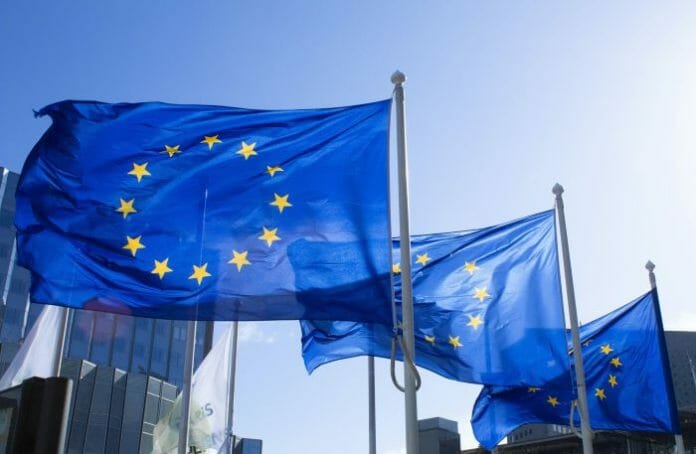
The European Commission is set to unveil a package of measures on April 22 aimed at easing energy costs, including cuts to electricity taxes and coordinated gas storage refilling across member states, as the bloc braces for spillover effects from the Iran-related energy disruption.
According to draft proposals seen by Reuters, the European Union (EU) will focus on near-term cost relief rather than aggressive market interventions, steering away, for now, from measures such as gas price caps or windfall profit taxes that were deployed during the 2022 energy crisis triggered by Russia’s supply cuts.
Instead, the plan centres on allowing governments greater flexibility to reduce electricity taxes for industries, potentially even to zero, and adjusting EU tax rules to favour electricity over fossil fuels like oil and gas.
The proposals come as the EU grapples with heightened energy market volatility following disruptions in the Middle East, where conflict has effectively closed the Strait of Hormuz, a critical global oil shipping route. Benchmark European gas prices have already climbed roughly one-third since late February.
Under the draft framework, the Commission will also coordinate member states’ efforts to refill gas storage ahead of summer demand cycles and issue guidance on managing potential jet fuel shortages, which airlines warn could emerge within weeks.
However, officials stressed the bloc is avoiding heavy-handed intervention at this stage, noting that national governments retain key levers such as subsidies and tax cuts. The approach also reflects expectations that the current shock could be prolonged, encouraging a more measured policy response.
Analysts say the impact on electricity markets may be more contained than in previous crises due to Europe’s accelerating energy transition. The EU generated around 71% of its electricity from low-carbon sources last year, up from about 60% in 2022, supported by rapid growth in renewables and nuclear capacity.
While oil markets remain vulnerable to supply disruptions, particularly if the Strait of Hormuz remains constrained, the Commission’s strategy signals a shift toward targeted fiscal relief and energy system coordination rather than emergency price controls, at least for now.


