


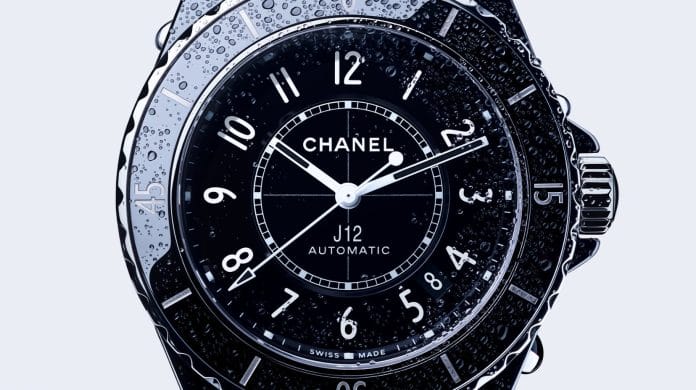
The luxury watch conversation at Watches and Wonders 2026 has been shifting towards pieces that balance design, engineering and everyday wearability — and the CHANEL J12 keeps coming up as one of the clearest examples.
At first glance, it looks minimal. But that simplicity is doing a lot of work. The J12 was designed as CHANEL’s first unisex sports watch, and it deliberately moved away from traditional watch design cues when it launched in 2000.
Instead of leaning into heritage styling, it borrowed its visual rhythm from racing yachts — clean, fast, functional lines that feel more performance-driven than decorative. The result is a watch that sits comfortably between sports watch and design object, without fully belonging to either category.
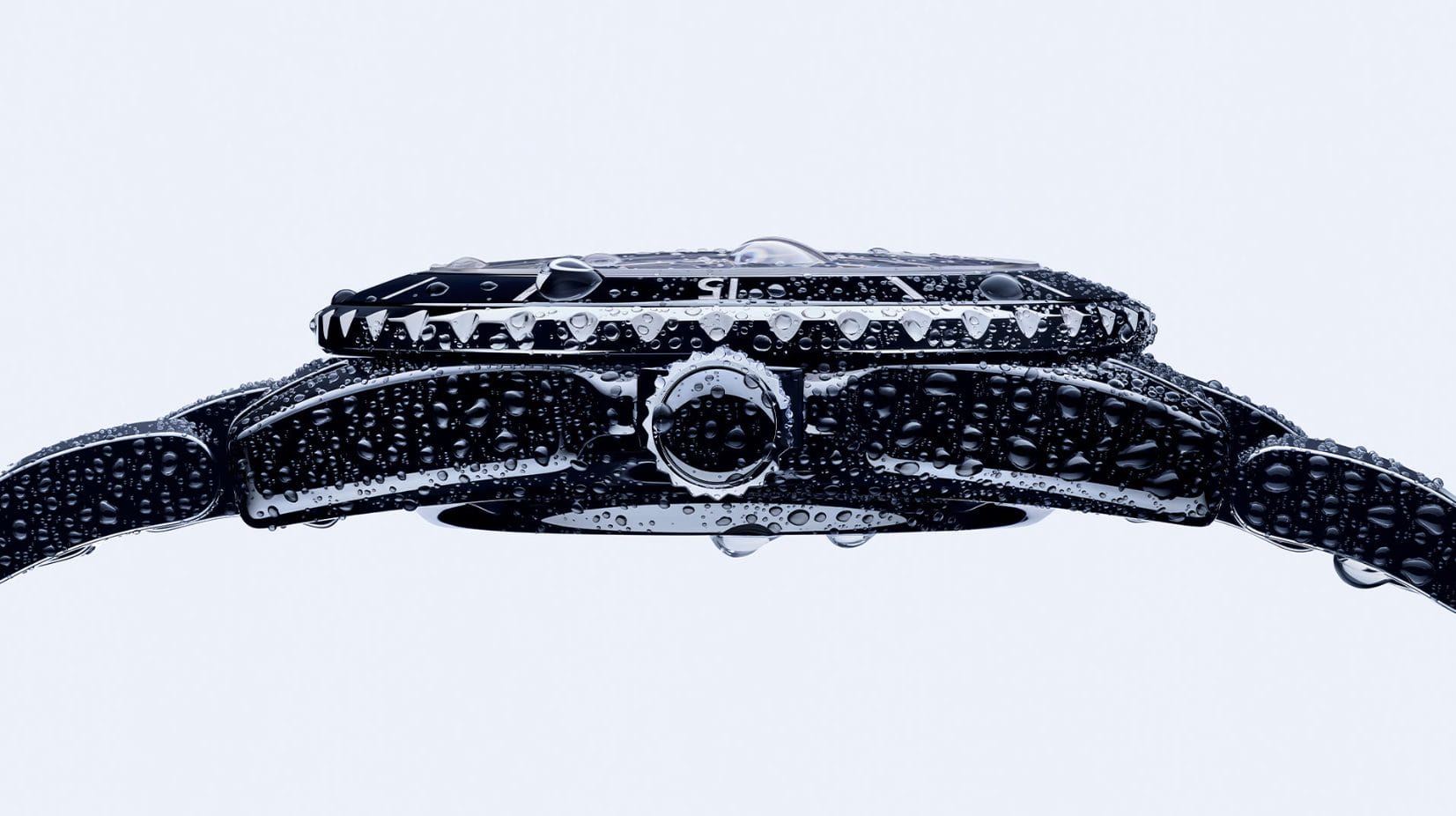
A big part of its identity comes down to material. The case and bracelet are made from high-resistance ceramic, a material that’s significantly tougher than steel against scratches and wear. In practice, though, it doesn’t feel industrial.
The finishing process, which uses diamond powder polishing, gives it a smooth, almost soft surface against the skin. That contrast of durability on paper and comfort on the wrist is one of the defining traits of the J12.
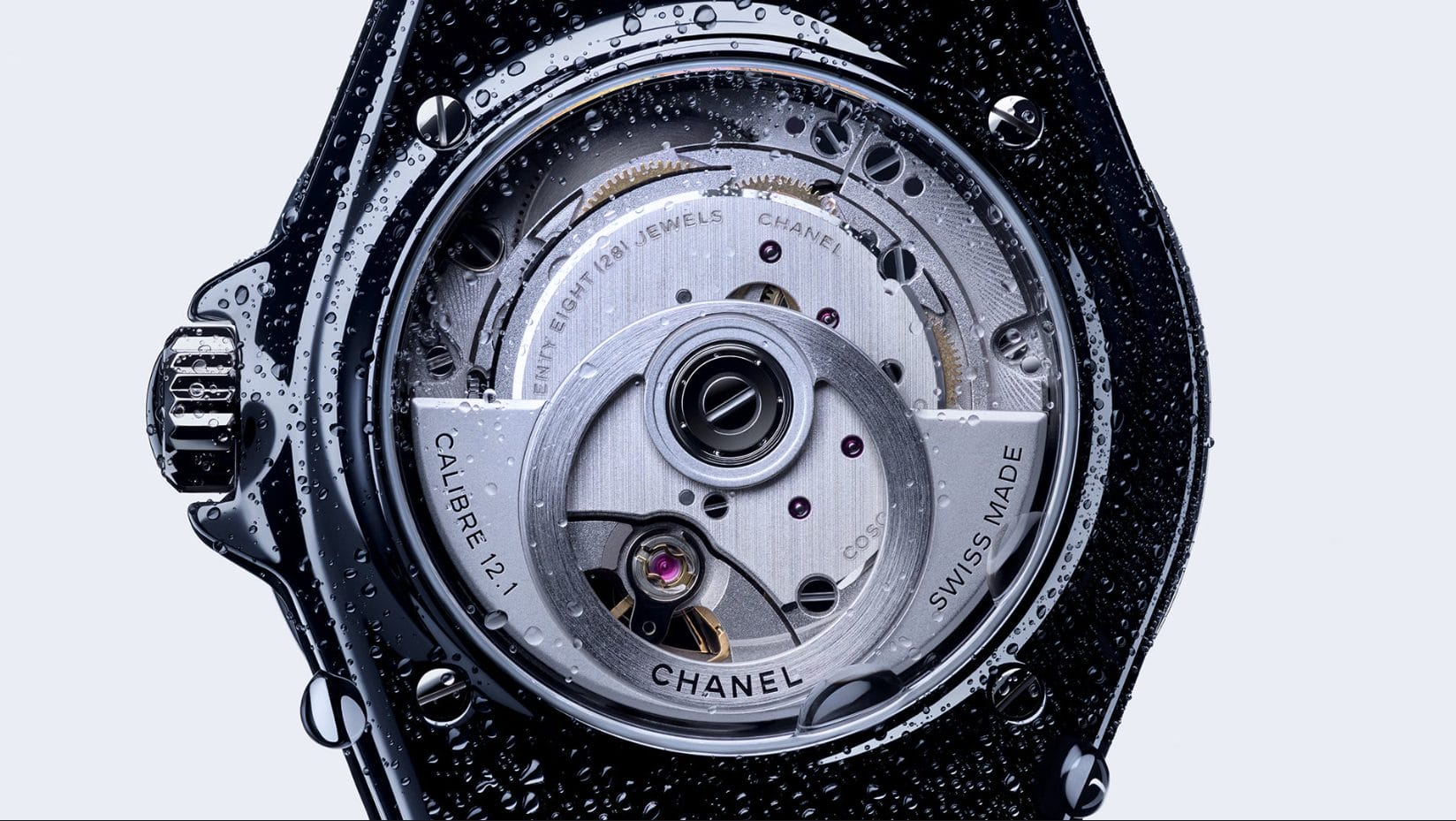
Inside, the watch is powered by the Calibre 12.1, developed with Swiss manufacturer Kenissi and certified by the Swiss Official Chronometer Testing Institute. It’s an automatic movement built for consistency and stability rather than theatrics.
Through the sapphire caseback, you can see the tungsten oscillating weight, shaped into a clean circular form that has become a subtle signature of CHANEL’s watchmaking approach. It’s the kind of detail that appeals to those who follow watches closely, especially at trade events where technical updates are a major focus.
Visually, the J12 stays disciplined. A black and white ceramic design dominates the core collection, and that restraint is intentional. The original black version stood out in 2000 precisely because it rejected the warm metals that dominated luxury watches at the time.
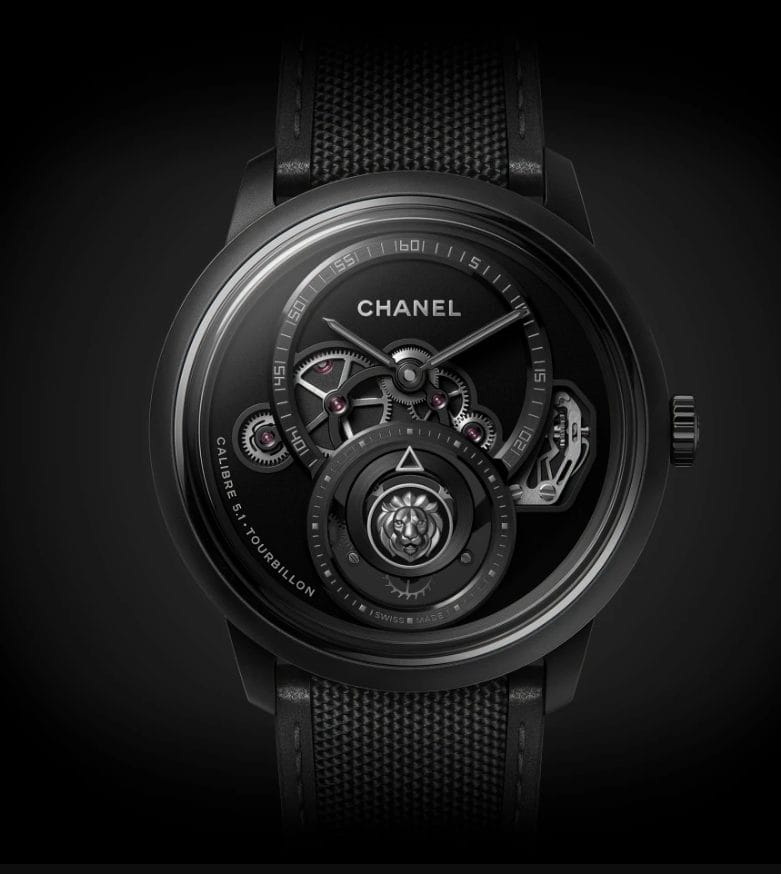
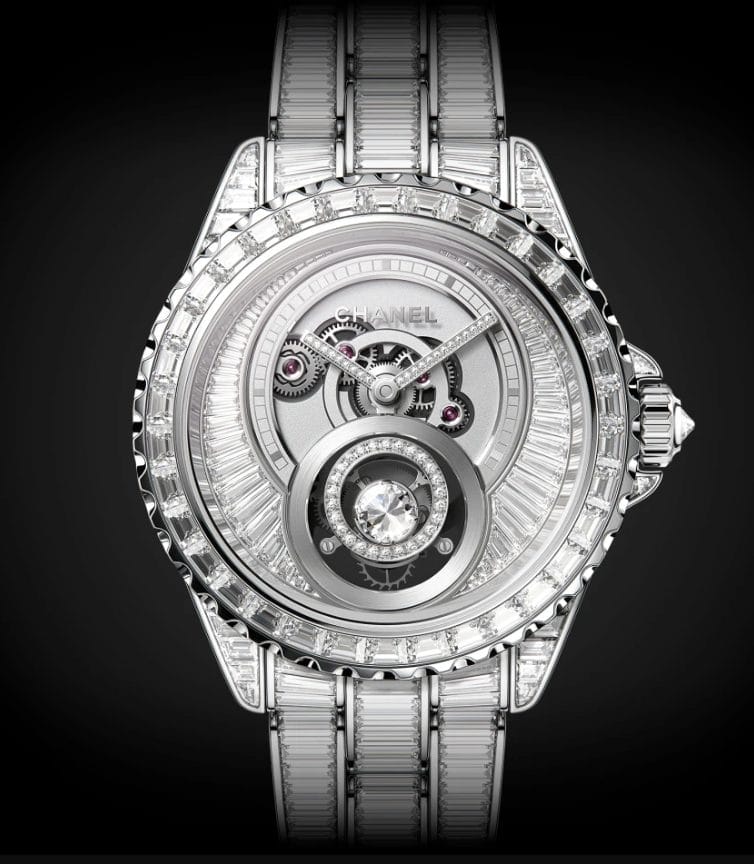
Even as the range has expanded into different finishes and limited editions, the design language remains consistent — sharp, monochrome, and instantly recognisable from a distance.
There are also smaller engineering details that matter more than they first appear. The triple-folding buckle, for example, is designed to disappear into the bracelet when worn. It locks securely, sits flat against the wrist, and can be operated one-handed.
Taken together, the J12 works because it doesn’t try to behave like a traditional luxury watch. It’s closer to a modern interpretation of what watches can be when design and engineering are treated equally.


