



Every year, Labour Day gives us a chance to pause and honour the people whose hard work keeps our communities, businesses, and essential services running. It’s a familiar public holiday—but beyond the day off, what is Labour Day really about?
What Exactly is Labour Day?
Labour Day, also known as International Workers’ Day, is observed every May 1 in Malaysia and more than 80 countries worldwide.
At its core, it’s about recognising the people who keep everything running—whether in offices, on construction sites, in hospitals, or behind the scenes. It’s not just a day off; it’s a reminder of why fair pay, safe workplaces, and reasonable working hours matter.
The day is closely linked to the labour movement’s push for better conditions, including the idea of dividing the day into eight hours of work, eight hours of rest, and eight hours of personal time. Today, it still matters just as much, as conversations around work-life balance, mental health, and evolving work styles continue to shape how we think about work and workers.
The History Behind It
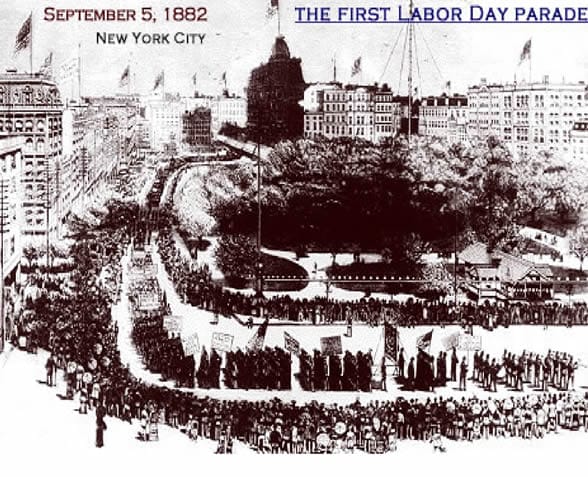
Labour Day goes back to the late 1800s, when many workers were putting in long hours under tough and unsafe conditions.
In 1884, labour groups in the United States started pushing for a simple idea: an eight-hour workday. That demand led to mass protests, including a major strike in Chicago in 1886 involving hundreds of thousands of workers. The situation turned violent during what became known as the Haymarket Affair, where clashes with police led to deaths and drew global attention.
A few years later, in 1889, labour groups marked 1 May as a day to continue pushing for workers’ rights, and by 1890 it was being observed internationally. The movement spread across countries, and over time, Labour Day became a way to recognise the progress made—from securing the eight-hour workday to improving wages, safety, and basic rights at work.
When It Doesn’t Take Place In May
While most countries celebrate Labour Day on May 1, not everyone sticks to that date. Places like Canada mark it on the first Monday of September, tied to early labour parades and union activity in the 1800s. In Australia, it depends on the state, so the date can fall in different months.
New Zealand observes it on the fourth Monday of October, while Japan has a similar holiday called Labour Thanksgiving Day on 23 November. The dates may differ, but the idea is the same everywhere: recognising the role workers play and the progress made in improving working conditions.
The Unique Ways Its Celebrated
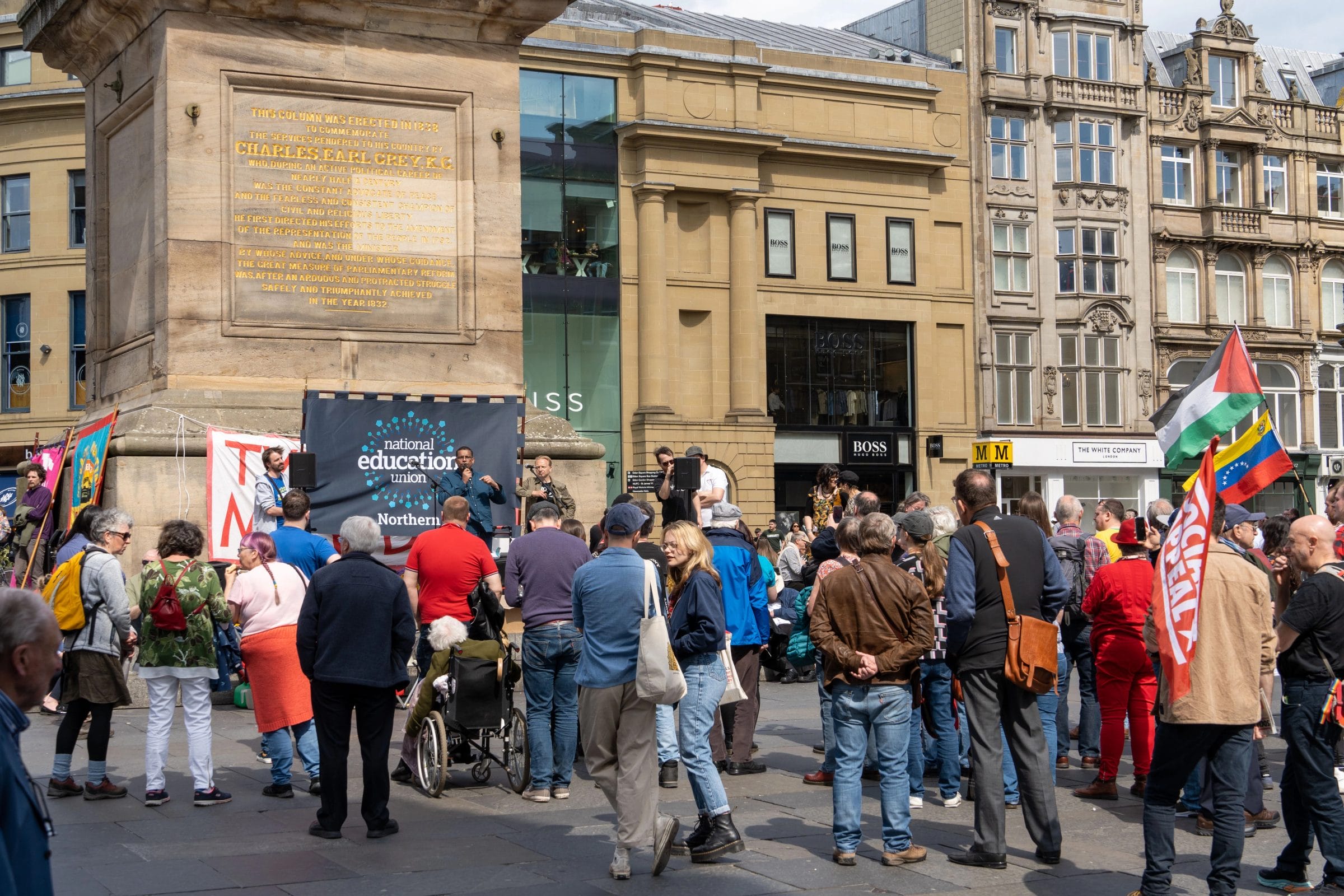
Labour Day is observed differently around the world, but the focus is usually the same—recognising workers and what they contribute. In Malaysia, it’s typically a public holiday where you can take the day to rest, spend time with family, or attend official events where leaders highlight the importance of workers to the country’s development.
Some union groups may also organise talks or small gatherings to discuss workplace issues, but for most people it’s simply a day off to recharge. In other countries, the approach can look quite different.
For example, the United States often treats it as a long weekend with barbecues and family activities, while places like Germany and France combine public rallies with cultural events and street celebrations. In Japan, it is more reflective, focusing on appreciation for workers rather than large public events.
No matter how it is celebrated or which date it falls on, Labour Day carries the same purpose everywhere—to acknowledge the contribution of workers. It’s a chance to pause, appreciate, and remember the people who keep daily life moving.


