


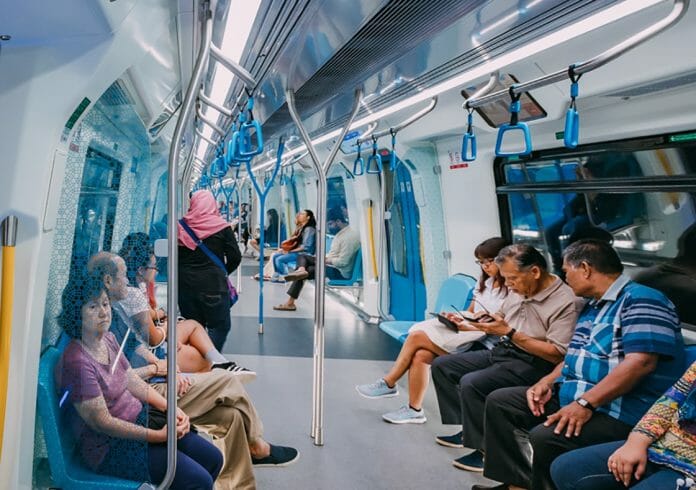
Malaysia’s rail ridership rose 7.6% month-on-month in April 2026 to 1.09 million passengers daily, signalling that more Malaysians are turning to public transport as global supply pressures and rising living costs continue to weigh on household spending.
Economy Minister Akmal Nasrullah Mohd Nasir said average daily bus ridership also climbed 10.3% month-on-month to 227,448 passengers, reflecting changing mobility patterns as consumers seek more cost-effective transport options.
The increase was highlighted during the National Economic Action Council (MTEN) meeting on Tuesday, which reviewed the impact of ongoing global supply chain disruptions, geopolitical tensions and elevated energy prices on Malaysia’s economy.
The ministry said the trend showed Malaysians were beginning to adjust their daily spending and commuting habits amid global economic uncertainty.
Despite external pressures, Malaysia’s economy remained stable, with Bank Negara Malaysia maintaining the Overnight Policy Rate at 2.75% on May 7. Inflation averaged 1.6% in the first quarter of 2026, while advance estimates showed the economy expanded 5.3%.
The government also noted that the FBM KLCI rose 2.1% during the week ended May 8, while palm oil and rubber prices continued to strengthen, supporting export income and domestic economic activity.
At the same time, MTEN expressed concern that rising prices were beginning to affect households, especially in rural areas, even though overall food inflation remained manageable. Prices of several food items including mackerel, mustard greens and fresh coconut milk recorded increases during the review period.
To ease pressure on small traders and micro businesses, the government said agencies including MARA had begun implementing rental reductions of up to 20% for business premises, while Kuala Lumpur City Hall reduced rental rates by 50% for selected hawker sites and premises until the end of 2027.


