


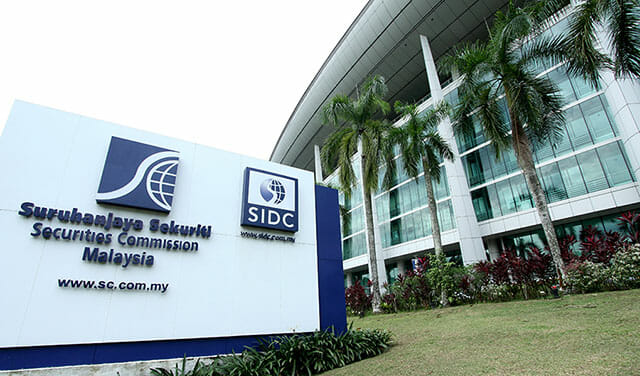
The Securities Commission Malaysia (SC) has introduced enhanced Guidelines on Recognised Markets aimed at strengthening oversight of digital asset exchanges (DAX) while accelerating the rollout of new products on regulated platforms.
The revised framework, which took effect on May 20, is designed to improve the competitiveness of regulated DAX operators, strengthen investor protection and boost the resilience of Malaysia’s digital asset ecosystem amid growing institutional participation in the sector.
Under the updated guidelines, regulated exchanges will benefit from a streamlined approval process intended to speed up product launches. In return, DAX operators will face higher standards of accountability, governance and operational resilience.
The enhancements also include stricter safeguards for client assets, stronger governance requirements and tougher standards relating to financial stability, ownership structure and management competency.
In a further move to bolster investor confidence, DAX operators will become members of the Financial Markets Ombudsman Service in 2026, giving investors access to a formal dispute resolution mechanism.
SC chairman Mohammad Faiz Azmi said the digital asset industry must mature alongside the broader capital market ecosystem.
“Our enhanced guideline demands resilient and credible partners within Malaysia’s financial market ecosystem. As the market grows more inclusive and innovative, it must be balanced with the highest standards of governance,” he said.
The regulator also signalled a tougher stance against unregulated operators. The SC said administrative action had been taken against four digital asset exchanges for operating without registration.
Separately, the commission has collaborated with technology firms including Google to curb unregistered exchanges from promoting services to Malaysians via social media and online platforms beginning April 14 this year.
Malaysia’s regulated digital asset market continued to expand in 2025, with total trading value on licensed exchanges rising 23% to RM17.14 billion from RM13.93 billion in 2024.
The updated framework forms part of the Capital Market Masterplan 2026-2030, which targets expanding Malaysia’s capital market size to between RM5.8 trillion and RM6.3 trillion by 2030.
The SC said it is also continuing efforts to bridge traditional and alternative investment markets, including issuing a practice note on digital asset broking services and updating guidelines for exchange-traded funds to facilitate digital currency ETFs.
According to the regulator, the measures are expected to broaden investor access to digital assets while preserving market integrity and strengthening confidence in Malaysia’s capital market ecosystem.


