



Nestled between Indonesia and Australia at the eastern edge of the Indonesian archipelago, Timor-Leste is one of the world’s youngest nations but is rapidly positioning itself as Southeast Asia’s next growth story.
Born from a long struggle for self-determination, Timor-Leste emerged as an independent state in 2002 after decades of conflict and occupation. Strategically located along key maritime routes connecting Southeast Asia and the Pacific, the nation of about 1.4 million people has traditionally relied on petroleum revenues to support its economy.
Today, however, the country is embarking on a new chapter.
Following its admission into ASEAN in 2025 after a 14-year application process, Timor-Leste is seeking to diversify its economy, modernise its institutions and attract foreign investment while preparing for what could become a defining moment in its history — a potential ASEAN chairmanship in 2029.
In an exclusive interview with BusinessToday at the Timor-Leste Embassy in Kuala Lumpur, Timor-Leste’s Ambassador to Malaysia H.E. Lisualdo Menezes Coimbra Gaspar outlined how the country’s relationship with Malaysia has evolved from one built on solidarity during times of crisis into a strategic partnership spanning trade, education, healthcare and regional integration.
Malaysia: A Friend Through Difficult Times
According to the ambassador, the foundation of bilateral relations was forged long before Timor-Leste gained independence.
He recalled Malaysia’s involvement in supporting peace and stability following the 1999 referendum, as well as assistance during Timor-Leste’s internal crisis in 2006.
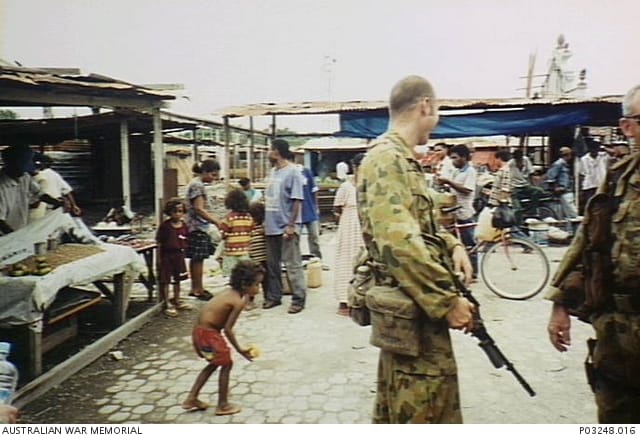
“Malaysia stood by us in moments of difficulty,” he said.
H.E Gaspar noted that Malaysia played a significant role during the country’s formative years, including hosting Timor-Leste’s embassy after independence when government finances were heavily dependent on international donors.
He also highlighted former Prime Minister Mahathir Mohamad’s visit to Timor-Leste in 2003, during which Malaysia provided support for the country’s security forces.
The relationship continued to deepen during the Covid-19 pandemic.
“When everybody closed their doors, our only window to the world was Malaysia and Kuala Lumpur International Airport,” he said.
The ambassador described Malaysia as a “genuine friend and partner” that has consistently supported Timor-Leste’s development journey.
Anwar’s Role in ASEAN Membership
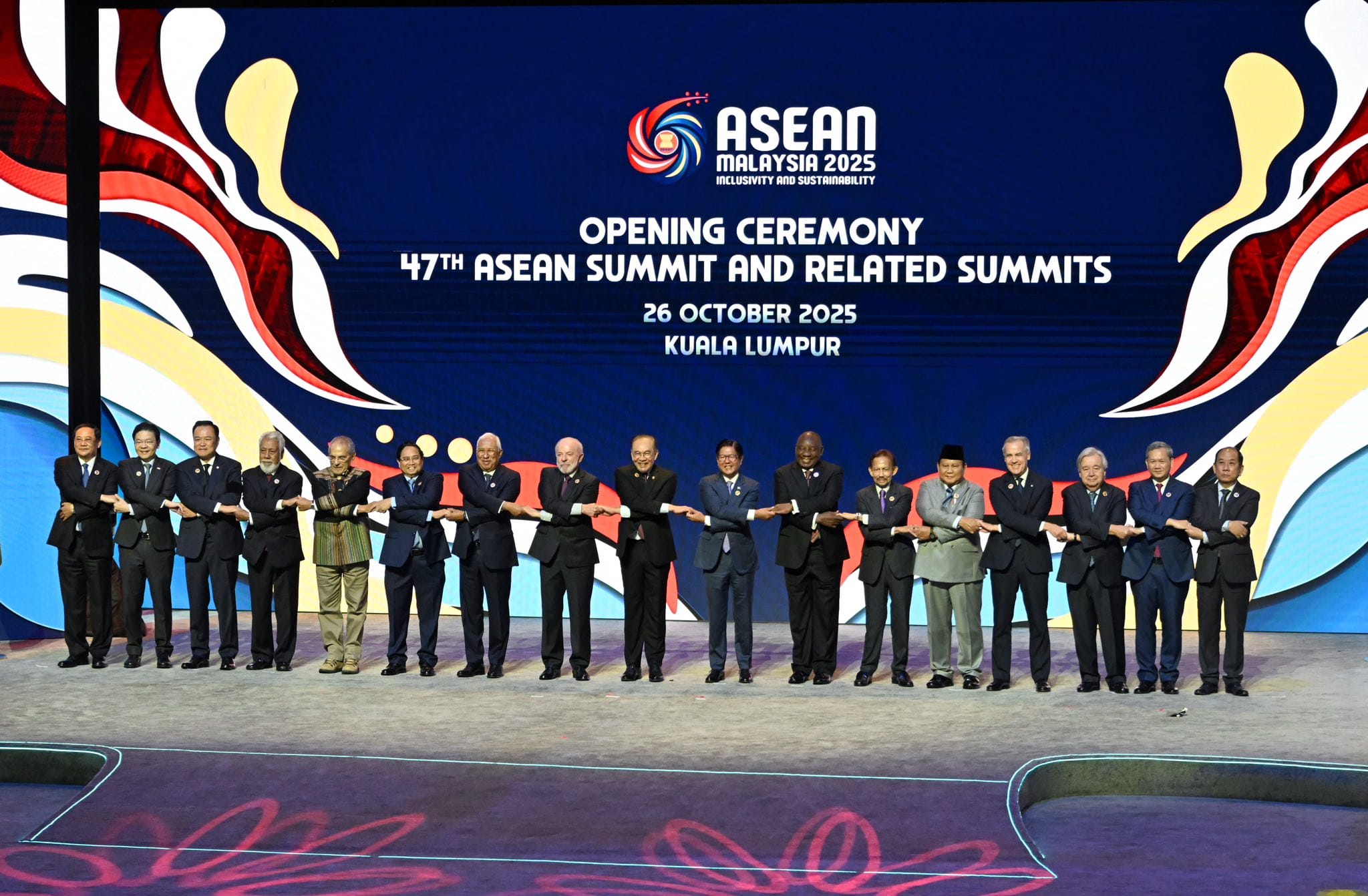
Among the most significant milestones in recent bilateral relations was Timor-Leste’s successful accession to ASEAN.
The ambassador credited Malaysian Prime Minister Anwar Ibrahim for playing a crucial role in building consensus among ASEAN member states.
After waiting 14 years for membership, Timor-Leste officially joined the regional bloc during Malaysia’s ASEAN chairmanship in 2025.
“There is no doubt that Prime Minister Anwar invested personal commitment and effort to lobby ASEAN members,” he said.
Beyond political support, Malaysia provided extensive technical assistance, including specialised training programmes for Timorese civil servants and support for institutional preparations needed for ASEAN integration.
Malaysia also contributed funding towards establishing Timor-Leste’s ASEAN coordination unit and allowed Timorese officials to closely observe and participate in preparations for ASEAN meetings during Malaysia’s chairmanship.
H.E Gaspar described the experience as invaluable in helping Timor-Leste understand both the logistical and policy dimensions of regional diplomacy.
Ready for ASEAN’s Next Chapter
Although questions had lingered over whether Timor-Leste was prepared for membership, the ambassador said the country had spent the past two years undertaking reforms to meet ASEAN requirements.
These efforts included harmonising legislation, strengthening institutions and enhancing administrative capabilities, particularly in economic governance.
“We wanted to be part of ASEAN as it begins implementing its Vision 2045 agenda rather than joining later and trying to catch up,” he said.
While acknowledging that much work remains, he expressed confidence that Timor-Leste would become a meaningful contributor to regional discussions.
Membership, he added, is already accelerating reforms that might otherwise have taken much longer to implement.
“Most of the reforms that we are doing today are because of ASEAN requirements,” he said.
Preparing for an ASEAN Chairmanship
One of the country’s most ambitious goals is its intention to chair ASEAN in 2029.
The ambassador believes the target is already serving as a catalyst for national development.
The preparations require upgrades to airports, roads, diplomatic infrastructure, public services and hospitality facilities to international standards.
“The announcement itself changed everything,” H.E Gaspar said.
“Each year of preparation is a year for modernising our systems, developing infrastructure and building capacity.”
While he acknowledged that matching Malaysia’s hosting capabilities would be difficult, he said Timor-Leste would bring its own unique identity to the role.
Regardless of the summit’s eventual outcome, he believes the preparations alone will generate long-term economic benefits.
Building an Economy Beyond Oil
Despite possessing significant petroleum resources, Timor-Leste recognises the need to diversify its economy.
The ambassador described ASEAN membership as a crucial platform for attracting foreign investment and reducing dependence on oil and gas revenues.
The government is focusing on sectors including tourism, fisheries, agriculture, manufacturing, infrastructure and digital services.
“We are transforming from an oil-dependent economy to one driven by productive firms, exports and a skilled workforce,” he said.
Timor-Leste offers a range of incentives to foreign investors, including tax exemptions and customs duty exemptions on investment-related imports.
Unlike larger economies, investors entering Timor-Leste are not entering a saturated market.
H.E Gaspor describes to BusinessToday about prospects in Timor Leste “It is a greenfield opportunity — a blank canvas where investors can innovate and grow,”.
The country also enjoys preferential market access as a least-developed nation, providing advantages in markets such as the European Union, Australia, New Zealand, India and Portuguese-speaking countries.
Opportunities for Malaysian Businesses
The ambassador identified several areas where Malaysian companies can play a larger role in Timor-Leste’s development.
Among them are infrastructure construction, education, technical and vocational training, healthcare, digitalisation and financial technology.
Malaysia’s expertise in Technical and Vocational Education and Training (TVET) is particularly attractive as Timor-Leste seeks to address youth unemployment, which affects around 35% of those aged between 15 and 25.
Infrastructure development is another priority.
With preparations underway for ASEAN chairmanship and broader economic expansion, the country needs investments in ports, bridges, roads and public facilities.
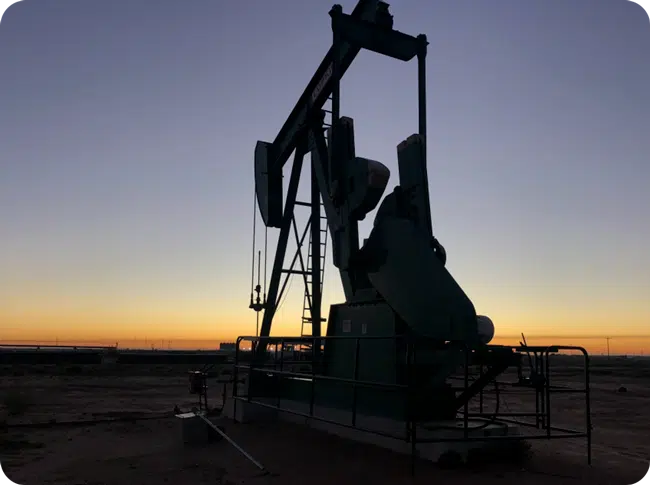
The ambassador also highlighted ongoing discussions in the energy sector, including a recently signed memorandum of understanding with Petronas for joint studies in Timor-Leste.
He welcomed greater participation by Malaysian private companies and investors.

Coffee, Tourism and New Air Links
The ambassador also pointed to lesser-known aspects of Timor-Leste’s economy.
Many Malaysians, he said, are unaware that coffee from Timor-Leste is already reaching consumers through international coffee supply chains.
“Malaysians are already embracing Timor-Leste coffee, but many don’t realise it,” he said.
The country’s coffee is grown mainly in highland regions without pesticides and on a small scale, contributing to its distinctive quality.
Tourism is another sector with significant potential.
Timor-Leste boasts pristine beaches, world-class diving sites and whale-watching opportunities that remain largely undiscovered by international travellers.
Connectivity is improving as well.
Last year, Batik Air launched direct flights between Kuala Lumpur and Dili, while AeroDili recently introduced its own direct service to Malaysia.
The expanded connectivity is expected to support tourism, trade and people-to-people exchanges.
A Bridge Between Regions
As ASEAN’s newest member, Timor-Leste believes it can bring unique value to the regional bloc.
Beyond its experience in nation-building, peacebuilding and reconciliation, the country serves as a bridge between ASEAN, the Pacific Islands and the Community of Portuguese Language Countries.
Its leaders view ASEAN not only as a platform for economic development but also as an avenue to amplify the voices of smaller states in regional and global affairs.
For Timor-Leste, joining ASEAN marks more than the end of a long diplomatic campaign.
It represents the beginning of a new phase of nation-building — one focused on integration, reform and sustainable growth.


