


The Akademi Profesor Malaysia (APM) has congratulated Malaysian universities following their improved performance in the QS World University Rankings 2027, describing the results as a reflection of the country’s growing international presence in higher education.
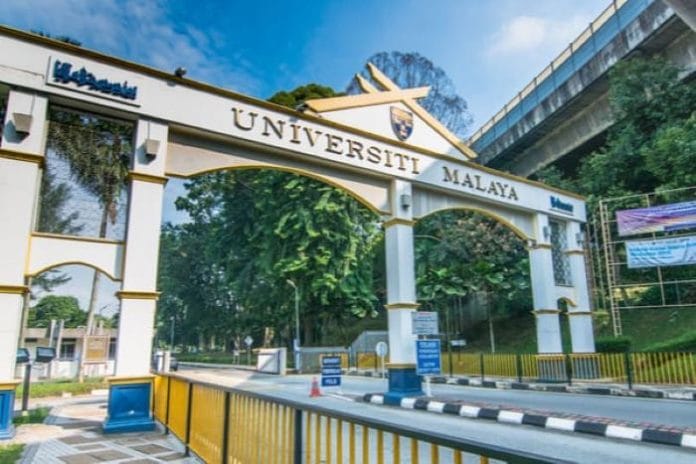
Universiti Malaya (UM) achieved a historic milestone by rising to 56th place globally, marking the highest position ever achieved by a Malaysian university. The ranking also saw five Malaysian universities placed among the global top 200, highlighting the strengthening reputation of the country’s higher education sector.
APM said the achievement was the result of years of efforts by university leaders, academics, researchers, students, professional staff, industry partners and policymakers.
The academy noted that Malaysia’s representation in the global rankings should be viewed as a broad ecosystem rather than a single measure of success.
“The five research universities anchor the national research base, while the technical university network brings a distinct industry-based identity,” APM said.
It added that private universities, including institutions such as Taylor’s, UCSI, Sunway and Universiti Teknologi PETRONAS, have developed their own international standing and contributed to Malaysia’s diverse higher education landscape.
APM stressed that Malaysian universities should not be expected to follow a single model of excellence, but instead focus on their respective missions and strengths.
While global rankings provide useful indicators on areas such as academic reputation, research impact, internationalisation, graduate outcomes and sustainability, APM said a university’s value cannot be measured by ranking position alone.
The academy highlighted that the latest results also revealed areas requiring attention, particularly in employer reputation and academic reputation.
According to APM, employer reputation has softened across much of Malaysia’s university system, including among some of the country’s strongest institutions. Academic reputation has also declined at several universities.
However, employment outcomes improved for most Malaysian universities included in the rankings.
APM said the development suggests that the issue is not simply graduate employability, but the gap between improving graduate outcomes and how employers and academic peers perceive Malaysian institutions.
“This gap matters as it affects confidence, reputation and long-term positioning,” the academy said.
The organisation said the gap can be addressed through stronger collaboration between universities and industry, closer curriculum alignment with employer needs, stronger research partnerships, improved alumni tracking, clearer evidence of graduate achievements and better communication of institutional strengths.
APM also highlighted the importance of aligning international recognition with the Malaysia Higher Education Blueprint 2026–2035, which aims to create a future-ready, resilient and industry-relevant higher education system.
The blueprint emphasises quality education, responsible research, talent development, innovation, lifelong learning and national impact.
APM called on universities, policymakers, industry players, alumni and the wider academic community to view the QS World University Rankings 2027 results as both recognition and responsibility.
“Malaysia has earned stronger visibility on the global higher education map. The next task is to deepen the quality, trust and impact behind that visibility,” it said.


