


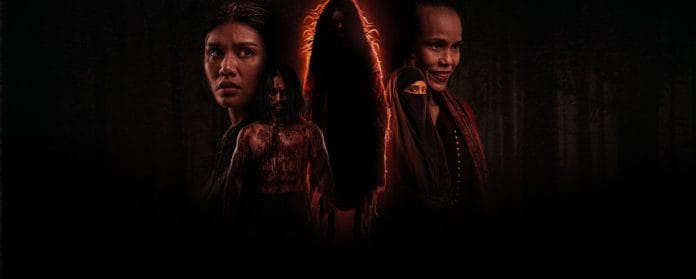
Malaysian horror has been on a pretty interesting run lately.
We have seen filmmakers become more ambitious with cinematography, practical effects and folklore-inspired storytelling. So when Polong arrived in cinemas with a premise revolving around a notorious bomoh, generational curses and one of Malay folklore’s most feared supernatural entities, expectations were naturally high.
Unfortunately, despite flashes of brilliance, Polong left me more frustrated than frightened.
The plot
Directed by Zulkarnain Azhar, the film follows Fatima, played by Mimi Lana, an ambitious journalist investigating the life of Maria Hadi, a notorious female bomoh portrayed by June Lojong.
As Fatima digs deeper into Maria’s past, she uncovers a series of dark secrets tied to a polong, a supernatural entity Maria once raised and controlled.
Her investigation eventually leads her to Marissa, Maria’s estranged daughter played by Nadiya Nisaa, as the pair become entangled in a legacy of trauma, guilt and supernatural vengeance.
Inspired loosely by elements surrounding the infamous Mona Fandey case, Polong attempts to blend folklore horror with family tragedy.
The ingredients are there.
The execution is another story.
What I like
Let’s start with the biggest positive.
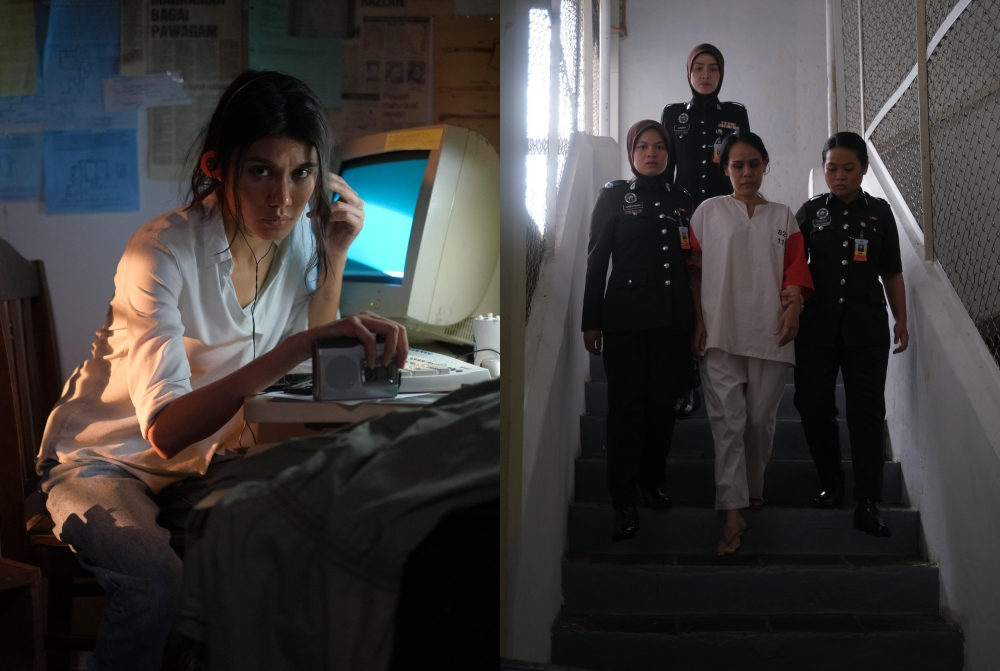
The cinematography is gorgeous.
Seriously.
There are shots throughout this film that made me wish the storytelling was as strong as the visuals. The use of split-diopter shots in particular is excellent. Unlike many recent horror films that discover a visual technique and proceed to use it every five minutes, Polong shows restraint.
The visual language actually serves the story instead of screaming for attention.
The performances are also strong across the board.
Mimi Lana delivers exactly what the film needs from its protagonist, while Nadiya Nisaa brings emotional grounding whenever the story starts drifting.
But the standout is June Lojong.
Whether portraying sadness, rage, regret or outright menace, she carries a tremendous amount of emotional weight. Even when the script stumbles, her performance keeps the character compelling.
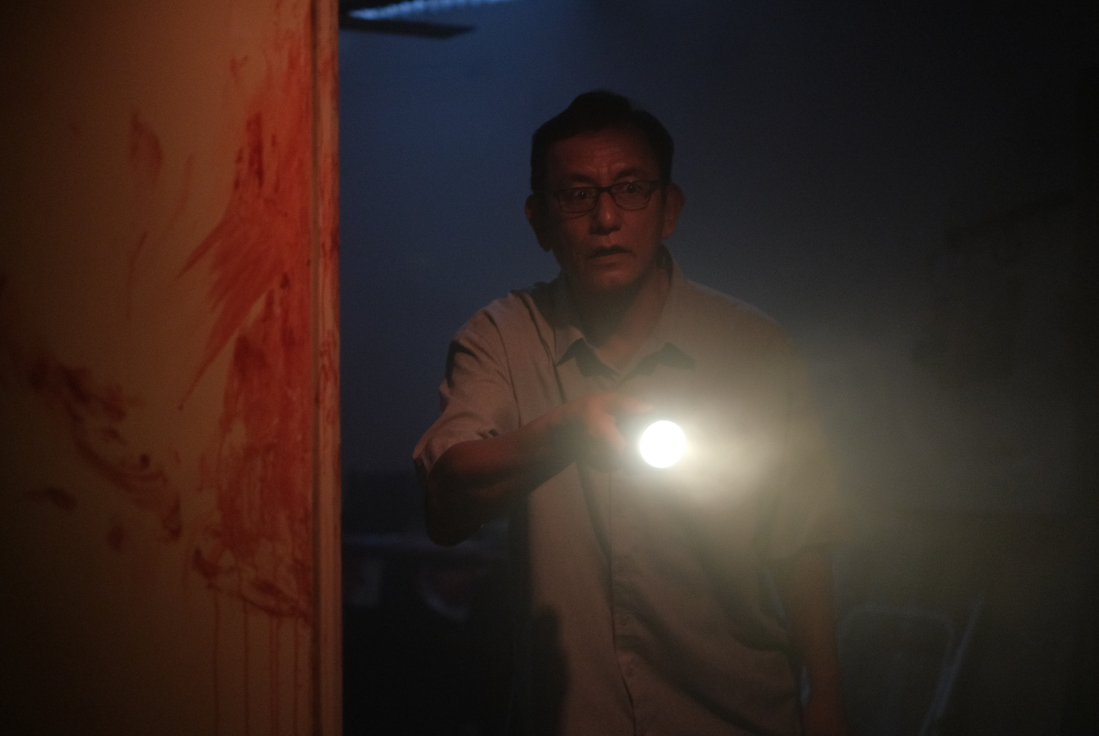
The practical effects and gore also deserve praise.
When Polong gets gruesome, it gets gruesome. The effects work looks surprisingly convincing and avoids feeling cheap. If anything, I wished the film trusted its gore more. Too many moments are covered with close-up shots when wider framing could have made the impact even stronger.
And perhaps the most frustrating compliment I can give the movie is this:
The premise is genuinely interesting.
A cursed legacy passed from one generation to another, rooted in folklore and guilt, is fertile ground for great horror.
The foundation was there.
What I’m mixed on
The music does its job.
That’s probably the best way to describe it.
It supports scenes when needed and helps build atmosphere, but once the credits rolled, I could not remember a single musical cue.
Compare that with last year’s Malam Terlarang, which I called the best local horror movie of the year, and the difference becomes noticeable. That film understood how sound can haunt audiences long after they leave the cinema.
Polong’s soundtrack works in the moment but rarely lingers.
The film’s multi-perspective storytelling approach also sits in this grey area.
There are interesting ideas in the different points of view, but the connections between them never feel fully developed. Instead of enriching the larger narrative, they sometimes make the story feel more convoluted than necessary.
What I don’t like
My biggest issue with Polong is that it repeatedly sabotages itself.
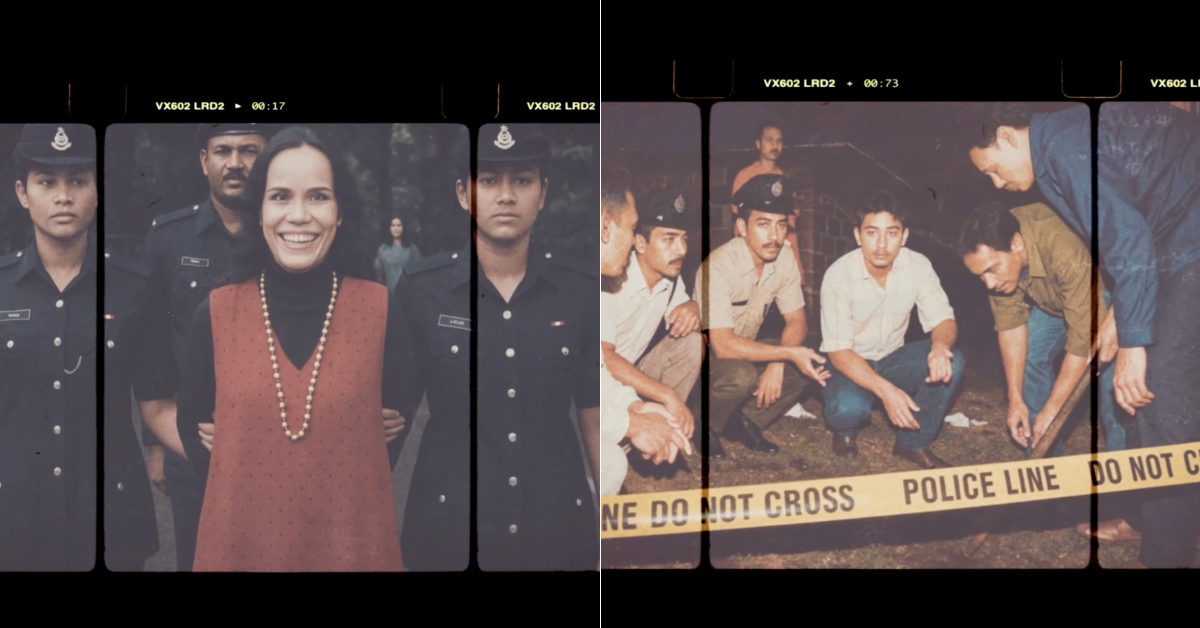
First, the overreliance on AI-generated imagery.
There are several case photos, news reports and visual materials throughout the film that appear noticeably AI-generated. Every time they appeared, I could feel audiences around me reacting the same way.
Eye rolls.
Nothing destroys immersion faster than seeing something that immediately looks artificial in the wrong way.
Then there is the pacing.
The slow burn never quite pays off. Horror films can absolutely benefit from patience, but tension needs to be building underneath the surface. Here, the story often feels like it is simply waiting to get to the next scare.
Which leads to another problem.
Too many jump scares.
I would not call them cheap jump scares because most are competently executed, but there are simply too many of them. By the time the movie reaches its final act, the pattern becomes predictable.
Ironically, only one jump scare genuinely got me.
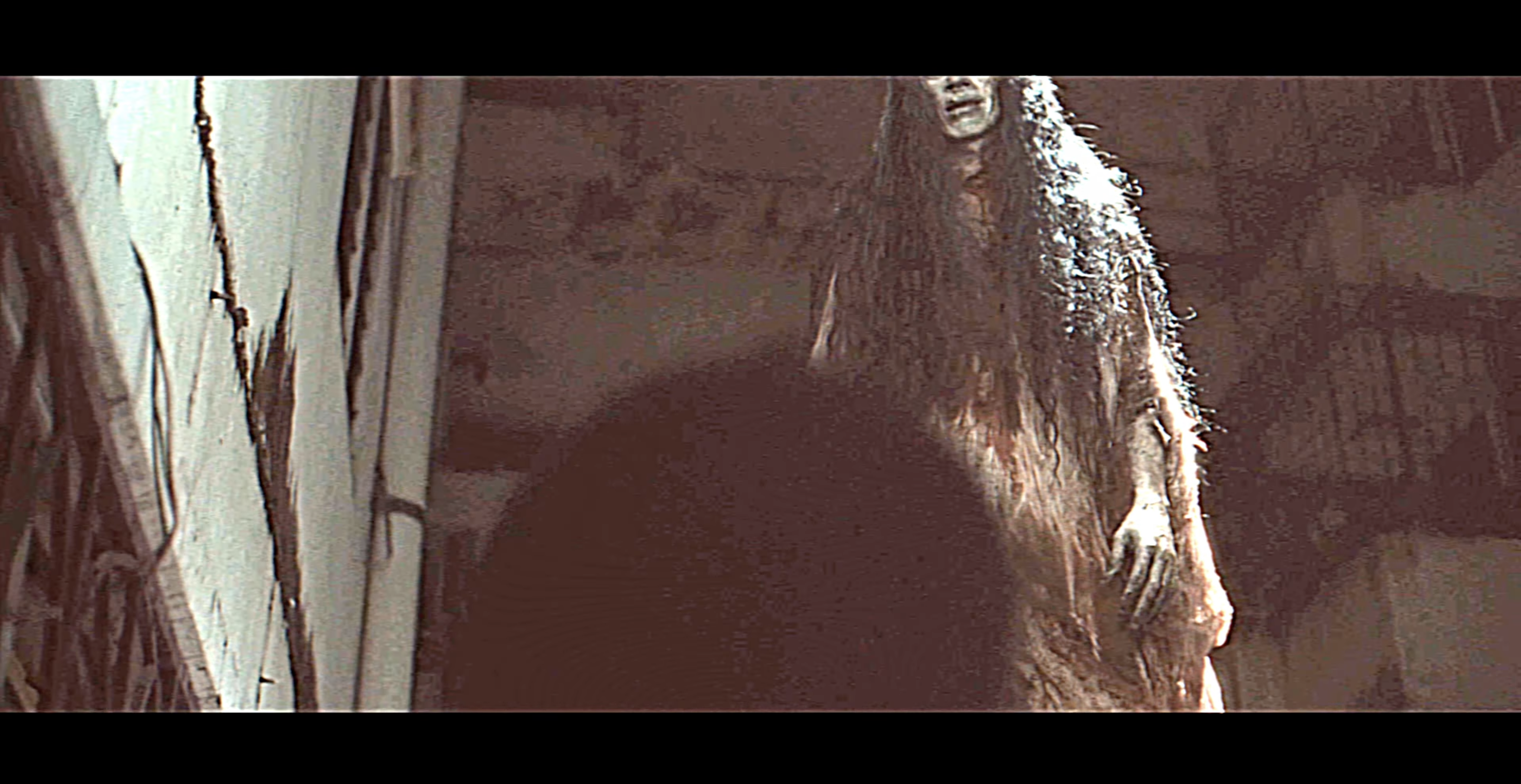
The biggest horror sin, however, is overshowing the monster.
The more Polong reveals its ghost, the less scary it becomes.
Good horror understands that imagination is often more terrifying than exposure. Instead, the film keeps bringing the entity back on screen again and again until the makeup and design start feeling familiar rather than frightening.
What begins as an unsettling presence gradually turns into something that loses its power every time it appears.
What the critics say
Interestingly, my reaction appears to be more critical than the general consensus.
Early reviews have largely been positive, with many praising the film’s practical effects, emotional depth and atmospheric cinematography.
Several critics highlighted the performances of Mimi Lana, Nadiya Nisaa and June Lojong as major strengths, while social media reactions have generally described the movie as a worthwhile watch for local horror fans.
One reviewer awarded the film 9/10, calling it “more than just a horror film”, while entertainment outlets such as Gempak and Rojak Daily noted that while Polong does not completely escape genre conventions, it offers enough substance to recommend.
I can understand where those reviews are coming from.
I just found myself wishing the film trusted its strongest elements more.
Final verdict

Polong is one of those movies that is harder to dislike than it should be.
The acting is strong. The cinematography is beautiful. The folklore foundation is compelling. The practical effects show genuine effort.
Yet somehow, the final product never fully comes together.
Between the AI-generated visuals, excessive jump scares, convoluted storytelling and constant need to show the ghost, the movie slowly chips away at its own strengths.
The frustrating thing is that there is clearly a better film hiding somewhere inside Polong.
You can see glimpses of it throughout.
But by the end, what remains is a horror movie with great ingredients that never quite figures out the right recipe.
4/10. Not memorable.


