Set in the terraced rice fields of Mù Cang Chải, northern Vietnam, Garrya Mù Cang Chải has rolled out a new culinary programme that puts the region’s overlooked food culture in the spotlight. The focus is simple: wellbeing-led dining rooted in local ingredients and traditions, not imported trends.
The idea is to shift attention away from Vietnam’s better-known food hubs like Hanoi and Ho Chi Minh City and towards the north-west, where forests, mountains and seasonal foraging shape the cooking. Think smoked techniques, wild herbs, mountain spices and ingredients grown at altitude, all closely tied to the landscape rather than restaurant trends.
At the centre of the programme is Executive Chef Trần Văn Phú, who has spent 17 years working in luxury hospitality. His approach blends modern techniques with local food knowledge, framing each dish as a reflection of the land and the communities that live there.
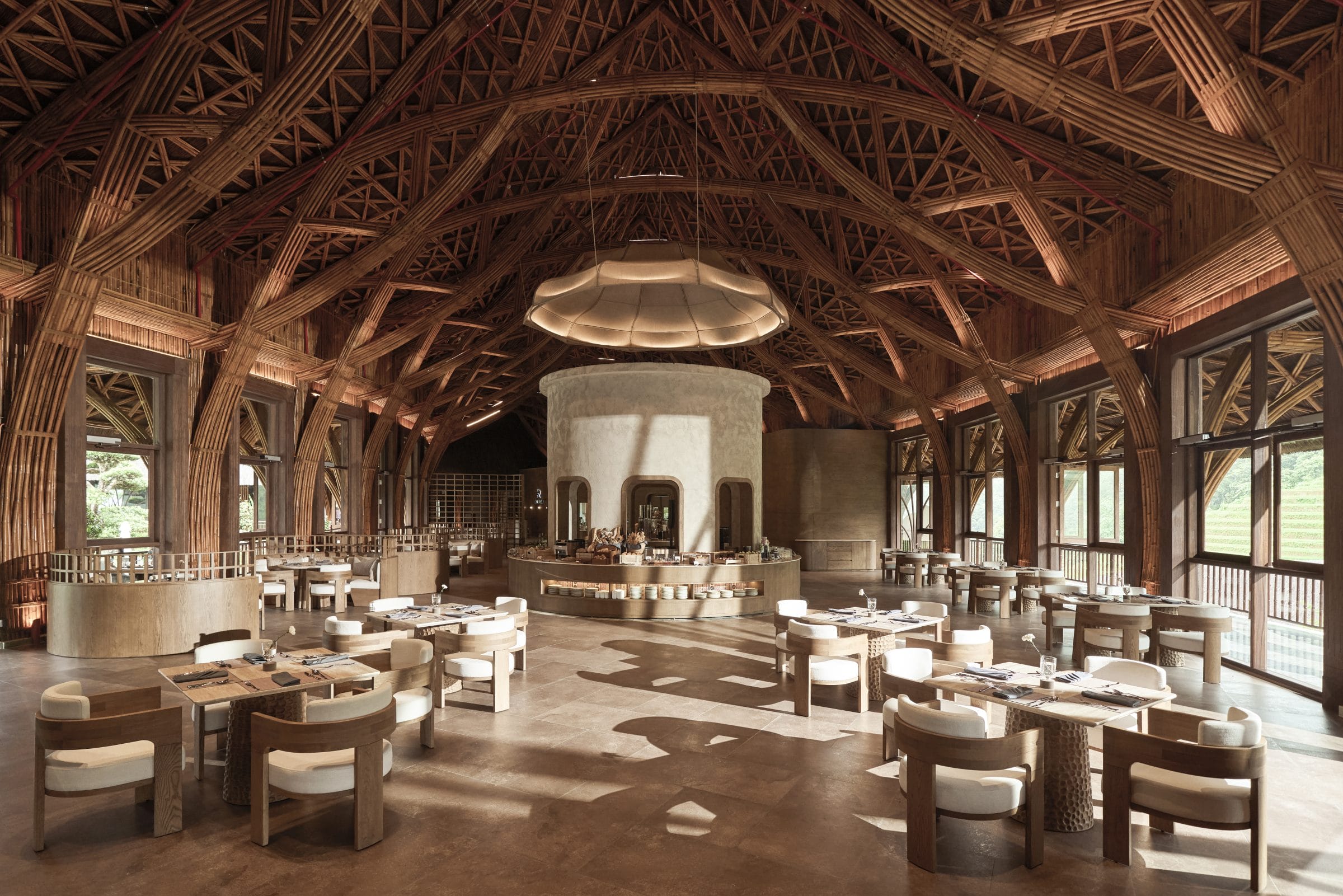
A key part of his work involves sourcing directly from nearby villages, including Háng Chua Xay, Dề Thàng, Màng Mủ and Mí Háng. Ingredients such as wild forest honey, shiitake mushrooms from Nậm Khắt, bamboo shoots, mountain herbs, salmon from Khau Phạ Pass, mắc khén pepper and Shan Tuyết tea all feature, but are presented in a more refined, contemporary style.
On the ground, the dining offer is split across several spaces. Refresh, the all-day restaurant, focuses on balanced dishes built around seasonal produce with views over the rice terraces.
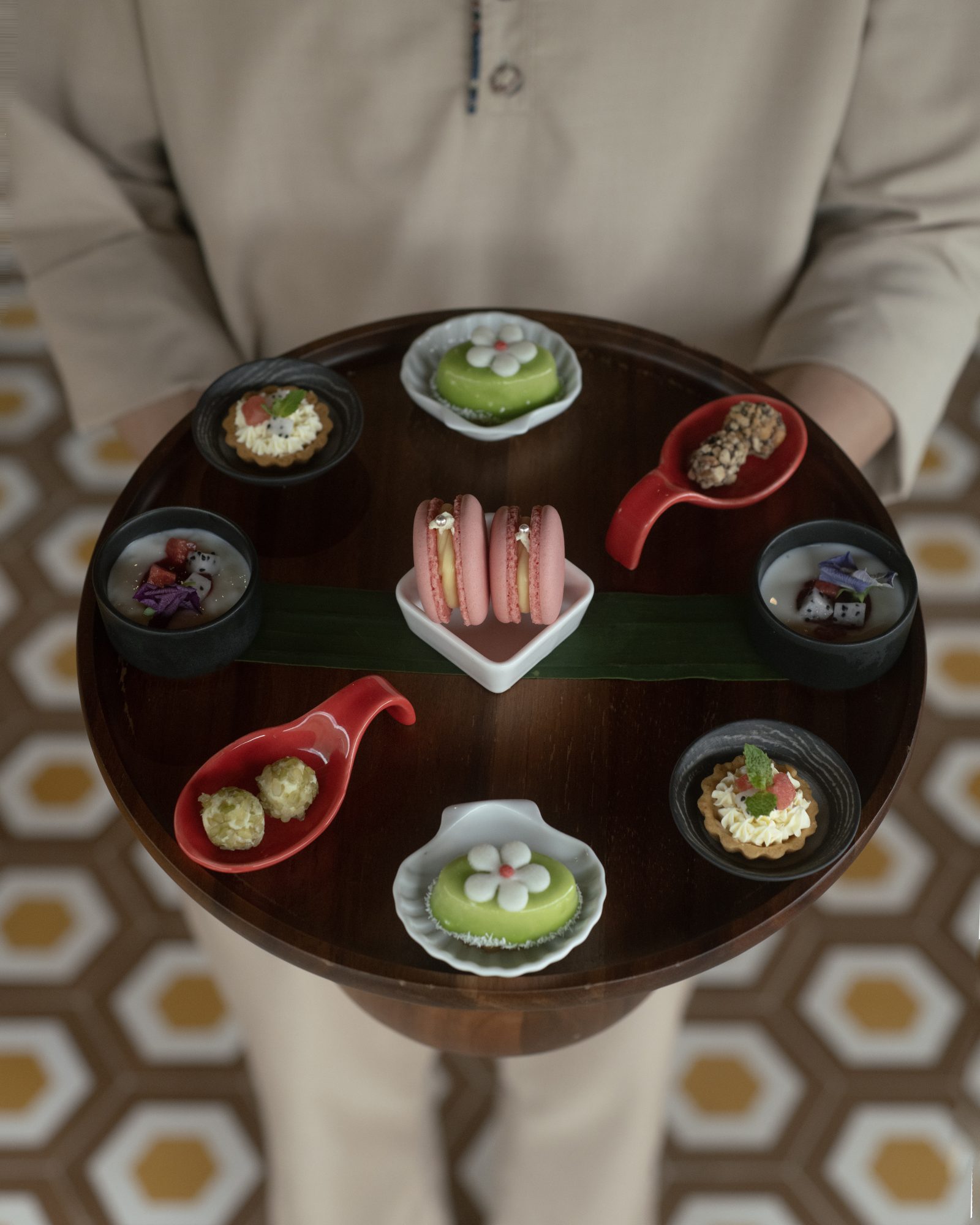
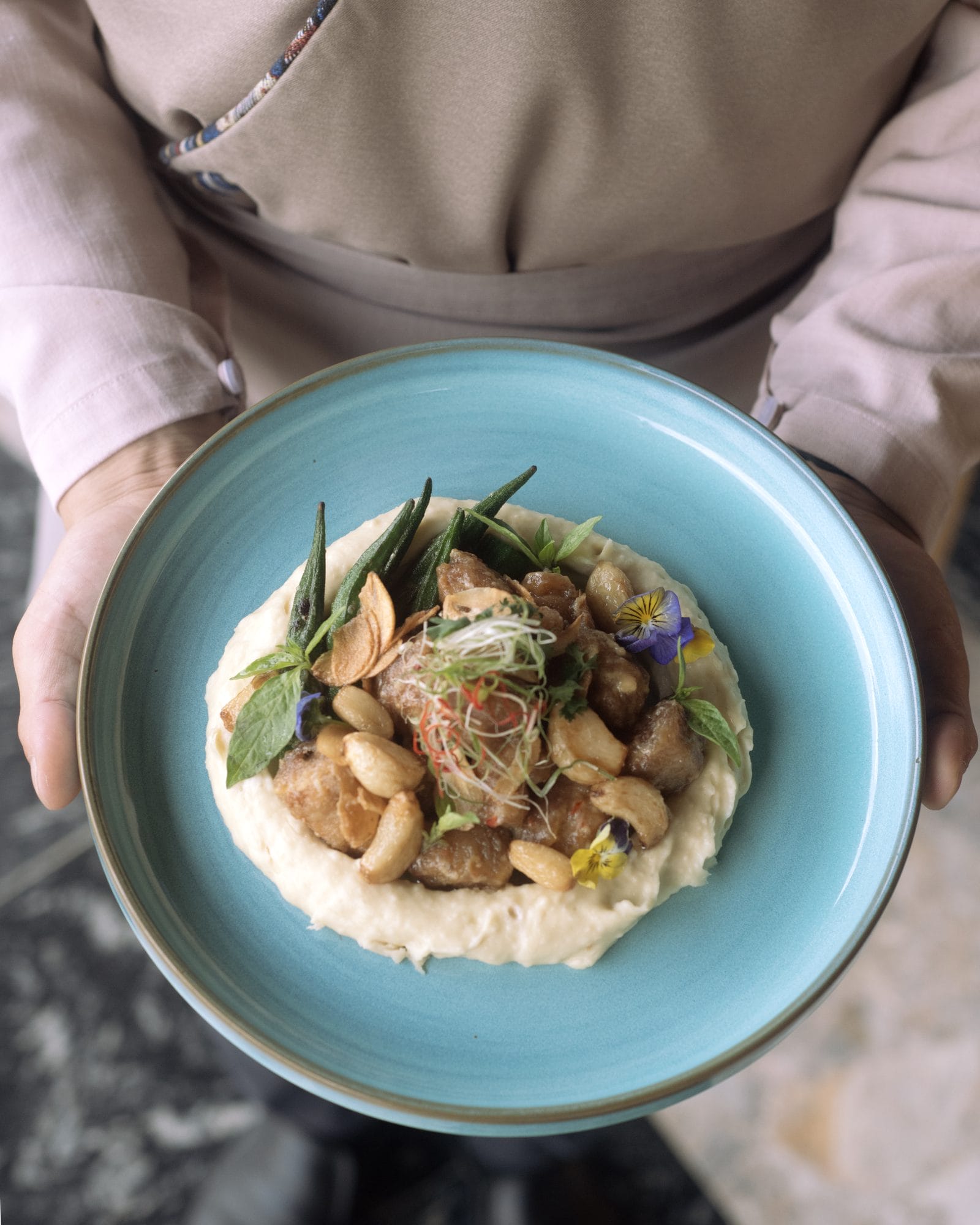
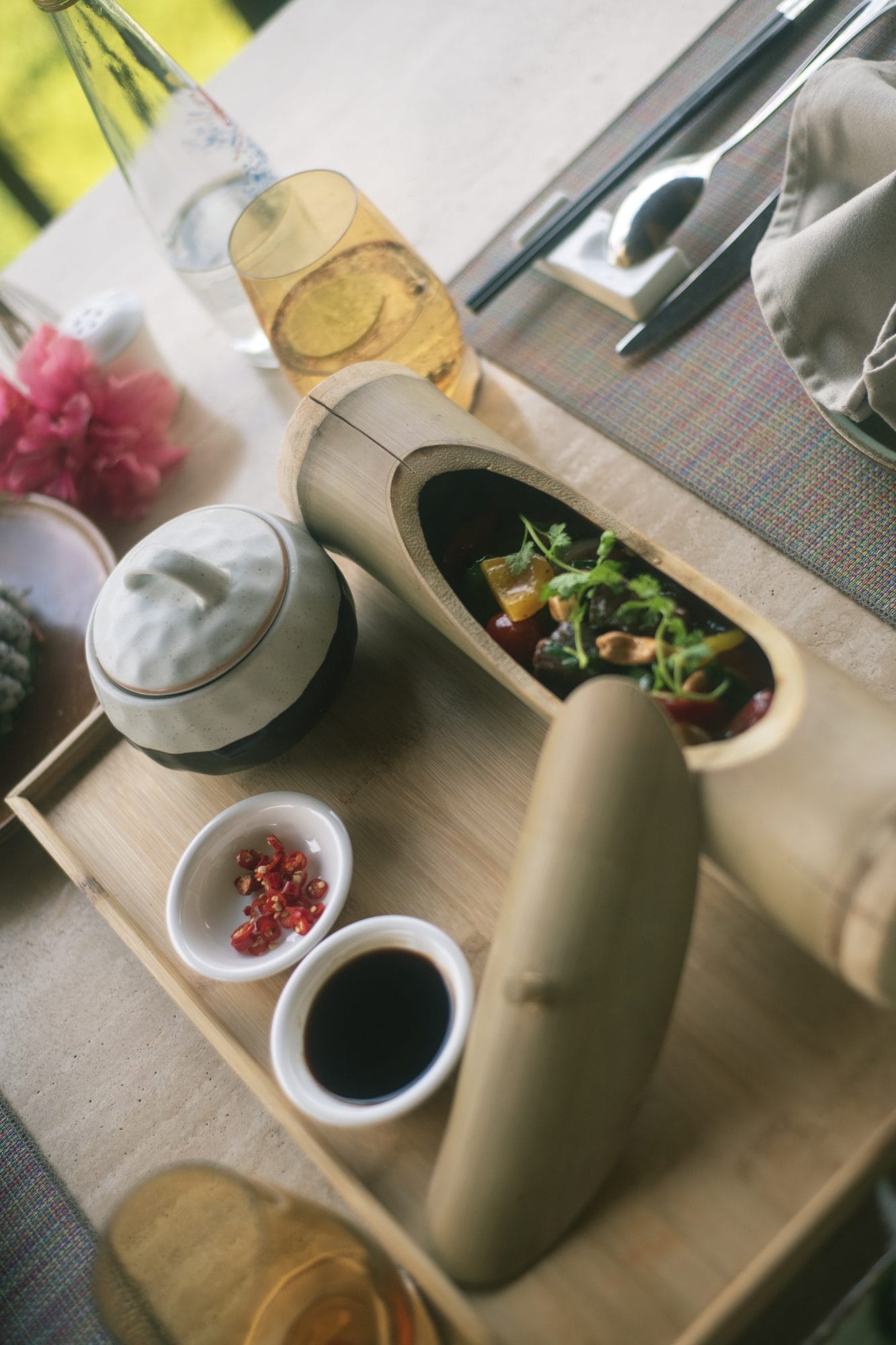
Charcoal Grill leans into fire-led cooking and smoky, open-kitchen preparation. By the pool, BZen Pool Bar keeps things lighter with juices, kombucha and simple plates designed for relaxed dining.
The resort is also planning a series of curated dining events, including wine-pairing dinners and four-hands collaborations with chefs from across Vietnam and the region. These are designed as smaller, more focused experiences, combining tasting menus with storytelling that highlights the ingredients and culture of the north-west.
Alongside the food offering, there’s a clear emphasis on community. More than 70 per cent of kitchen staff are recruited locally, and Chef Phú is actively involved in training and mentoring, with a focus on developing long-term skills rather than short-term roles.