



I’ve driven enough electric vehicle (EV) SUVs to know the formula by now: Big screen, decent range, quick enough in a straight line and a personality that usually disappears the moment the road stops being straight.
The Leapmotor B10 Design doesn’t fully break that pattern but it does something more interesting; it feels like a car that has been properly engineered first, and “marketed” second.
It also quietly lands in the same battleground as the Proton e.MAS 7 Premium, BYD Atto 3 Ultra and MG’s value-focused EVs. So it doesn’t get to hide behind novelty. It has to earn its place, and it’s the B10’s rear-wheel drive that changes the conversation.
Rear-Wheel Drive EV SUV
In its price bracket among peers, it doesn’t turn the B10 into a sports SUV, but it does make it feel more balanced than the usual front-heavy setups.
It sits on the LEAP3.5 architecture with Cell-to-Chassis 2.0+, which delivers near 50:50 weight distribution, a low centre of gravity, and a high torsional rigidity of 36,360 Nm/deg, all of which contribute to its composed and stable driving character.
You don’t need the numbers to feel the result. You feel it in how composed it stays when the road stops cooperating.
Driving feel: Calm, tidy and more “together” than expected, all thanks to the B10’s 218 hp (160 kW), 240 Nm rear motor, and it is capable of doing zero to 100 kmh within eight seconds.
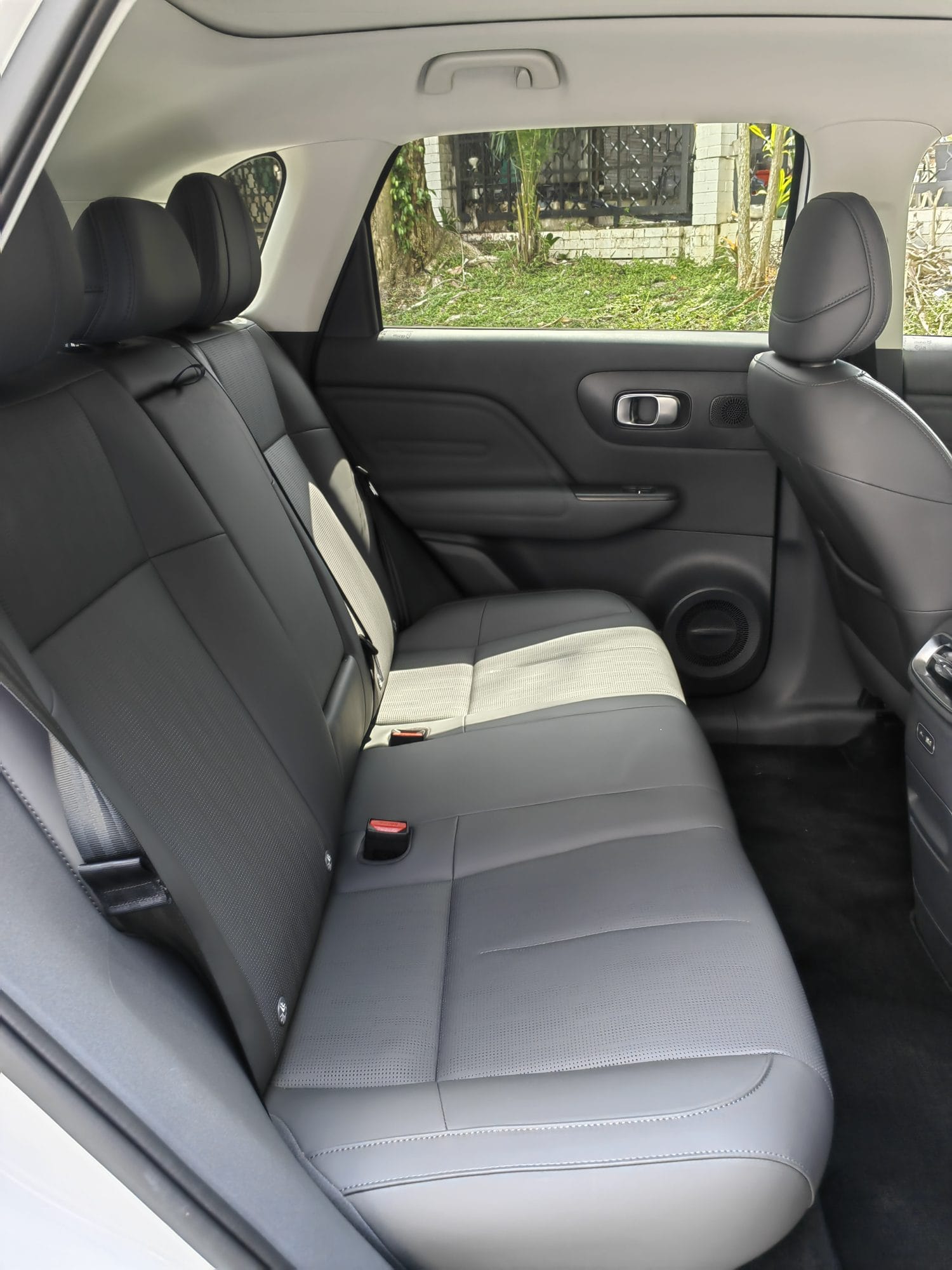
On paper, that’s not segment-leading. In reality, it’s perfectly usable and more importantly, it feels clean and linear.
What stood out most to me wasn’t acceleration but balance. The turn-in is neat and precise rather than vague, and mid-corner stability feels solid. It doesn’t give the impression that it is “waiting” to correct itself after bumps, and while body roll is present, it is controlled rather than sloppy.
This is not a car trying to entertain you. It’s a car trying not to annoy you and it succeeds more often than not.
The steering is light, but consistent. There’s no artificial heaviness, but also no strange dead zone. You just get a predictable front end, which is underrated in real Malaysian traffic.
Ride Comfort: Built For Malaysian Reality
The B10’s ride comfort is one of its strongest qualities. It deals with patched tarmac, broken highway surfaces, potholes and aggressive speed bumps without becoming unsettled or harsh.
It is not overly soft and it is not firm either. Instead, it sits in a well-judged middle ground where you stop thinking about the suspension after a while, which is exactly what most buyers in this segment actually want.
As for range, the B10’s 67.1 kWh LFP battery delivers a claimed 434 km WLTP range, slightly ahead of some direct rivals. In real-world Malaysian usage, it still sits comfortably in the “charge once or twice a week” category for most drivers, which is ultimately more important than brochure numbers.
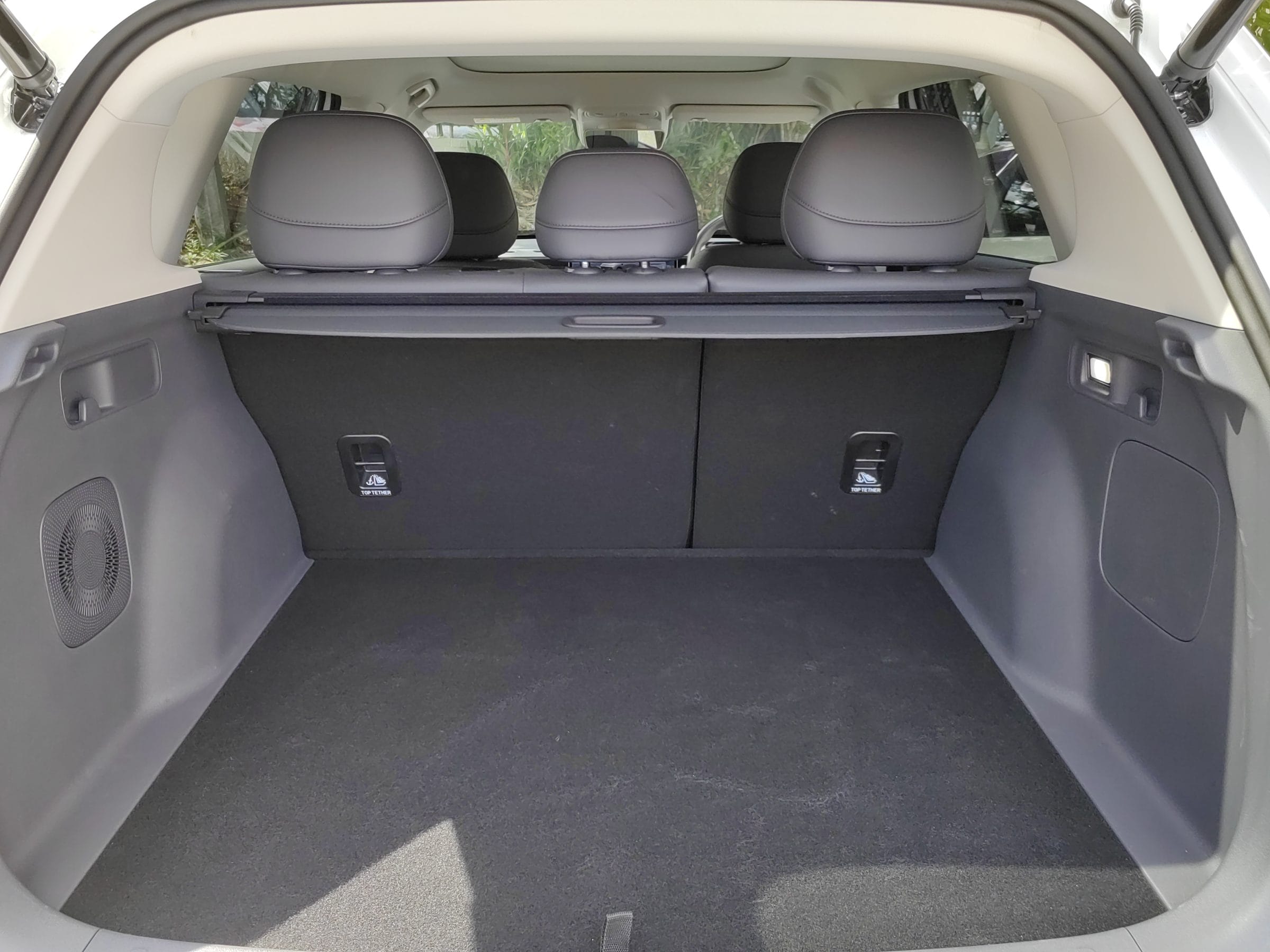
Practicality is also well thought out as the boot offers 430 litres of space and expands to 1,700 litres with the rear seats folded. There is also a 25-litre frunk that is surprisingly useful for storing charging cables and small emergency items that you do not want rolling around in the main boot.
Minimalist, Clean And Very Screen-First Interior
Inside, the B10 Design leans heavily into a modern minimalist EV philosophy.
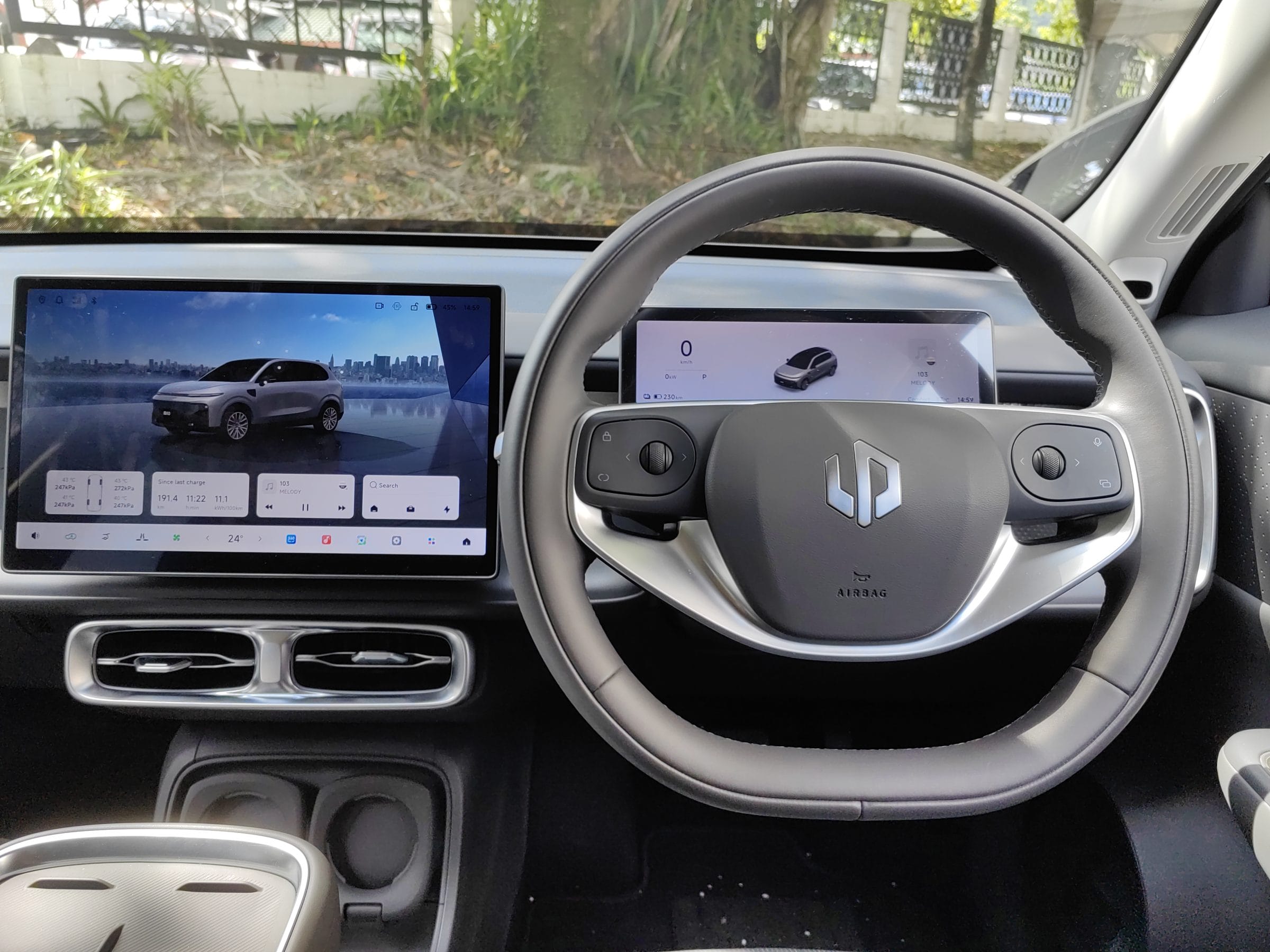
The cabin is dominated by a 14.6-inch central touchscreen running Leap OS 4.0 Plus, supported by an 8.8-inch driver display. The system feels responsive and is designed around OTA updates, with Apple CarPlay and Android Auto scheduled to arrive via update in January 2026.
The cabin design, on the other hand, is airy and restrained, with ambient lighting, a panoramic glass roof with an electric sunshade and subtle bamboo-inspired detailing that gives it a slightly more premium feel than the price suggests.
The Design variant also adds ventilated front seats and improved upholstery that further lifts the overall ambience.
Safety: Extremely Capable, Slightly Over-Involved
Structurally, the B10 is impressive. It carries a 5-star Euro NCAP rating with 93% scores for both adult and child protection, supported by seven airbags, 12 sensors and a full suite of 17 Advanced Driver Assistance Systems functions.
However, the calibration of these systems leans towards being very sensitive. Lane Keep Assist, Lane Centring Control and Emergency Lane Keeping are always active and tend to intervene even when driving conditions do not necessarily require it. Alongside driver fatigue monitoring and distraction alerts, the system sometimes feels more supervisory than assistive.
The result is a car that is undeniably safe but not always relaxing to live with, especially if you prefer a more natural driving feel without constant electronic reminders.
The B10’s quirks become more noticeable in daily use than during a short test drive. The unlocking system relies on a card tap against the driver-side mirror, which removes traditional key convenience and makes the experience feel slightly ritualistic rather than intuitive.
There is also a pre-drive verification process before the car fully allows operation, which adds a layer of security but also introduces friction into what is usually a simple “get in and drive” routine.
Final Verdict
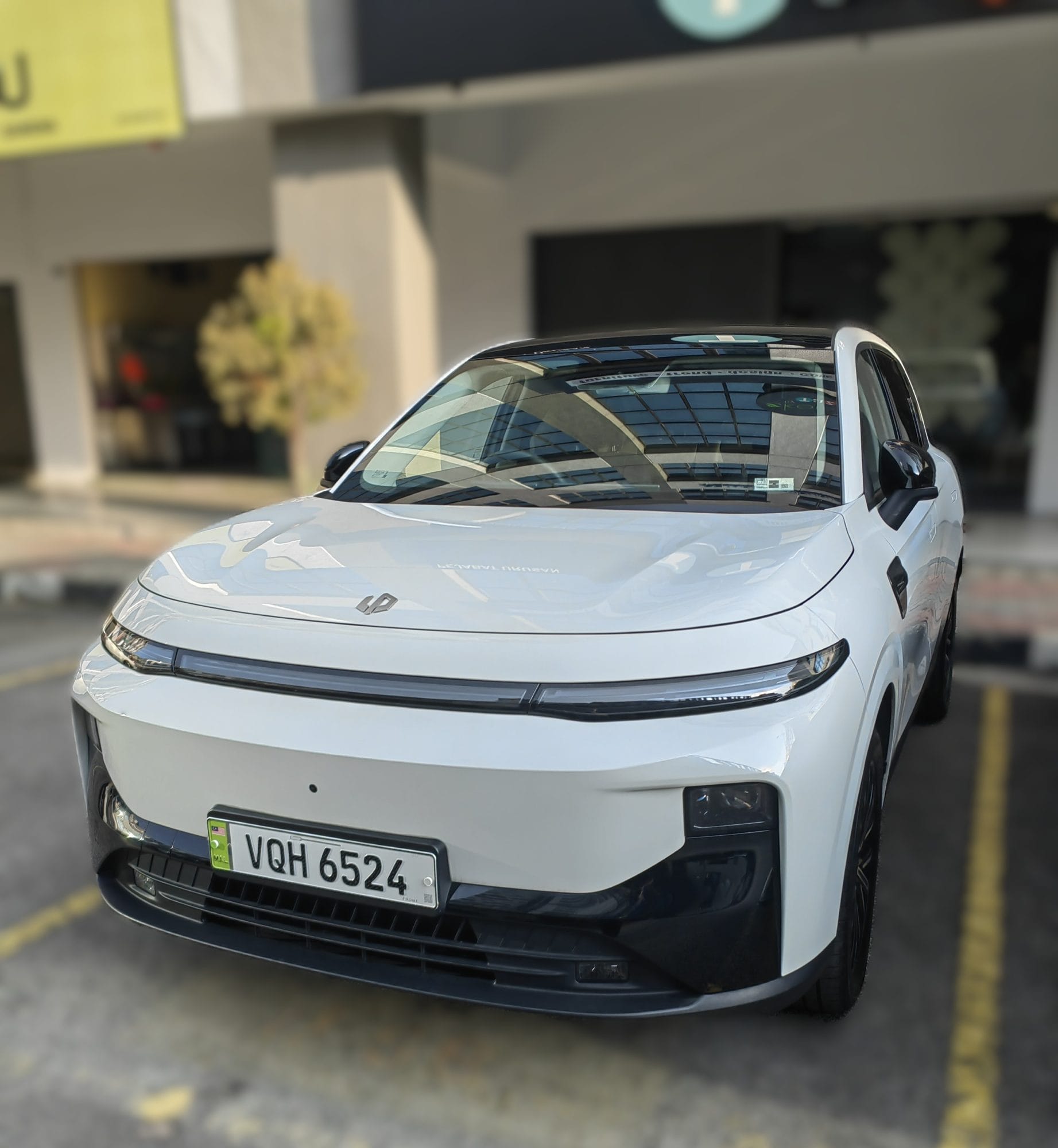
Overall, the B10 is not trying to be emotional or sporty nor it is trying to win attention through gimmicks. Instead, it delivers something more grounded, which is a well-balanced, comfortable, structurally strong EV SUV that feels more expensive than it is most of the time.
At the same time, it comes with a very clear personality of extremely safe, highly controlled, heavily digital and occasionally a little too eager to intervene.
Overall, I walked away feeling that this is not a car that demands attention. It is a car that insists everything is under control, even in situations where you might have preferred just a little less supervision.


