



The lunchtime crowd gathers early at a Pinggiran Highway, a bustling food stall known for its spread of Malay dishes at the southbound Seremban Rest and Recreation (R&R) area. Regular customers have no trouble spotting the stall, thanks to its glowing sign as trays of food move quickly across the counter during the lunch rush.
Nearby, owner Hajar Ariffin keeps a close eye on the day’s operations. It’s a routine she has maintained for more than three decades. But since going cashless, payments have become quicker, helping the stall keep pace on busy mornings like today.
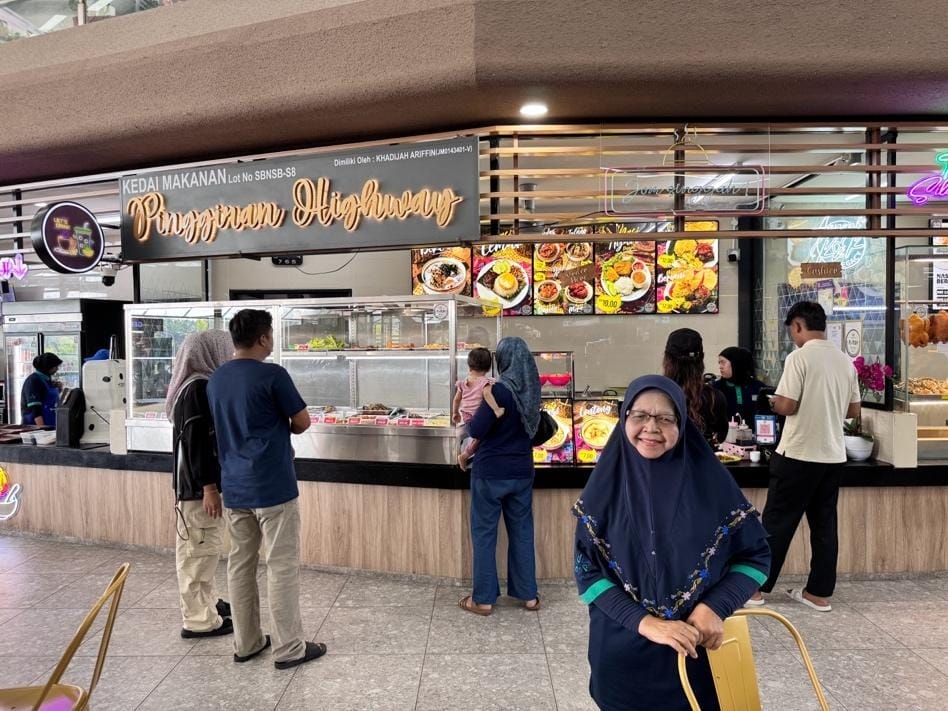
“Most shops these days accept cashless payments and customers prefer it,” said Hajar. “It makes things easier for us as business owners. Transactions are easier to track and we feel safer not handling as much physical cash.”
The cashless shift is not only limited to Malaysia’s major cities but smaller towns too. The fastest e-payment growth in non-urban areas in 2025 was in the states of Kedah, Terengganu and Kelantan, where transaction volumes tripled year-on-year.
In Kelantan, Padil Osman runs a traditional batik arts and crafts stall on Pulau Sri Tanjung, a fully cashless floating market. He says going digital has been a gamechanger, especially during busy periods.

“It makes transactions seamless for tourists and the public. It’s had a good impact on business,” he said. Stories like Padil’s reflect a wider shift taking place across the country, as digital payments become increasingly embedded in everyday life.
Behind the shift is the broader payments ecosystem enabling millions of Malaysians to pay digitally every day. In 2025, Payments Network Malaysia Sdn Bhd (PayNet) processed 8.4 billion digital payment transactions, a 33% increase year-on-year. As Malaysia’s national payments network, PayNet operates platforms such as DuitNow for QR payments, MyDebit for domestic debit card transactions, FPX for online purchases and JomPAY for bill payments. Majority owned by Bank Negara Malaysia, alongside 11 local banks, PayNet works closely with financial institutions, fintech players, merchants and regulators to advance the country’s digital payments ecosystem.
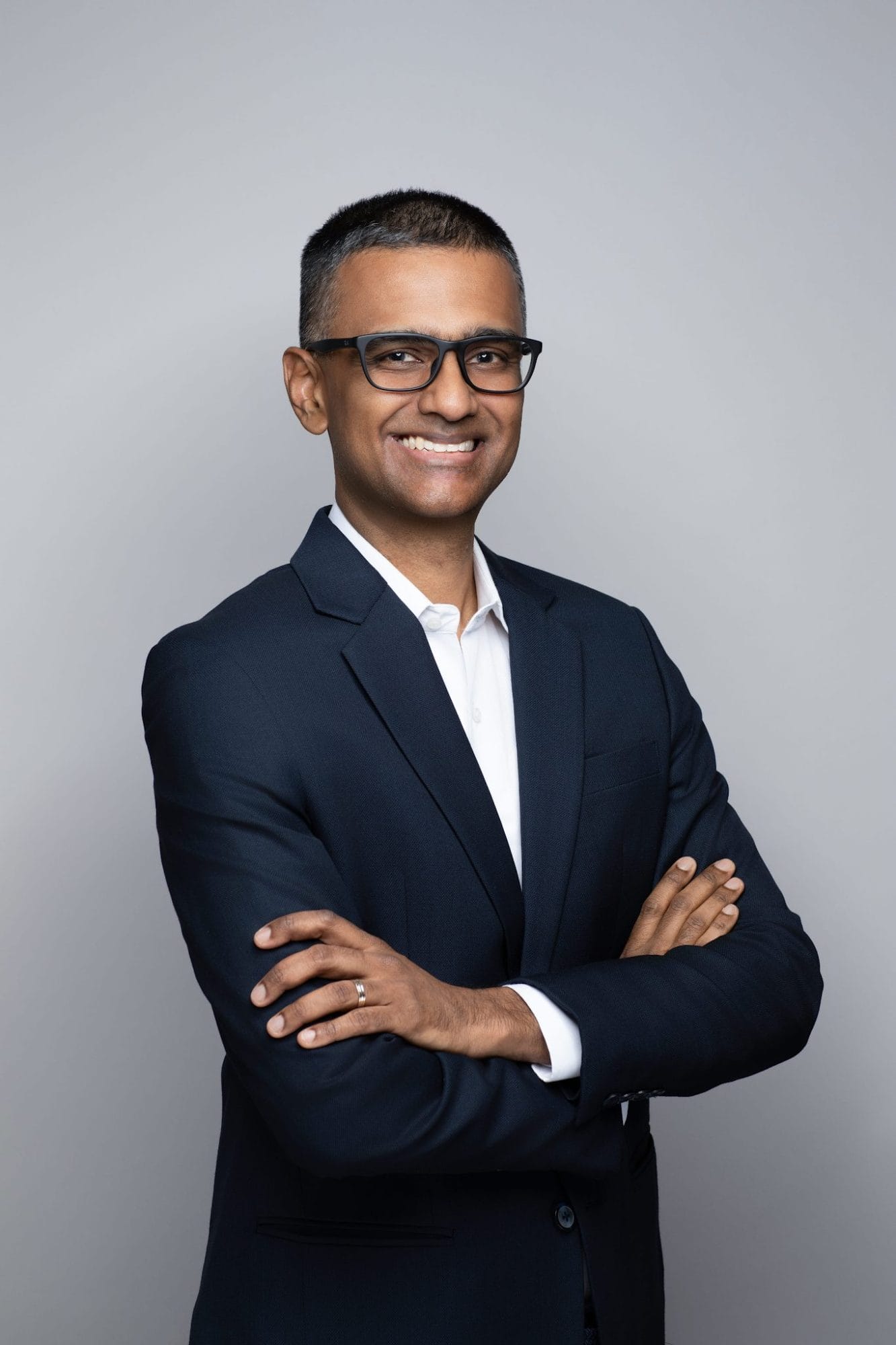
“What is changing is not just how people pay but what they expect from payments,” said PayNet Chief Executive Officer Praveen Rajan. “Speed, reliability and ease of use are no longer a bonus. People increasingly expect payments to work instantly and seamlessly. The focus now is ensuring the system continues to be trusted, resilient and accessible as the reliance on digital payments grows.”
That reliability has become increasingly important as more people adopt digital payments. In 2025, PayNet’s network processed an average of 260 transactions per second while maintaining 99.995% service availability, helping ensure payments remained seamless even during peak periods.
One of the clearest signs of changing payment behaviour can be seen among younger Malaysians. Across 44 universities, PayNet Digital Campus recorded 58.7 million digital transactions in 2025, more than double the year before.
Now in its fourth year, PayNet Digital Campus is a student-led programme involving universities, student representative councils and merchants to encourage digital payments in campus life. Universities function as self-contained communities where students make repeated daily transactions, from meals and transport to parking and printing. As students increasingly adopt digital payments, merchants on campus tend to follow, reinforcing cashless behaviour. The shift also extends beyond campus grounds, with nearby businesses increasingly accepting digital payments to meet student demand.
At campuses such as Universiti Teknologi Malaysia (UTM) and Universiti Tunku Abdul Rahman (UTAR), digital payments have become second nature.
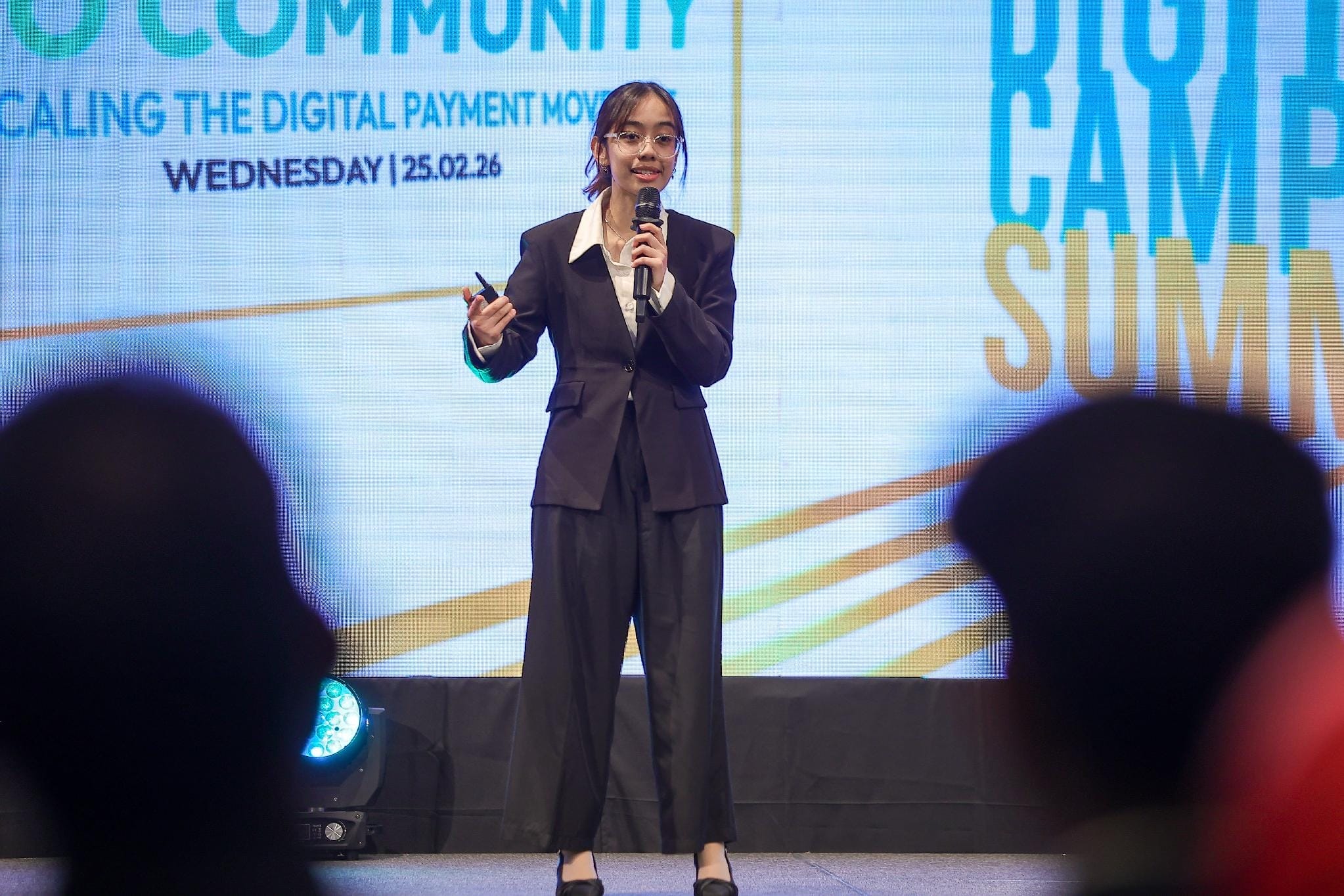
Dania Natasya, a student leader at UTAR who helped drive cashless payments during Digital Campus 4.0, says the change has been gradual but noticeable.
“When I first started in UTAR, I would still see students using cash to pay for food. But slowly, they realised that cashless is so much easier. So now we’re seeing that more merchants have DuitNow QR codes,” she said.
Today, there are more than three million DuitNow QR touchpoints nationwide as adoption continues to grow among micro, small and medium enterprises (MSMEs).
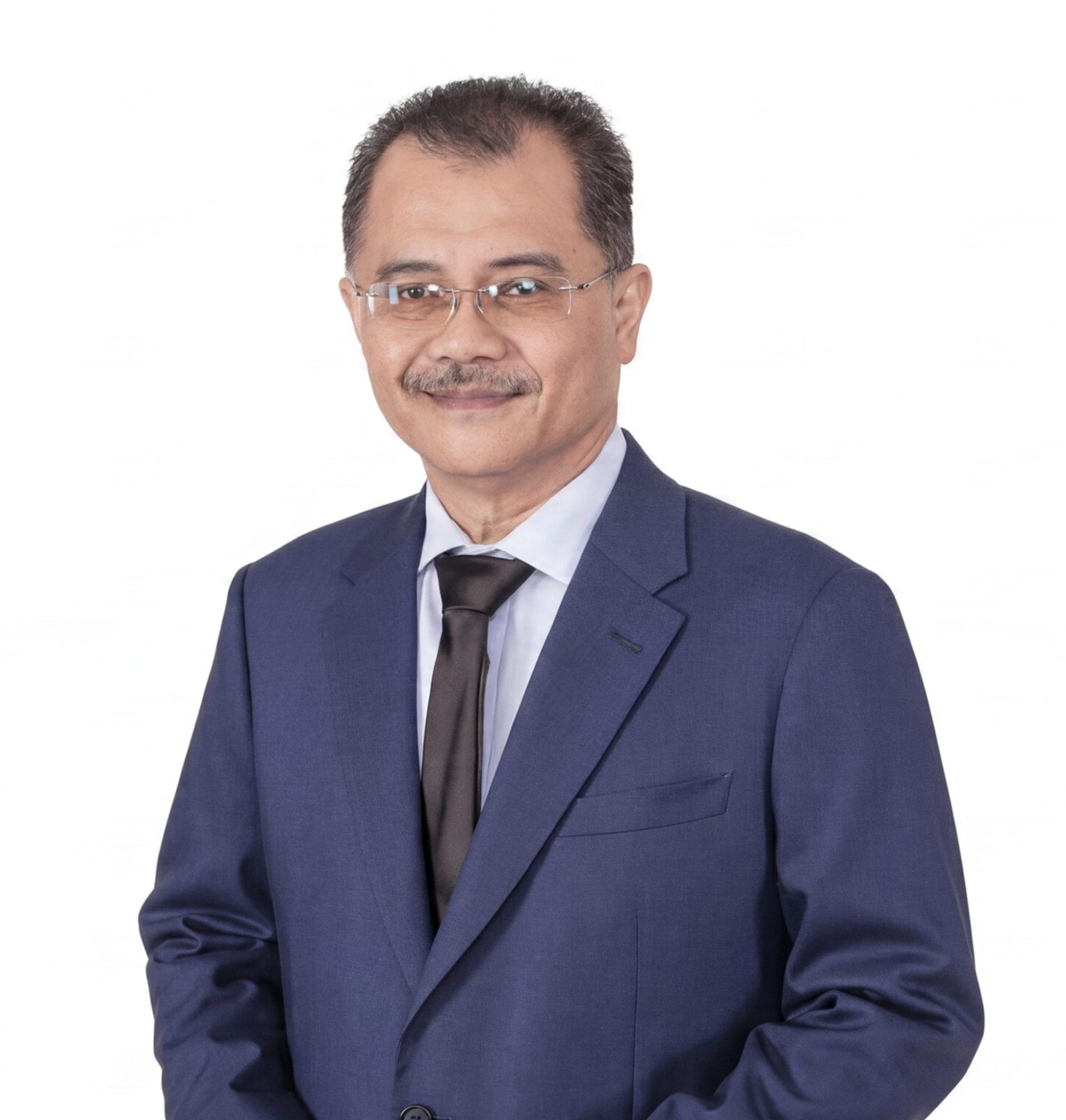
“Digital payments started as an alternative option but increasingly have become the first choice,” said economic analyst Professor Madya Dr. Aimi Zulhazmi Abdul Rashid from UniKL Business School. “As more consumers adopt them and more merchants accept them, usage has become part of everyday routines. People today expect payments to be fast, simple and practical because cashless transactions are now part of daily life.”
Back at Pinggiran Highway, the lunchtime crowd moves steadily. Orders are made, payments happen with a quick scan or tap and dishes swiftly brought out.
“My children taught me how to accept cashless payments. It feels safer and these days, most people like going cashless anyway. It has become normal now,” said Hajar.

For customers at stalls like Pinggiran Highway, the shift feels subtle – fewer notes changing hands and faster queues. Yet what feels routine today reflects a gradual change years in the making that’s quietly reshaped how Malaysians pay. Behind every quick scan or tap is a broader ecosystem working to ensure payments remain seamless, secure and trusted, so businesses like Hajar’s can continue operating with confidence.


