



Disney is moving ahead with a live-action sequel to Lilo & Stitch, and it’s bringing one of the franchise’s original creators back into the driving seat. As Variety notes, Chris Sanders—who co-created Stitch and still voices the character—will direct the new film, marking a full-circle moment for the long-running Disney property.
Sanders isn’t just returning for nostalgia value. He also co-wrote the screenplay and is working alongside producer Jonathan Eirich, signalling that Disney is leaning on familiar creative hands as it builds out the next chapter of the story.
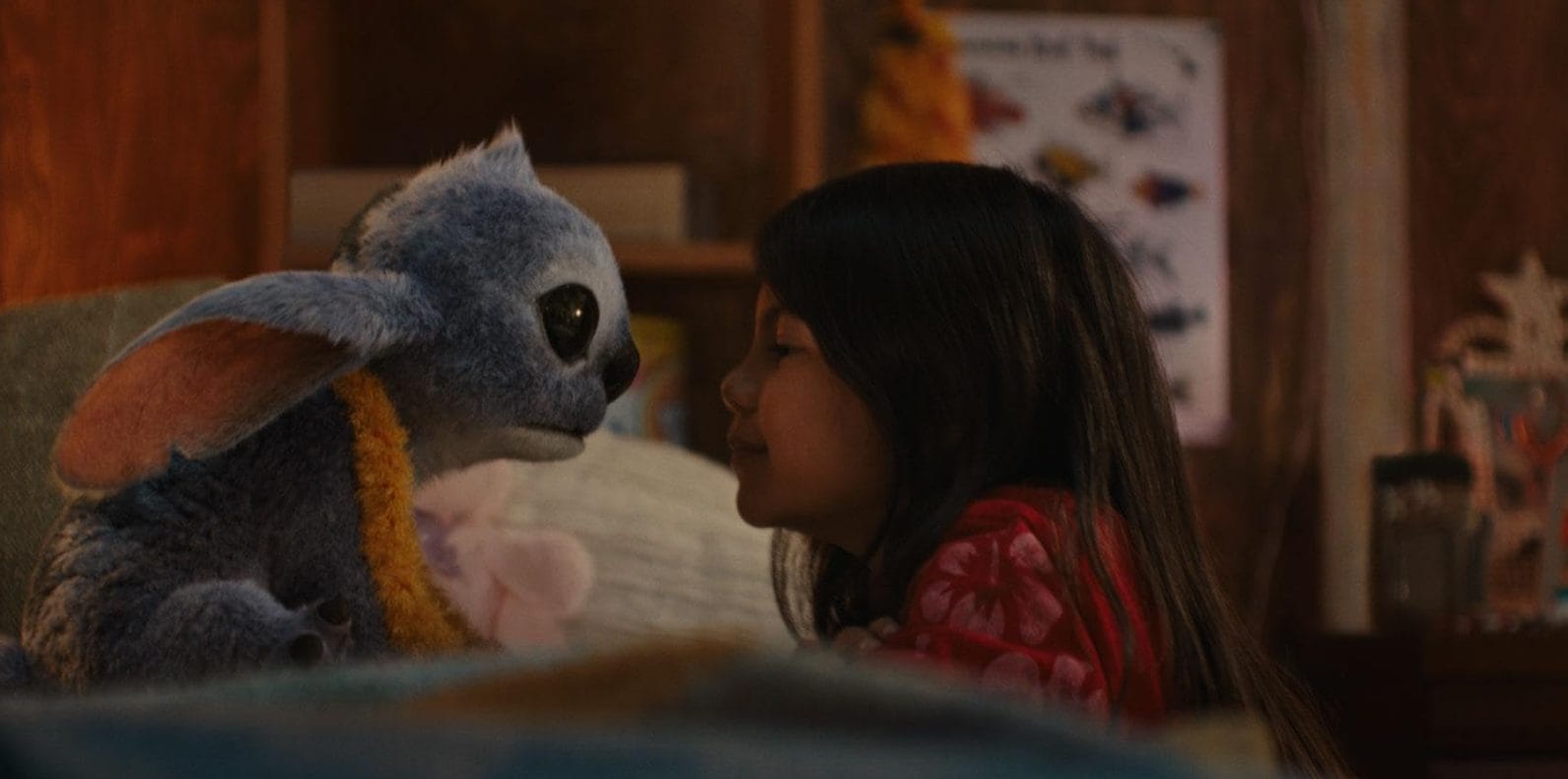
The decision comes after the strong performance of the recent live-action remake, which turned into a major box-office hit following its 2024 theatrical release.
That film turned heads in Hollywood. Released through Walt Disney Studios Motion Pictures, it opened over Memorial Day weekend with US$183 million and went on to cross the billion-dollar mark globally, making it one of the year’s biggest releases. It was originally planned for Disney+ before being moved to cinemas, a shift that clearly worked in its favour.
Sanders himself has a long track record in animation beyond Stitch. He co-directed the original 2002 animated Lilo & Stitch, then worked on major DreamWorks projects, including How to Train Your Dragon and The Croods.
More recently, he directed The Wild Robot, which earned an Oscar nomination and added to his reputation as a consistent force in modern animation.
His history with Disney goes back even further, to the late 1980s, when he joined the studio’s visual development team. Before Lilo & Stitch became a breakout hit, he contributed story work to titles like The Lion King and Mulan, both considered staples of the Disney catalogue.
With Sanders now leading the sequel, the project effectively reconnects the franchise with its original creative roots while building on the commercial momentum of the live-action remake.
Industry reports also note his representation by WME and Lichter, Grossman, Nichols, Feldman, Rogal, Shikora & Clark, reflecting the level of backing behind the production as it moves forward.


