



Phu Quoc enters its low season between July and October, a period marked by reduced tourist flow, calmer seas, and more subdued island activity.
On the island’s western coastline, Regent Phu Quoc is aligning its operations with this seasonal shift through a structured programme titled “An Island Renewed”, which runs across dining, wellness, cultural programming, and leisure activities.
The initiative reflects a broader trend among luxury hospitality operators in Southeast Asia that are increasingly treating monsoon or shoulder seasons as standalone programming windows rather than downtime. At Regent Phu Quoc, the focus is on recurring experiences and fixed weekly formats rather than large-scale events.
Dining Is Structured Around Repetition And Collaboration
Food and beverage programming forms the core of the seasonal framework. At Oku, omakase service under Chef Andy Huynh continues as a constant throughout the period, with menus adapting to seasonal availability and a continued emphasis on technique-driven Japanese and French influences.
The resort is also hosting a series of visiting chef collaborations under its culinary residency programme. These include Chef Tommaso Arrigoni of Locanda La Raia in Italy, whose work is rooted in biodynamic farming and ingredient provenance; a wine-paired dinner centred on Ornellaia; and a collaboration with chefs Marcelo and Guillem from Hom in Phuket, focused on fermentation-led cuisine.
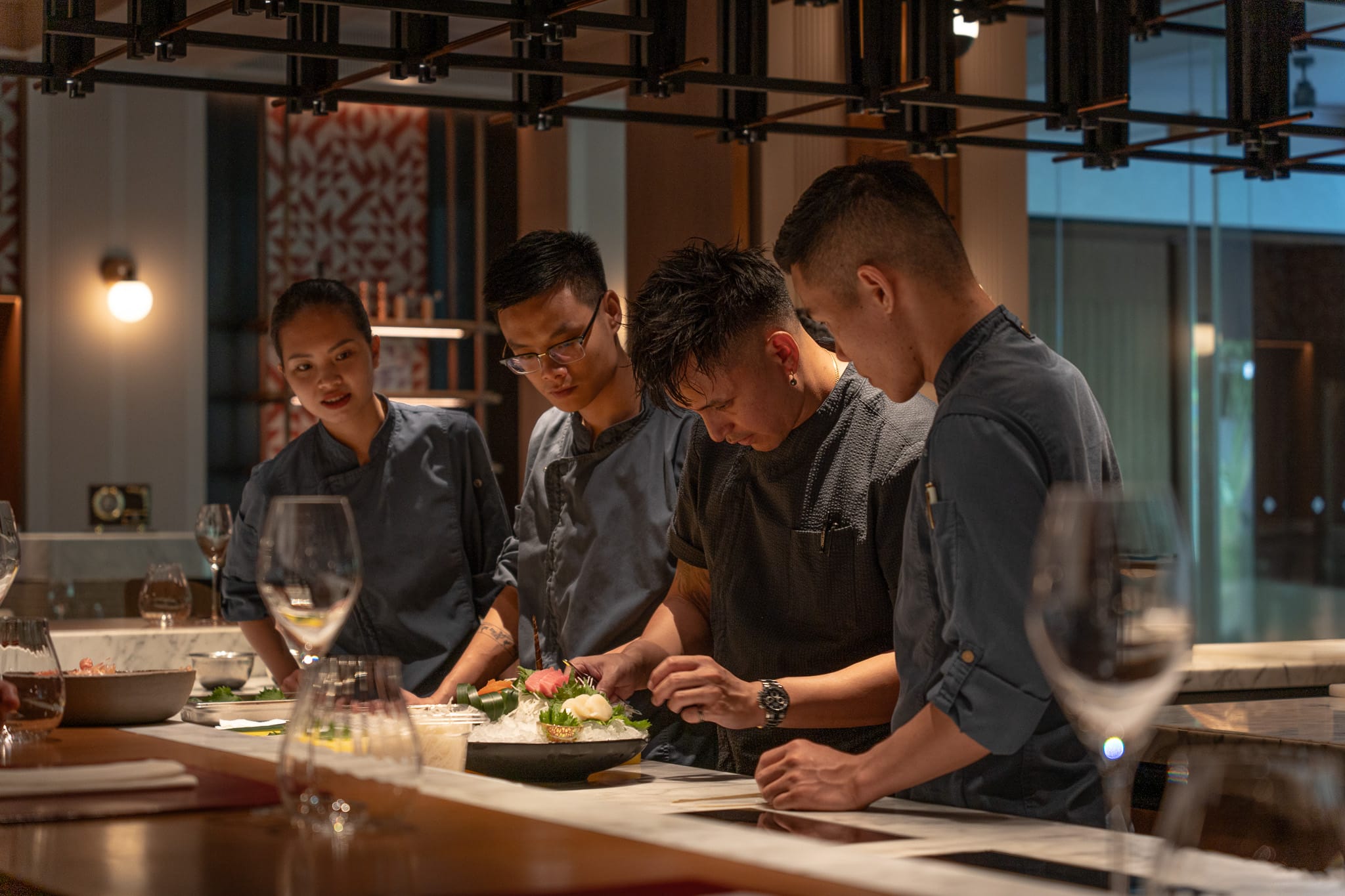
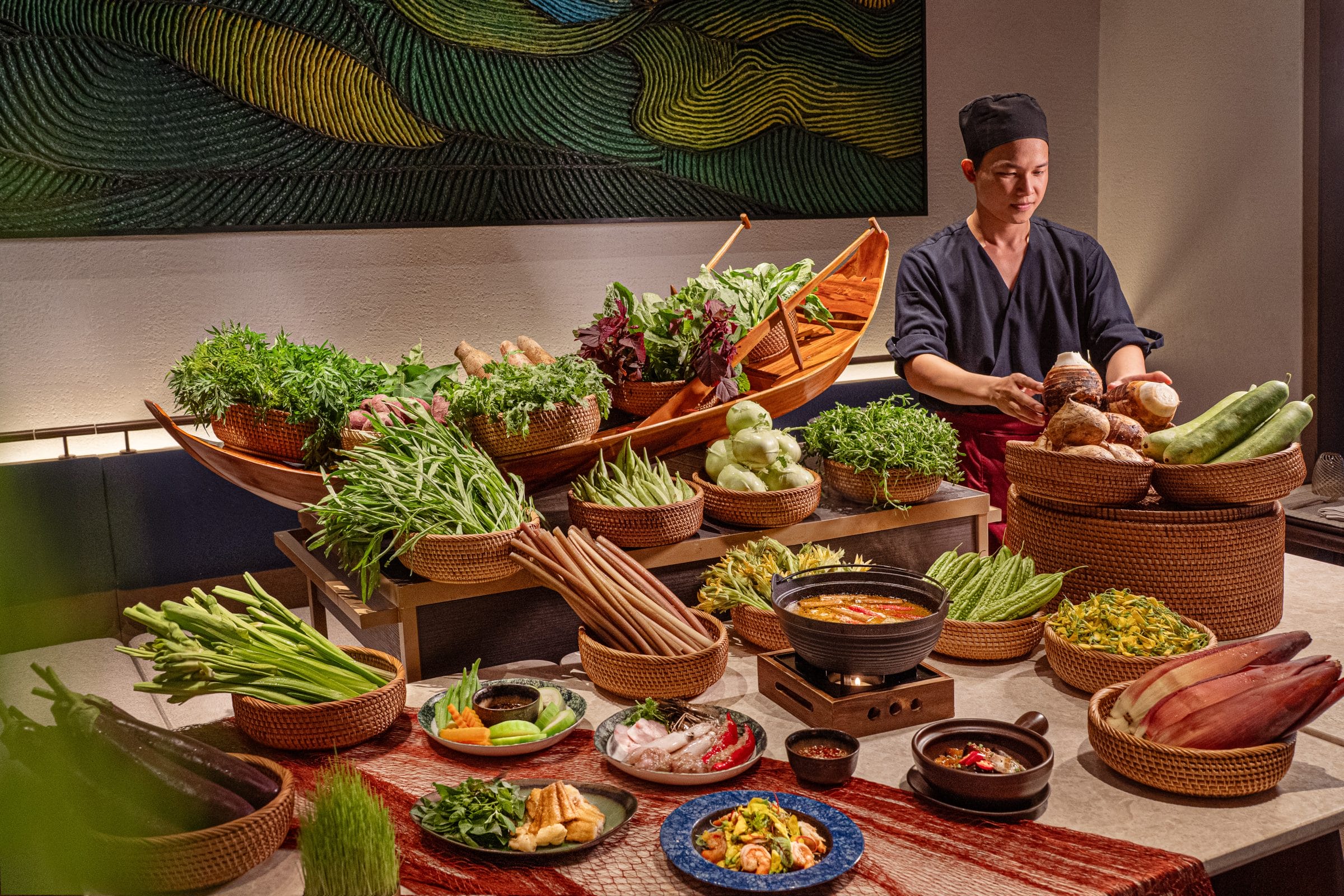
Rather than isolated headline events, these collaborations are distributed across the season and integrated into existing restaurant operations.
At Ocean Club, programming is structured as weekly cycles. Sunday Mediterranean-themed service, twice-weekly grilled meat evenings, and a recurring late-afternoon rosé service define the schedule. The format prioritises consistency over novelty, anchored by beachfront dining and sunset timing.
Rice Market maintains a rotating menu based on Vietnamese coastal and delta cuisine, with a focus on seafood sourcing from nearby regions, including crab, lobster, and seasonal hotpot preparations.
Evening Venues Operate On Distinct Tempo Models
Bar Jade and Fu Bar operate as complementary evening spaces with different service models. Bar Jade offers a low-volume cocktail bar with a focus on classical technique and a subdued atmosphere.
Fu Bar, positioned as an adults-only rooftop venue, is oriented toward sunset viewing and operates primarily within a narrow daily window from late afternoon into early evening. Beverage programming is centred on gin-based cocktails, with minimal entertainment elements beyond the natural setting.
Wellness Programming Based On Structured Rituals
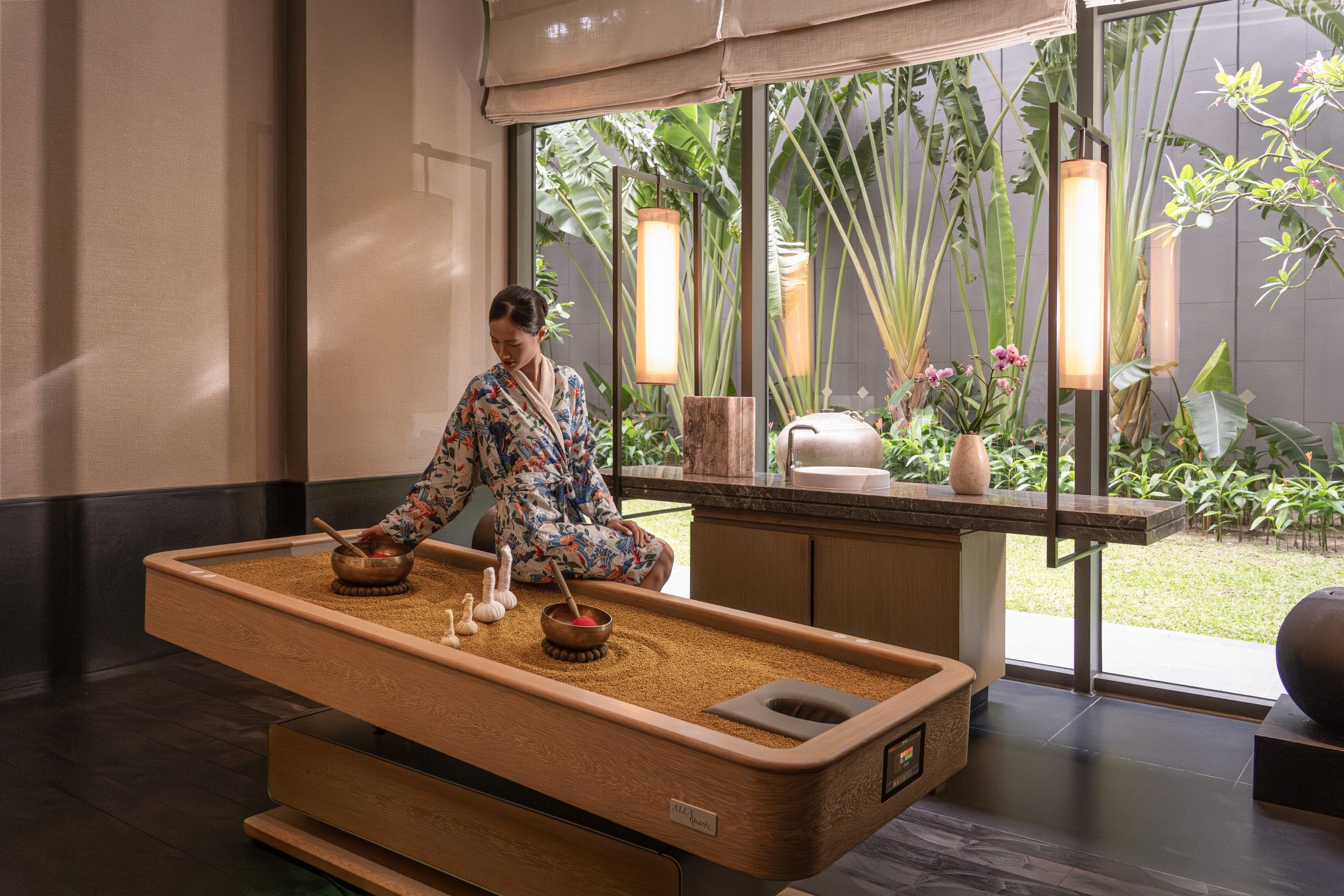
The spa programme is built around repeatable treatments and guided sequences rather than one-off services. The Quartz Earth Ritual is the most complex offering, combining heated quartz sand therapy, mineral body treatments, massage techniques, and sound-based relaxation over a two-hour format.
Additional wellness options include energy therapy, lymphatic drainage treatments, and guided movement sessions such as yoga and meditation. These are positioned within a broader “wellness pathway” framework that encourages multi-session engagement rather than single visits.
Island Access And Cultural Programming
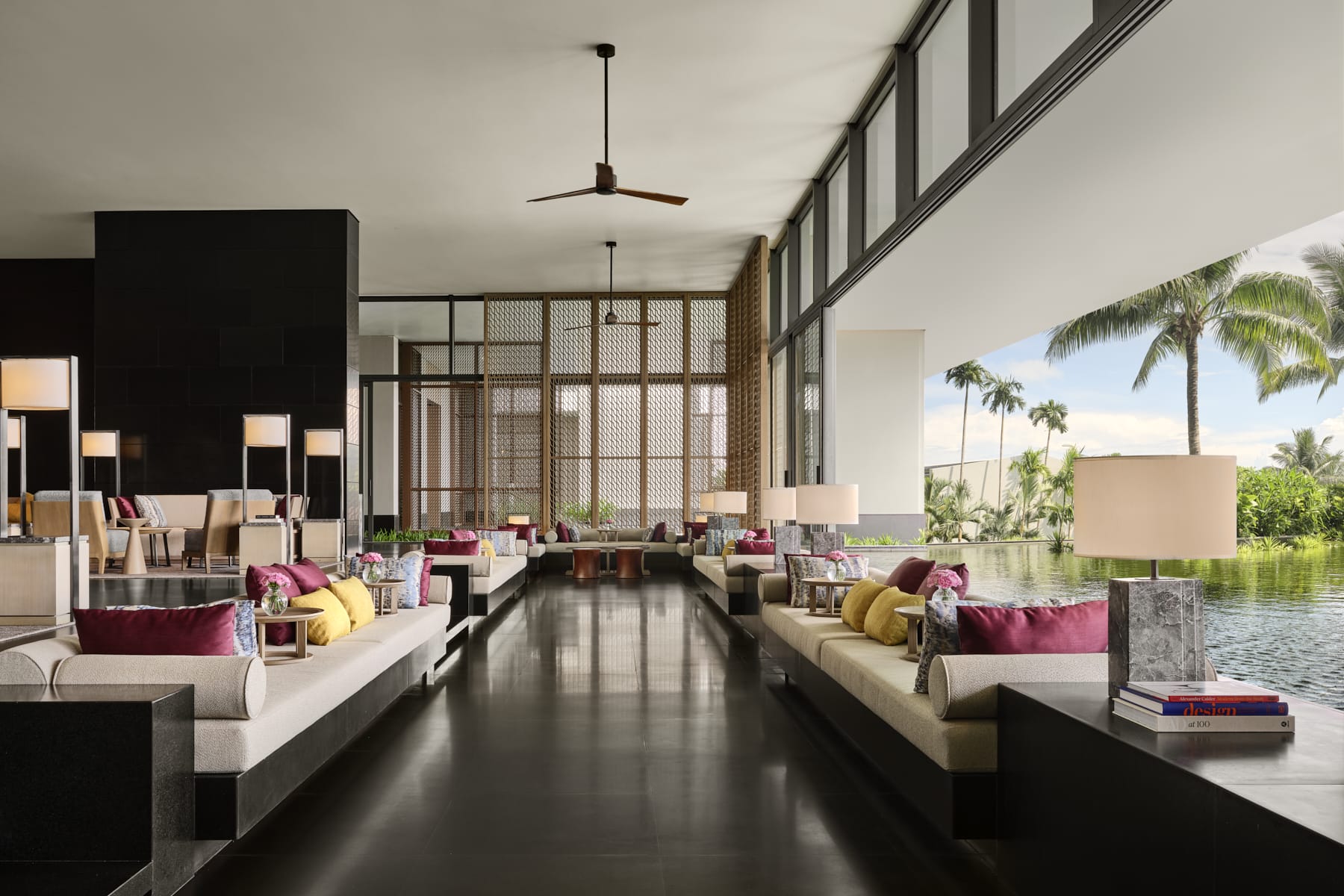
Beyond the resort, activity programming focuses on controlled access to surrounding marine and island environments. Catamaran excursions operate on fixed schedules, offering short coastal routes, sunset cruises, and full-day private charters. The emphasis is on slow travel rather than recreational activity density.
A concurrent cultural programme includes a gallery exhibition by Vietnamese artist Phạm Tuấn Ngọc, featuring lumen print works that explore light and natural environments. The resort’s children’s programme continues with structured educational and cultural activities linked to local heritage.
Across its various components, the programme reflects a shift in how the property positions its low season: as an alternative operating rhythm rather than a period of reduced activity.

