



How Ronaldo, Messi and football’s modern superstars turned talent into global business empires
Football is no longer just a sport. It has evolved into a global industry powered by celebrity branding, broadcasting rights and digital influence. According to the latest Forbes estimates, the world’s highest-paid players now earn sums that rival major multinational corporations through a mix of salaries, bonuses, endorsements and business ventures.
Here are the top five highest-paid footballers in the world based on Forbes annual earnings estimates:
| Rank | Footballer | Estimated Annual Earnings |
|---|---|---|
| 1 | Cristiano Ronaldo | US$280 million |
| 2 | Lionel Messi | US$130 million |
| 3 | Karim Benzema | US$104 million |
| 4 | Kylian Mbappé | US$95 million |
| 5 | Erling Haaland | US$80 million |
The Evolution of the Athlete-Brand
At the top of the list is Cristiano Ronaldo, whose estimated US$280 million annual income highlights his unmatched commercial reach. Even at 41, the Portuguese forward continues to dominate globally through his Al-Nassr contract, CR7 business empire and massive social media presence. His influence stretches far beyond football into fashion, hospitality and digital media.
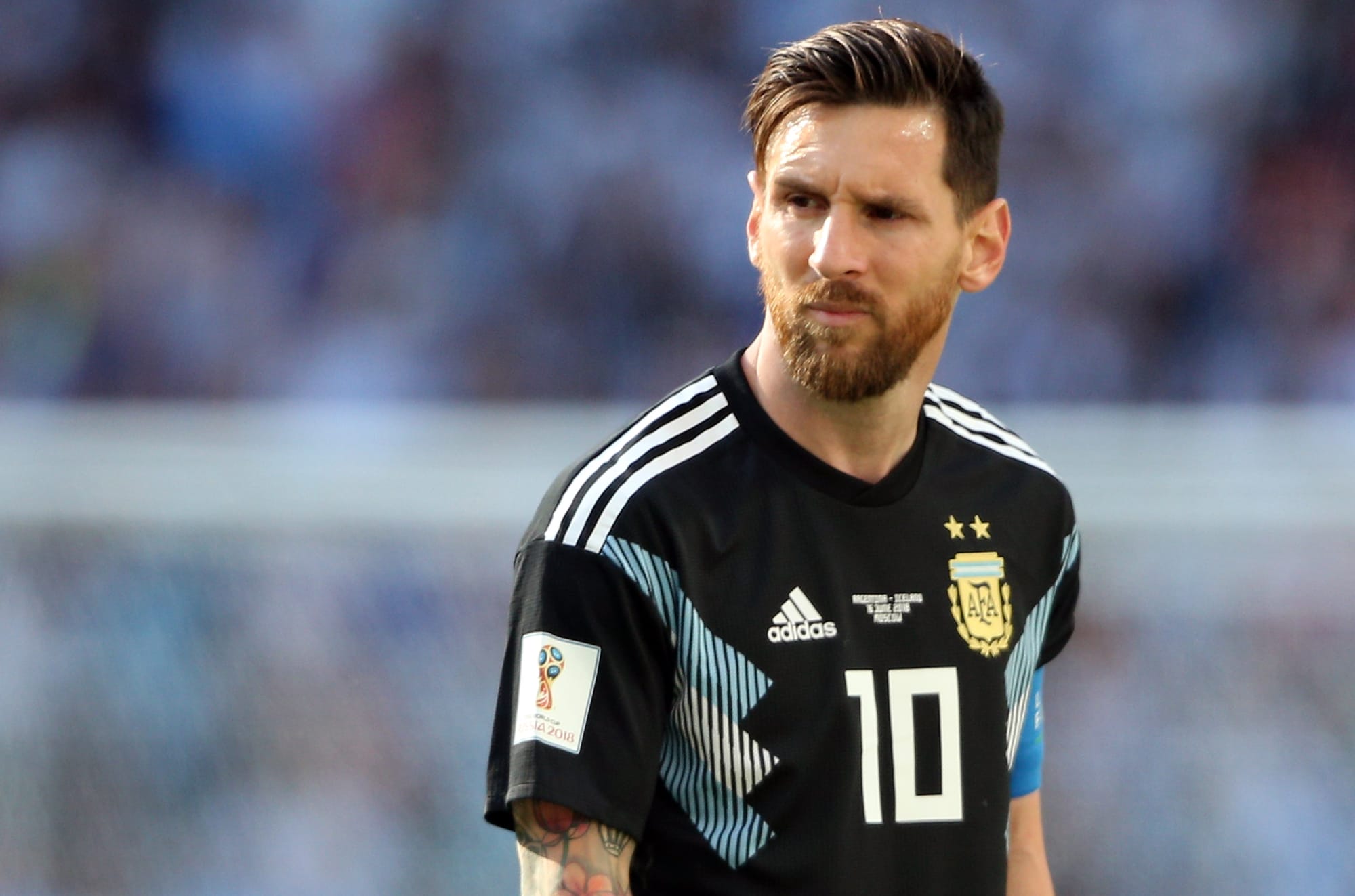
In second place is Lionel Messi, whose move to Inter Miami has significantly boosted football’s profile in the United States while expanding his endorsement portfolio. Partnerships with Adidas, Apple and other global brands underline how elite athletes now operate as fully-fledged commercial entities rather than traditional sports figures.
The rankings also reflect the growing financial power of Middle Eastern football. Karim Benzema, in third place, benefits heavily from his lucrative Saudi Pro League contract, underscoring the region’s aggressive investment in football and its role in reshaping global salary structures.
Younger stars such as Kylian Mbappé and Erling Haaland represent the next phase of football’s commercial evolution. Both combine elite sporting performance with strong global branding appeal, attracting luxury sponsors and massive digital followings. Their rise signals a shift where visibility and personal branding are now as important as performance on the pitch.
Ultimately, the Forbes list highlights a broader transformation in the sport. Today’s leading footballers are not just athletes but global brands and economic powerhouses shaping the future of sport, entertainment and commercial influence worldwide.


