


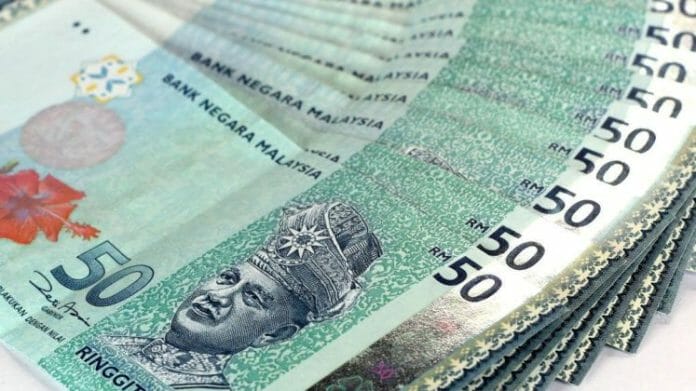
Malaysia and China have increased the use of the ringgit and yuan in bilateral trade to 18% of total transactions, up from less than 5% previously, as both countries seek to reduce exposure to global economic shocks.
Prime Minister Datuk Seri Anwar Ibrahim said the increased use of local currencies reflects growing economic cooperation between Malaysia and China, while stressing that the move is not aimed at replacing the US dollar.
“De-dollarisation is not necessarily the objective, as the US dollar remains important in global financial transactions. However, we have increasingly used local currencies, namely the yuan and ringgit, in many of our trade transactions,” he said.
Anwar said the Malaysia-China partnership has expanded beyond diplomatic ties into broader economic and technology collaboration aimed at delivering greater benefits to both countries.
He also revealed that he had accepted an invitation from Chinese Premier Li Qiang to jointly officiate a major technology conference in Shanghai.
On the global economy, Anwar said the current international financial system remains heavily reliant on the US dollar and has historically favoured multinational corporations over small and medium-sized enterprises (SMEs).
He cited the 2008 global financial crisis as an example of how financial shocks originating in the United States could rapidly spill over to economies with little direct involvement, while warning that ongoing geopolitical uncertainties continue to pose risks to global growth.
To strengthen economic resilience, Anwar called for greater innovation in the financial sector to reduce vulnerability to external shocks and expand access to financing, particularly for SMEs and microenterprises.

