


Southeast Asia could face mounting food security challenges in the second half of 2026 as geopolitical disruptions to fertiliser supplies combine with the return of El Niño, according to OCBC’s latest commodities outlook.
The bank said the twin risks could raise agricultural production costs, disrupt planting schedules and eventually feed into higher food prices across the region, although the impact is expected to vary significantly among countries.
OCBC noted that while ASEAN-5 countries collectively source around 10% to 13% of their fertiliser imports by value from the Gulf Cooperation Council (GCC) countries and Iran, the region’s exposure is uneven.
Thailand is the most vulnerable, with about 31% of its fertiliser imports coming from the Gulf and Iran, compared with approximately 3% for Malaysia, 6% for the Philippines, and minimal reliance by Indonesia and Vietnam. Thailand imported about US$796 million worth of fertilisers from the region, versus US$30 million for Malaysia.
The report said recent disruptions around the Strait of Hormuz have transformed the issue from purely a pricing concern into a logistics challenge, as fertiliser producers reroute shipments through alternative ports, increasing freight, handling and storage costs.
Nitrogen fertilisers are particularly exposed because production depends heavily on natural gas, while delays in deliveries during planting seasons could affect farmers’ ability to secure supplies at affordable prices and on time.
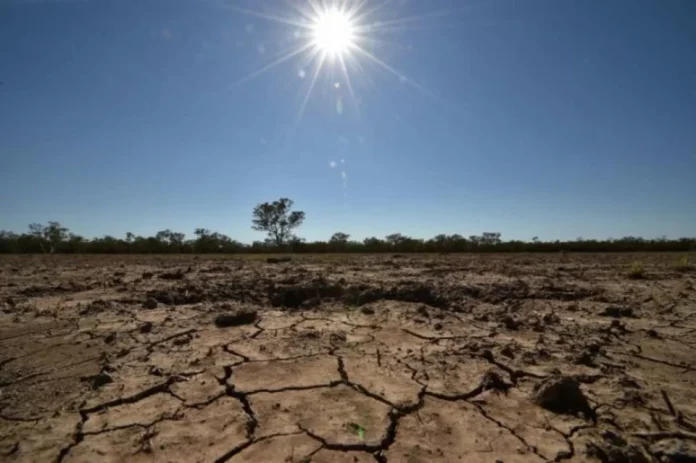
Beyond fertiliser costs, OCBC warned that strengthening El Niño conditions pose an additional threat to agricultural production.
According to forecasts cited from the US National Oceanic and Atmospheric Administration (NOAA), El Niño conditions are already present and are expected to strengthen into the Northern Hemisphere winter of 2026-2027, increasing the likelihood of hotter and drier weather across parts of Southeast Asia.
The bank said rice remains the most closely watched crop because of its political and economic importance, although ASEAN currently enters this period with relatively healthy rice inventories and self-sufficiency levels.
However, historical data from the 2015-2016 El Niño episode illustrate the potential risks. During that period, ASEAN-5 rice production fell 3.2% in 2015 and a further 6.9% in 2016, leaving output nearly 10% below 2014 levels. Sugar production also declined sharply, while palm oil yields were affected with a lag following prolonged dry weather.
OCBC also highlighted varying food security profiles across ASEAN.
While the region remains broadly self-sufficient in rice, sugar and cassava, maize production remains structurally insufficient, with a self-sufficiency ratio of just over 71%. Since maize is a key livestock feed ingredient, higher production or import costs could eventually filter through to poultry, livestock and egg prices. Malaysia and the Philippines also remain less self-sufficient in rice than the regional average, making them more vulnerable should regional supply tighten.
Although food inflation has remained relatively contained in Malaysia and Thailand, compared with stronger food price increases in countries such as the Philippines, Vietnam and Indonesia, OCBC expects cost pressures to emerge gradually rather than immediately.
The bank noted that governments across the region are responding differently, ranging from import management and buffer stock releases to fertiliser subsidies and drought preparedness measures.
Looking ahead, OCBC said strengthening agricultural resilience will require more than ensuring adequate harvests.
The report recommended diversifying fertiliser supply sources, improving domestic production where feasible, enhancing fertiliser-use efficiency, and strengthening regional cooperation to secure timely access to critical agricultural inputs during planting seasons.

