


Malaysia is positioning itself as Southeast Asia’s leading maritime hub through the development of the Third Terminal at Port Klang in Pulau Carey, Selangor, a mega project expected to take around 20 years to complete.
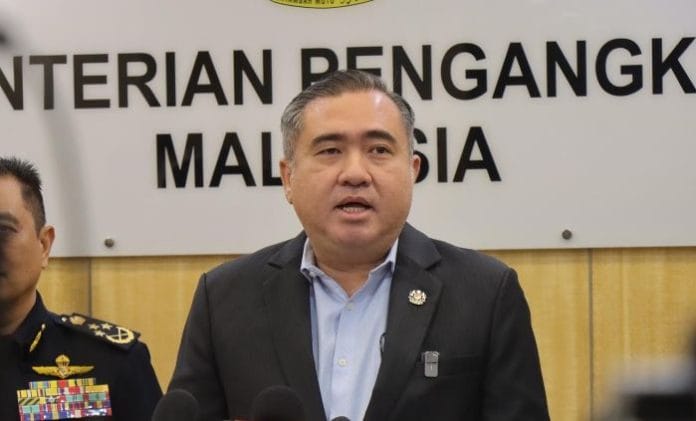
Transport Minister Anthony Loke Siew Fook said the phased development is critical to ensuring Malaysia remains competitive in the maritime sector over the next two to three decades.
He said Port Klang currently has an annual handling capacity of 15.14 million twenty-foot equivalent units (TEUs), significantly lower than Singapore’s Tuas Port, which can process up to 60 million TEUs a year.
“Tuas Port is three times larger than the existing Port Klang. If we want to compete, we need the capacity and infrastructure to match,” he said.
“The Pulau Carey development will transform Port Klang into a mega port capable of handling much larger TEU volumes. This is essential to strengthen Malaysia’s competitiveness in the years ahead,” he added.
Loke said the project’s feasibility study, which began in 2018, has been completed, while the Cabinet has given in-principle approval for the project to proceed under a public-private partnership (PPP) model.
He said discussions with the Selangor government are ongoing to resolve several land-related issues before construction can begin.
“Once the land matters are settled, we will kick-start the project as soon as possible,” he said.
On March 11, Loke announced that the government had approved the Port Klang Third Terminal project to strengthen Malaysia’s economic position and enhance its standing in the ports and logistics sector.
On geopolitical tensions in the Middle East, Loke said Malaysia’s strategic location has made its ports a safe haven for global shipping.
He said the ongoing conflicts have not disrupted operations at local ports, with both Port Klang and Port of Tanjung Pelepas (PTP) recording positive cargo volume growth in the first quarter of the year.
“While geopolitical uncertainty is a global challenge, it also presents opportunities for ASEAN ports, especially Malaysia, as more transshipment activities are shifting here due to safety considerations,” he said.
Loke also called for closer cooperation among ASEAN member states to preserve neutrality and ensure the security of the Strait of Malacca, keeping one of the world’s busiest trade routes free from conflict.


