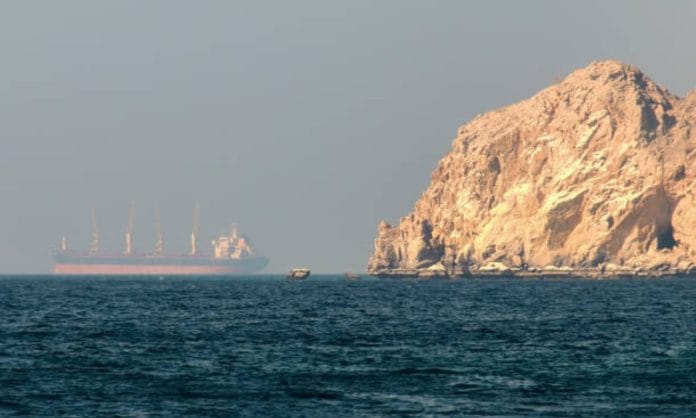
Oil prices climbed more than 3% on Monday after renewed military strikes between the US and Iran heightened concerns over energy supplies moving through the Strait of Hormuz, one of the world’s most important oil shipping routes.
Brent crude rose US$2.34, or 3.08%, to US$78.35 a barrel, while US West Texas Intermediate (WTI) crude gained US$2.21, or 3.09%, to US$73.62.
The latest rally followed an escalation over the weekend, with Iran extending strikes on Qatar and the United Arab Emirates after fresh US attacks on Iranian targets, renewing uncertainty over regional stability and oil exports.
The situation has also cast doubt on the future of an interim US-Iran agreement reached last month, which aimed to reopen the Strait of Hormuz and pave the way for further negotiations. Despite US President Donald Trump’s assurance that the waterway remains open to commercial traffic, Iran said it had closed the strait after a vessel allegedly travelled along an unauthorised route and was struck.
Shipping activity has already shown signs of slowing, with data from Kpler indicating only six vessels transited the strait on Sunday, the lowest level recorded in five weeks.
The International Energy Agency (IEA) said global oil supply increased by 4.1 million barrels per day in June following the interim agreement, although output remained 9.4 million barrels per day below pre-war levels.
ANZ analysts said hopes of a quick resolution to recent hostilities had faded after tensions intensified over the weekend.
IG market analyst Tony Sycamore said the relatively modest rise in oil prices suggested traders still viewed the latest attacks as an escalation within an already fragile truce rather than a complete collapse of the ceasefire.
“How accurate that view is remains to be seen,” he said.
The latest price surge comes after oil ended last week on a softer note amid hopes shipping through the Strait of Hormuz would continue uninterrupted.