


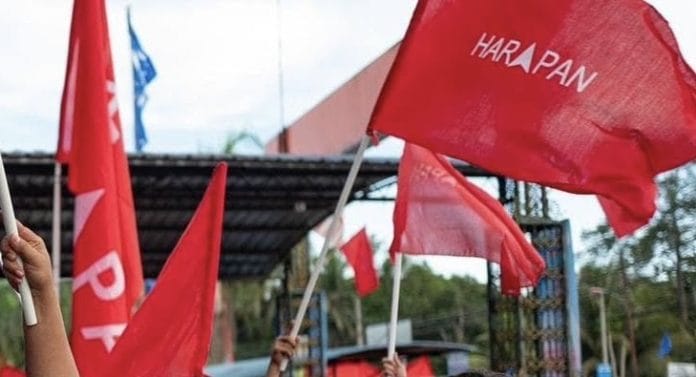
Pakatan Harapan’s (PH) defeat in the Negeri Sembilan state election, following setbacks in Sabah and Johor, could signal a deeper structural realignment in Malaysian politics rather than a series of isolated losses, political analyst Dr Ahmad Zaharuddin Sani said.
He warned that PH is no longer entering elections as the coalition of hope and reform that swept to power in 2018, but as an incumbent increasingly judged by rising living costs, stagnant wages and weakening public confidence.
“Governments do not lose elections because voters stop believing in reform. They lose because voters stop believing reform will improve their lives,” he said.
Dr Ahmad Zaharuddin identified three major trends behind PH’s declining electoral momentum: Accelerating Malay political consolidation, weakening enthusiasm within its traditional support base and the growing dominance of economic concerns over institutional reform.
He said Malay-majority constituencies were increasingly rallying behind parties seen as prioritising ethnic security, religious identity and economic protection, exposing PH’s continued struggle to convince many Malay voters that it represents their political aspirations.
At the same time, declining turnout in Chinese-majority constituencies should be a greater concern for DAP than direct vote switching, he said, as disengaged supporters are often harder to win back.
Economic anxiety has also overtaken governance and reform as the central electoral issue, with households measuring the government’s performance through food prices, wages, housing affordability and disposable income rather than headline economic indicators.
“GDP growth means little if grocery bills keep rising. Record investment means little if wages fail to keep pace with inflation,” he said.
Dr Ahmad Zaharuddin added that PH’s alliance with Barisan Nasional (BN) had delivered parliamentary stability but created electoral ambiguity, weakening PH’s reformist identity without securing a full transfer of BN’s traditional support.
Meanwhile, BN could emerge as the biggest beneficiary of increasingly fragmented politics, strengthening its position as a potential kingmaker ahead of the 16th General Election.
He said the recent state contests may foreshadow a new political order defined by permanent coalition bargaining, ethnic bloc consolidation and fragmented electoral mandates.
“PH still has time to reverse course, but momentum has shifted. If these defeats reflect structural realignment, Sabah, Johor and Negeri Sembilan may be remembered as the opening chapters of PH’s long political goodbye,” he said.

