Anthony Loke’s defeat in Chennah during the Aug 1’s Negeri Sembilan state election and subsequent resignation as Negeri Sembilan DAP chairman may have closed a chapter in his state political career, but analysts say the more consequential question now is whether he can turn the setback into a wider reset for DAP ahead of the 16th General Election (GE16).
Rather than signalling the beginning of Loke’s political decline, his decision to relinquish the state chairmanship could allow him to redirect his attention towards his larger national responsibilities as DAP secretary-general, while forcing the party to confront weaknesses exposed by the Negeri Sembilan polls.
Universiti Teknologi MARA’s Faculty of Law senior lecturer Dr Ikmal Hisham Md Tah said Loke’s defeat should be viewed as a political setback, but not necessarily as a weakening of his position nationally.
He noted that Loke continues to command the unanimous backing of DAP’s central executive committee and remains secretary-general despite losing Chennah and stepping down from the state leadership after 22 years.
“The way forward for Loke is to shift his attention from state level leadership towards rebuilding DAP nationally ahead of GE16,” Ikmal told BusinessToday.
Chennah Sends A Warning
The narrow nature of Loke’s defeat has nevertheless sent a warning that even senior political figures can no longer assume traditionally favourable constituencies will remain secure.
Loke lost Chennah by just 688 votes, a result Ikmal said should prompt DAP to examine why it and Pakatan Harapan lost ground in Negeri Sembilan, particularly among Malay and swing voters.
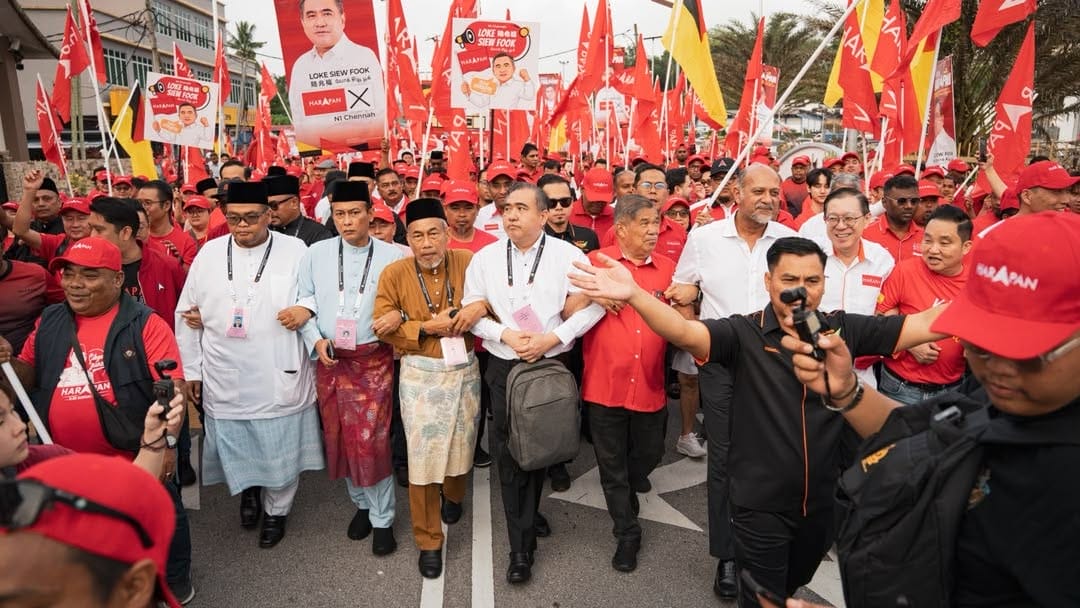
At the same time, the party must ensure that its traditional support base remains politically engaged.
“The loss in Chennah by only 688 votes also provides an important warning that even senior and established leaders can no longer regard traditionally favourable constituencies as secure,” Ikmal said.
The wider electoral picture is equally significant.
PH’s representation in Negeri Sembilan fell from 17 seats in 2023 to just 11, while Barisan Nasional and Perikatan Nasional secured 25 seats collectively.
Ikmal said the result showed that DAP needs a broader electoral strategy instead of relying predominantly on its established support base.
Resignation Seen As Accountability, Not Retreat
Political analyst Dr Ahmad Zaharuddin Sani, meanwhile, said Loke’s decision to step down from the Negeri Sembilan chairmanship carried significance beyond DAP’s internal politics.
He described the move as a rare demonstration of political accountability in Malaysia, where leaders more often attribute electoral losses to campaign machinery, voter sentiment, social media attacks or opponents rather than accepting responsibility for their own leadership.
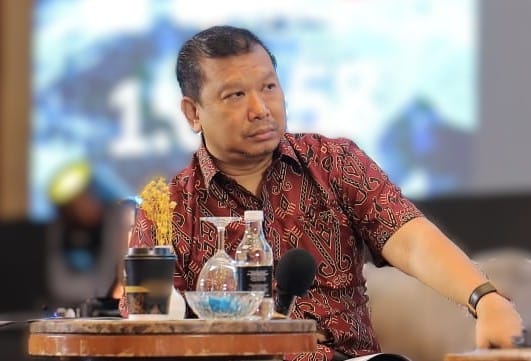
Dr Ahmad Zaharuddin said Loke’s resignation should therefore be viewed as a challenge to Malaysia’s broader political culture.
“Loke’s decision to relinquish his position as the state chairman after the party’s declining performance in the Negeri Sembilan state election is not merely an internal party matter, instead, it is viewed as ‘a moral slap’ to a political culture where accountability has increasingly become scarce,” he said
Importantly, Dr Ahmad Zaharuddin noted that Loke has not relinquished his positions as DAP secretary-general or Transport Minister and continues to wield considerable influence at the national level.
“His decision to step aside at state level creates room for renewal and reinforces the principle that political positions should be treated as responsibilities rather than entitlements.
“Whether the decision was driven by strategic considerations or leadership principles, the message remains the same — positions are not possessions, but trusts for which leaders must be held accountable,” he said.
Bigger Battle Now Moves To GE16
For Loke, both analysts said the immediate challenge now shifts from defending his own seat to addressing the structural weaknesses highlighted by the election.
Ikmal said he does not regard the resignation as the start of Loke’s political exit.

Instead, stepping away from the Negeri Sembilan leadership could give him greater space to focus on his responsibilities as DAP secretary-general and prepare the party for an increasingly competitive national electoral landscape.
“I do not see Loke’s resignation as the beginning of his political exit.
“Instead, it could allow him to concentrate more fully on his bigger responsibility as DAP secretary-general,” Ikmal said.
His real test, Ikmal added, will be whether he can turn the Chennah defeat into “a period of organisational renewal” and reposition DAP before GE16.
That renewal will likely require the party to look beyond its traditional electoral formula and confront why support shifted in constituencies it may previously have considered relatively secure.
The Chennah result has therefore transformed what might have been viewed as a localised defeat into a broader warning for DAP: Political incumbency, seniority and historical support are no longer guarantees of electoral security.
A New Benchmark For Political Accountability?
Meanwhile, Dr Ahmad Zaharuddin said Loke’s resignation should also be seen as setting a wider benchmark for political leaders across party lines.
He argued that resignation following political failure is commonly associated with accountability in mature democracies, but remains relatively unusual in Malaysia, where leaders may remain in senior positions despite repeated electoral setbacks.
“Democracy is not measured solely through free and fair elections. Democracy is also measured through the courage of leaders to hold themselves accountable for their own failures,” Dr Ahmad Zaharuddin said.
For him, Loke’s decision should become the beginning of a broader shift rather than an isolated episode.
“He has set a benchmark, and the bigger question now is: When will the others follow?” Dr Ahmad Zaharuddin said.
For DAP, however, the political consequences will ultimately be judged not by the resignation itself, but by what follows.
Loke’s ability to rebuild support, broaden the party’s electoral appeal and translate the Chennah setback into organisational renewal could determine whether the defeat becomes a turning point or an early warning of a much tougher battle when GE16 arrives.