


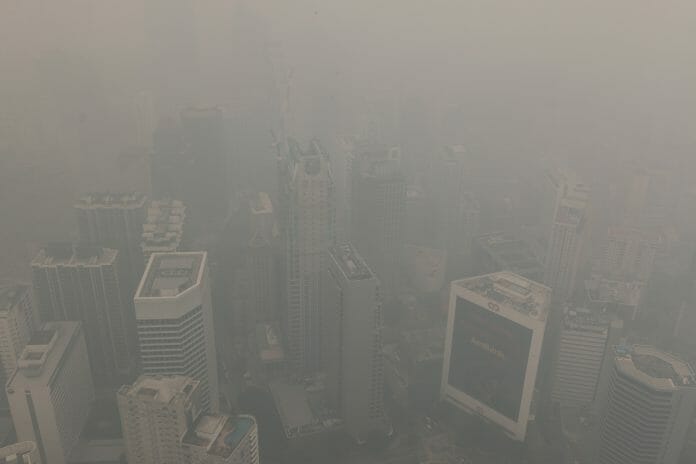
Each year, as haze settles across parts of Malaysia, daily routines begin to shift. Outdoor activities are postponed, masks become essential, and air quality readings are closely monitored. Yet amid these precautions, one important question is often overlooked: how safe is the air inside our homes?
For many Malaysians, particularly those in Sarawak, the haze has once again become difficult to ignore. Recent air quality readings, as reported by the Department of Environment (DOE), have reached unhealthy levels across several parts of the state, including Serian, Kuching, Samarahan, Sri Aman and Bintulu, as haze continues to move across the region.
Furthermore, we see this occurrence now moving into KL, Putrajaya and Selangor. Haze has now hit the ‘Unhealthy’ level, with areas like Cheras, where the Air Pollutant Index (API) reading has reached 122, while Putrajaya recorded 121 and Shah Alam recorded 112.
While staying indoors can help reduce exposure to haze, it does not necessarily keep polluted air out entirely. Fine particles can still make their way into homes through gaps, ventilation, and everyday movement, making indoor air quality another important consideration during periods of poor air quality.
As it returns to Malaysia, fluctuating air quality levels are raising concerns among families about the health risks of polluted air. Though many people choose to focus on outdoor precautions, respiratory experts highlight that indoor spaces can easily be affected as well.
As part of its efforts to raise awareness around indoor air quality during haze season, Nippon Paint Malaysia engaged Dr Parveen to provide a medical perspective on the potential health impact of haze and practical steps Malaysians can take to reduce their exposure at home as part of their focus on healthier indoor environments through solutions such as its Spot-Less Plus Matt and Sheen, which feature AirGuard Technology designed to absorb and neutralise indoor formaldehyde.

“Many people assume they are safe once indoors, but haze particles can still infiltrate the home and linger, especially in spaces with poor ventilation,” says Dr Parveen Kaur, General Practitioner, Klinik Bangsar South. “Prolonged exposure, even at lower levels, can aggravate respiratory conditions such as asthma and bronchitis, and may trigger symptoms in otherwise healthy individuals.”
This concern becomes more pronounced during prolonged haze periods, when homes are kept closed for extended hours. While shutting windows and doors helps reduce the entry of polluted air, it can also trap indoor pollutants, ranging from fine particulate matter to chemicals released by furniture, fabrics, and building materials. In other words, protection during haze season is not only about keeping pollution out, but also about managing what stays inside the home.
Who Should Be Most Careful?
While haze can affect everyone, certain groups may be more vulnerable to its health effects. Children, older adults and those with pre-existing respiratory conditions such as asthma and bronchitis are among those who may require greater care during periods of poor air quality.
Families should also pay attention to signs that haze may be affecting their health. According to the Ministry of Health Malaysia, continued exposure to haze may cause symptoms including coughing and difficulty breathing or shortness of breath, with those experiencing such symptoms advised to seek medical attention.
How Pollutants Enter the Home
Part of the challenge lies in how easily haze pollutants can enter and accumulate within indoor environments. Fine particles, particularly PM2.5, are small enough to pass through gaps around windows and doors, ventilation systems, and even be carried indoors on clothing and footwear. Once inside, these particles do not simply disappear; they settle on surfaces and can be reintroduced into the air through everyday movement.
As a result, maintaining indoor air quality during haze season requires a more holistic approach. While measures such as keeping windows closed during peak pollution periods and cleaning surfaces regularly remain important, they may not be sufficient on their own, especially when homes are sealed for long durations. For homeowners, protection during haze season should not stop at masks and closed windows; it should also include thoughtful choices about the indoor environment itself.
Simple Steps to Protect Indoor Air During Haze
Increasingly, attention is turning to the role that the built environment itself plays in shaping indoor air quality. Materials used within the home, from furnishings to wall finishes, can influence how pollutants behave indoors.
At the same time, consistent everyday habits can significantly reduce exposure. Dr Parveen recommend these practical precautions for homeowners:
- Monitor air quality regularly: Check the Air Pollutant Index (API) regularly and limit outdoor activities when levels are high
- Keep windows closed during peak haze periods: Helps to limit polluted air from entering the home
- Clean surfaces regularly: Dust and wipe surfaces to remove particles that settle indoors
- Ventilate when outdoor air improves: Allow fresh air circulation when haze levels decrease
- Reduce indoor pollutants: Avoid smoking or burning materials indoors that may worsen air quality
These small but deliberate actions reflect a broader shift in how Malaysians are beginning to think about their living spaces. Where home improvement was once driven largely by aesthetics, there is now a growing emphasis on functionality, protection, and long-term wellbeing. The home is no longer seen purely as a place of comfort, but as an environment that plays an active role in supporting health.
“During haze season, reducing total exposure is key,” says Dr Parveen. “That means creating an indoor environment where your lungs can recover from what you’re exposed to outside. Your home should function as a place of protection, not just shelter.”
This growing awareness has also led homeowners to pay closer attention to the materials used within their homes, particularly during haze season, when families spend extended periods indoors. Maintaining a healthy indoor environment becomes even more critical as windows remain closed and air circulation is limited.
Indoor air quality is influenced by more than just outside pollution. Everyday household items — especially new or lower-quality furniture, furnishings, and household products — can also emit formaldehyde and other volatile organic compounds (VOCs) that build up indoors over time. As these sources collectively contribute to indoor VOC levels, homeowners are increasingly paying closer attention to the materials they choose for the spaces their families use every day, including paint.
“Paint becomes more than just a decorative choice,” said Tay Sze Tuck, the General Manager of Nippon Paint Malaysia. “At Nippon Paint, innovation is at the core of how we respond to evolving homeowner needs, especially when it comes to indoor air quality. With the launch of our Spot-Less Plus series, we introduced solutions designed not just for aesthetics, but for healthier living environments. The Spot-Less Plus Matt and Sheen range features our AirGuard Technology, which helps absorb and neutralise indoor formaldehyde and other VOCs over time, making it particularly relevant during haze periods, when homes are kept sealed, and indoor air quality becomes an even greater concern.”
As haze season continues to shape how Malaysians think about health at home, creating a safer indoor environment is becoming more important than ever. For more information on Nippon Paint’s VirusGuard and Spot-Less Plus series, visit Nippon Paint Malaysia.


