


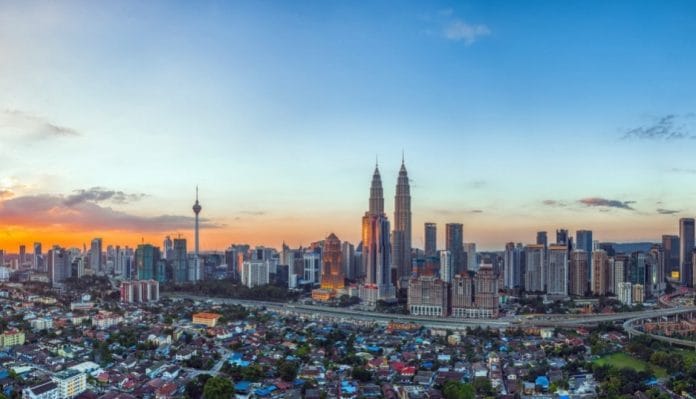
Malaysia is projected to record average annual GDP growth of 4.3% between 2026 and 2035, supported by its strong trade position and investment opportunities in semiconductors, data centres and artificial intelligence (AI), according to a new report.
The “From Tailwinds to Trade-Offs: Southeast Asia Outlook 2026-2035” report by Bain & Company, DBS Bank and Vriens & Partners projects Southeast Asia’s six largest economies, known as SEA-6, to grow by an average of 4.8% annually over the same period.
The SEA-6 economies comprise Indonesia, Malaysia, the Philippines, Singapore, Thailand and Vietnam.
The report said regional growth would be supported by sustained foreign investment and capital formation, continued industrialisation and infrastructure development as well as productivity gains from technology adoption.
“Growth will be supported by sustained foreign investment and capital formation, continued industrialisation and infrastructure development, as well as productivity gains from technology adoption. Resilient domestic consumption and favourable demographics in several of the larger economies will provide further impetus,” the three firms said in a joint statement.
For Malaysia, the report highlighted its trade position alongside potential upside from the continued expansion of semiconductor manufacturing, data centres and AI-related investment.
It said global conditions would set the boundaries for Southeast Asia’s growth over the next decade, while domestic policy choices would influence how individual economies perform.
The report also noted that the region’s economies remain closely connected through trade, investment, supply chains, energy and technology, despite having different domestic priorities.
Singapore was highlighted as the region’s most resilient economy, supported by its safe-haven status, deep financial markets, fiscal buffers and position as a trusted regional hub.
The republic attracted more than 60% of Southeast Asia’s FDI and remains a major source of investment into Indonesia, Malaysia, Thailand and Vietnam.
The report said Singapore’s role as a regional capital hub allows it to connect global capital and capabilities with businesses and opportunities across Southeast Asia, reinforcing the economic interdependence between Singapore and the wider region.


