


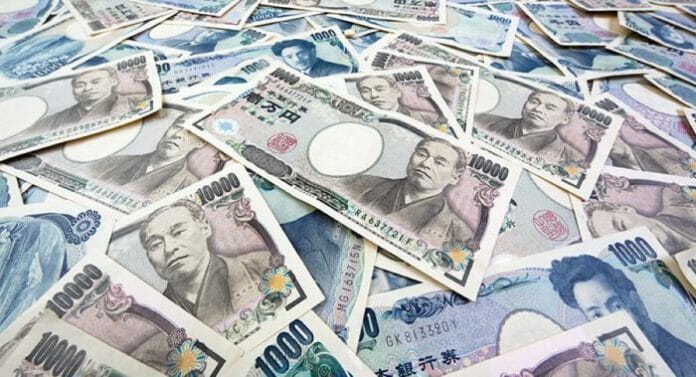
The Japanese yen sank to its weakest level in more than two weeks on Sept 18 despite the Bank of Japan (BOJ) raising interest rates, as investors digested a hawkish shift from the US Federal Reserve (Fed) and questioned whether Japan’s tightening was aggressive enough to support the currency.
Reuters reported that the yen weakened as much as 0.8% to 157.145 per US dollar, its lowest since Sept 3, while falling by a similar margin against the euro to 180.32.
The decline came even as the BOJ lifted its policy rate by 25 basis points to 1.25%, the highest in 31 years and its first increase in three months. The decision was passed by a 7-2 vote, with two board members favouring no change.
The yen’s latest weakness also followed the Fed’s first rate increase in more than three years.
The Fed raised its benchmark rate by 25 basis points to a range of 3.75% to 4% this week and signalled that further tightening could follow as policymakers seek to bring inflation back towards the central bank’s 2% target.
Markets are already pricing a 53% probability of another quarter-point Fed hike next month, sharply higher than 27.2% a week earlier, according to CME FedWatch data cited by Reuters.
That prospect could keep the interest-rate gap between the US and Japan wide despite the BOJ’s latest move, maintaining pressure on the yen.
Japan’s core inflation, meanwhile, held near the BOJ’s 2% target in August, keeping attention on Governor Kazuo Ueda for signals on how quickly the central bank could raise rates again.


