



Rolls-Royce has begun global testing of Project Nightingale, its latest Coachbuild Collection limited to 100 client motor cars.
Announced in April, Project Nightingale combines Rolls-Royce’s coachbuilding programme with an all-electric powertrain. The testing programme will span 350 collective weeks as engineers prepare the cars for use in different climates and conditions around the world.
Testing has now started in Southern Europe, where Rolls-Royce first developed its early endurance testing methods more than a century ago. The programme will later take prototypes from the Mediterranean to the Arctic Circle and the deserts of the Arabian Peninsula, with testing at altitudes of up to 2,750 metres.
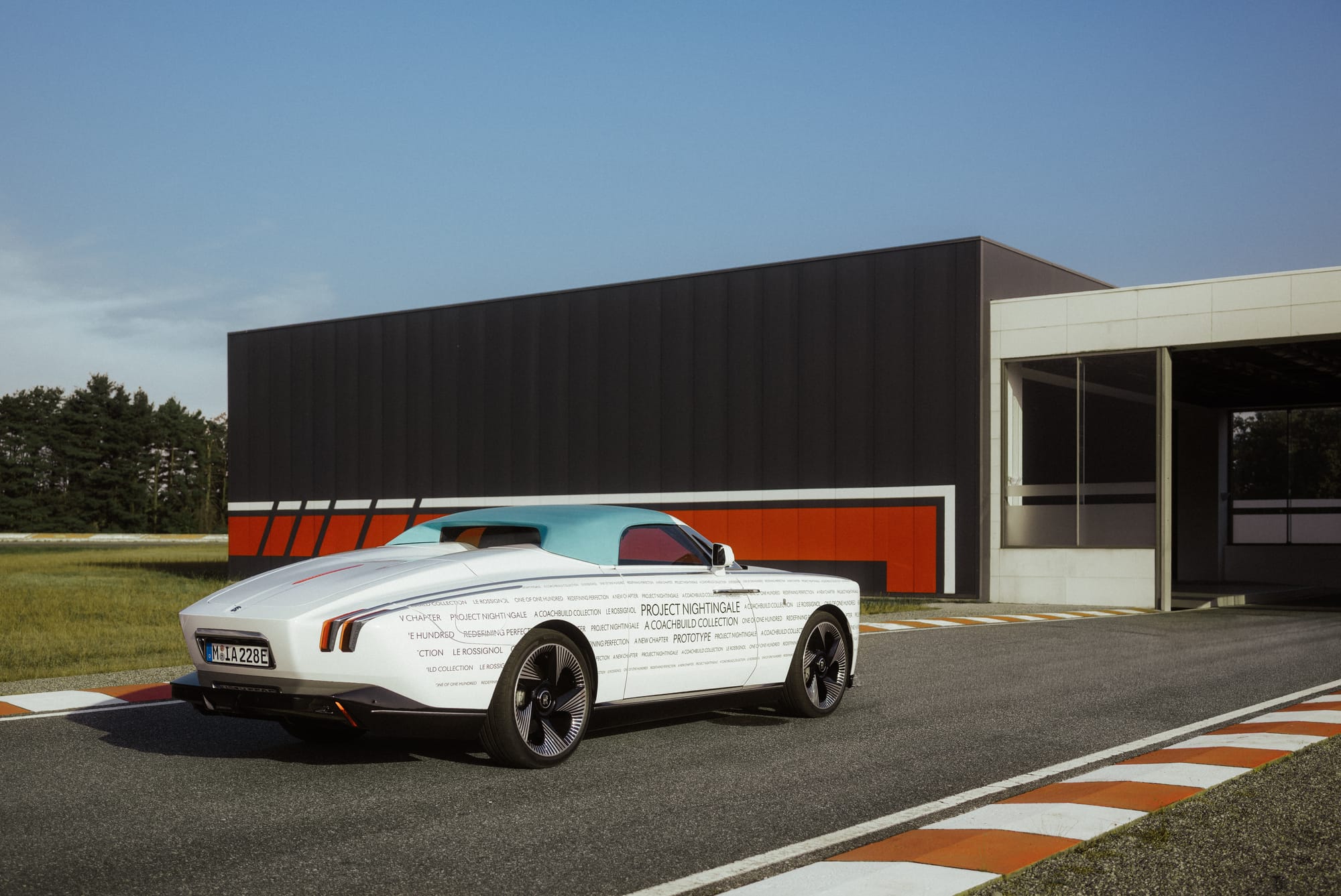
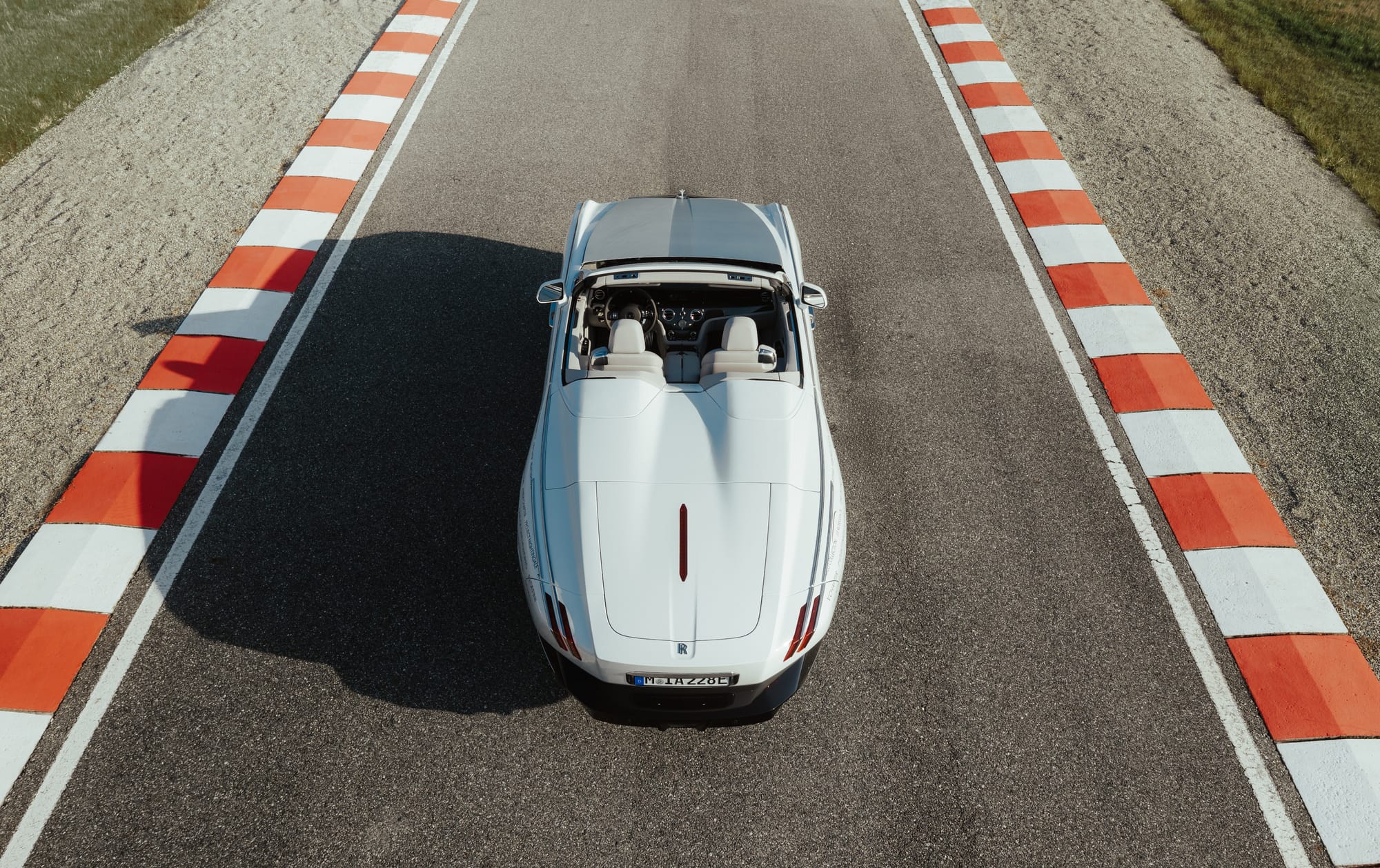
Before the road testing began, Project Nightingale had already undergone more than 1,430 hours of aerodynamic modelling, digital simulations and wind tunnel testing. The prototypes will now be tested at speeds of up to 155 mph at a private high-speed facility.
Engineers will also focus on reducing wind noise and interior turbulence. A new fully electric wind deflector will be tested at different speeds, while the roof will undergo 10 separate tests covering its fabric, mechanism and performance at temperatures of up to 80°C.
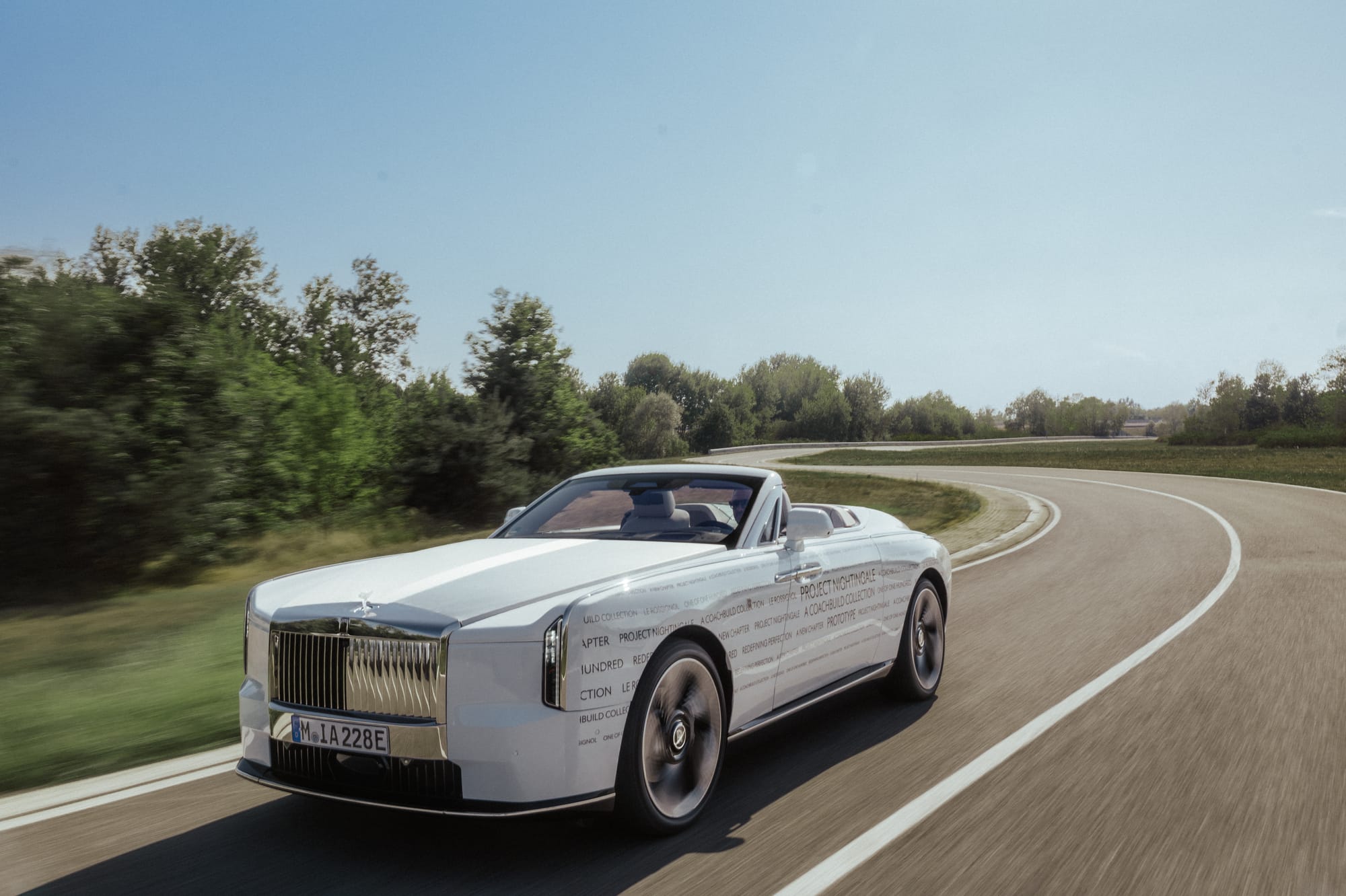
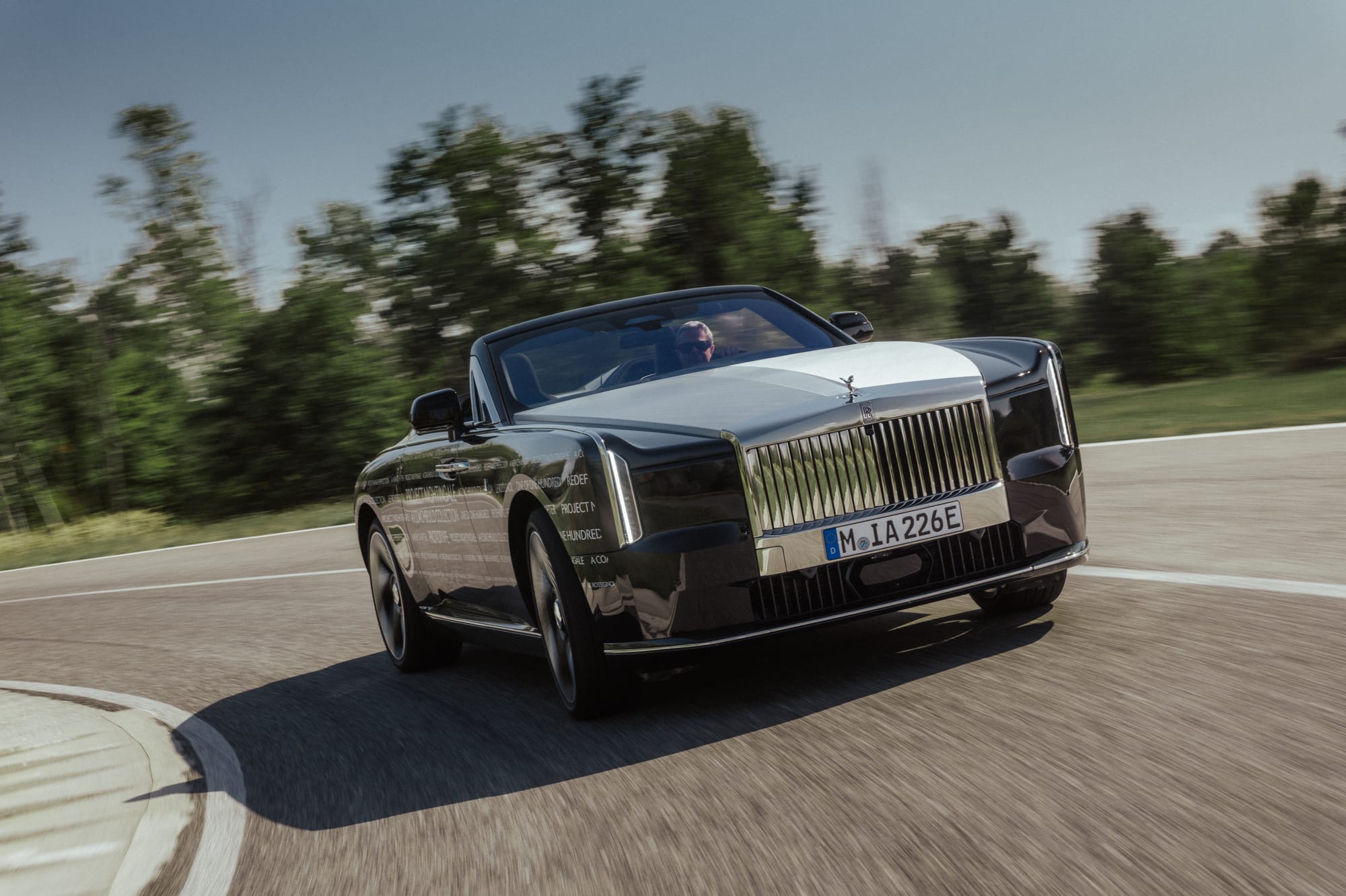
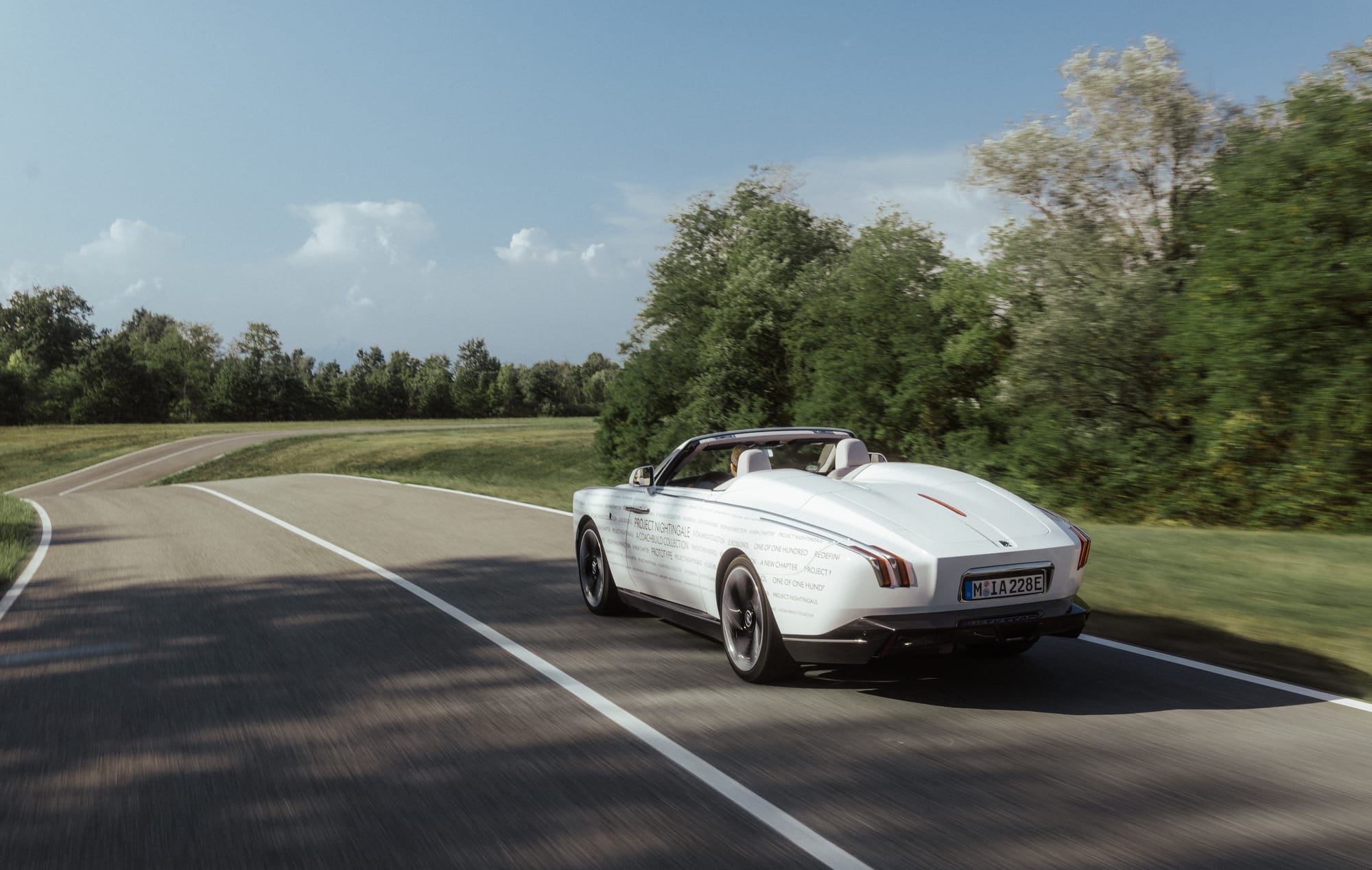
Another test centres on the car’s Piano Boot, a sideways-opening cantilever boot that is being introduced on a Rolls-Royce for the first time. It will be opened and closed up to 15,000 times to assess its durability and operation over repeated use.
The name Project Nightingale also has a link to Southern France. It comes from Le Rossignol, French for “the nightingale”, the name of the house built by Henry Royce for his designers and engineers near his winter home on the French Riviera.
The current testing programme follows almost three years of development. Rolls-Royce says engineers will use both recorded data and their own assessment to determine whether the car meets the required standards before production begins.


