


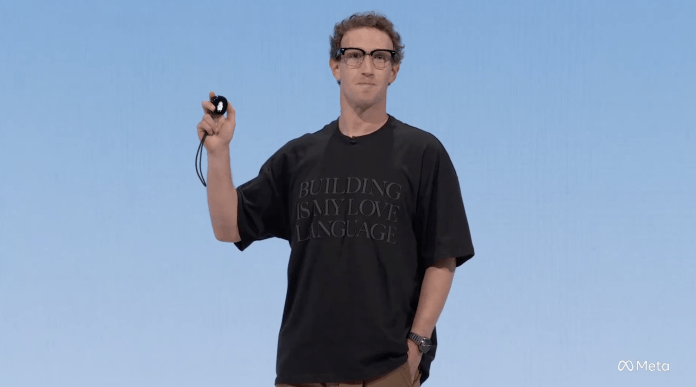
Meta has unveiled a new handheld AI device called Meta Charm alongside new virtual reality and smart glasses products as it expands its push into AI-powered hardware.
Chief executive Mark Zuckerberg introduced Charm at the company’s annual device event in Menlo Park, California, on Wednesday. The device is about the size of an Apple AirPods case and is designed to provide access to Meta’s Muse AI assistant.
Meta said Charm is expected to ship in December for the holiday season, although it has not disclosed pricing.
The company also introduced Meta VR Glasses, priced at US$1,299 and scheduled to launch in spring 2027. The glasses are designed to work with a VR console and use eye, voice and hand gestures.
Meta said the device weighs about as much as a deck of playing cards, with its battery and processor housed in a separate puck to reduce the weight of the headset.
The company is betting the lighter design can help bring virtual reality to a wider audience after high prices and bulky headsets have limited adoption.

Meta is also expanding Muse across its smart glasses range, with new capabilities including computer use and integration with retailers and services such as Walmart, Best Buy and Gap.
Muse will become the primary interface for Meta’s glasses, allowing users to shop, make appointments and carry out other tasks through voice commands.
The company also unveiled Ray-Ban Meta Audio, a new pair of camera-free smart glasses developed with EssilorLuxottica. They will go on sale from Oct 13 at US$349, making them US$100 cheaper than the latest Ray-Ban smart glasses that include cameras.
Although the glasses do not have cameras, they can still record audio and do not provide a clear signal to people nearby when recording is taking place, raising questions over privacy and consent.
“They are addressing some of the privacy issues, but there is still the ability to kind of misuse audio or record audio without consent. And that is really the key here. This is all about consent,” said Jitesh Ubrani, director at market research firm IDC.
“Meta needs to figure out a way to warn users they are being recorded, even though it just might be audio only.”
The removal of cameras has also allowed Meta to make the Audio glasses thinner and lighter, while extending battery life to up to 12 hours on a single charge compared with nine hours for its latest third-generation Ray-Ban glasses.
However, the lack of cameras could limit their appeal since taking photos and videos remains one of the most popular features of smart glasses.
“Consumers may ask why they need smart glasses rather than Bluetooth earbuds if the primary experience is limited to voice interaction, microphones and speakers,” said Linda Sui, founder of Smart Analytics Global.
Meta said the audio-only design was not solely driven by privacy concerns and argued that there was demand for glasses focused on sound and voice interaction.
“Audio has been our most popular feature since day one because our glasses give you high-quality sound without closing you off from the world around you,” it said.
The new products come as Meta faces growing scrutiny over privacy concerns surrounding AI devices that can record what people see and hear, while the company and other technology firms position wearable AI hardware as a potential new computing platform.


