


Malaysia could face greater food security challenges in 2027 as prolonged geopolitical tensions drive up fertiliser, animal feed, energy and transportation costs, potentially resulting in lower agricultural yields and higher food prices, according to MBSB Research.
In its first part of the thematic report, the research house warned that the full impact of elevated production costs may take several months to emerge because farmers make planting and production decisions well ahead of harvests.
It said higher natural gas prices could increase the cost of nitrogen-based fertilisers, while more expensive diesel, freight, insurance and packaging could raise costs throughout the food supply chain.
Farmers facing these pressures may reduce fertiliser use or delay planting, affecting subsequent harvests even if geopolitical tensions ease.
“The resulting food-security risk is therefore not necessarily an immediate shortage, but a gradual deterioration in agricultural productivity and a tightening of supply in the following planting season,” MBSB said.
Rice And Livestock Remain Vulnerable
The research house highlighted Malaysia’s continued dependence on imported food, particularly rice, beef, mutton and selected vegetables.
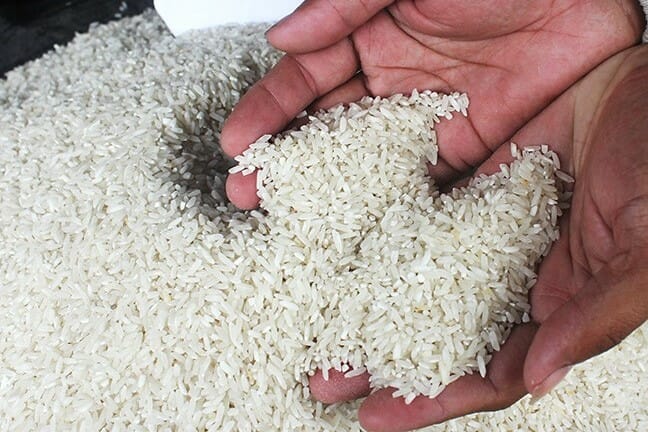
Based on 2024 figures cited in the report, Malaysia’s rice self-sufficiency ratio stood at just 52.9%, while beef and mutton recorded significantly lower ratios of approximately 16.8% and 8.5%, respectively.
Malaysia is better supplied in palm oil, chicken and eggs, although poultry production remains heavily dependent on imported feed. MBSB noted that Malaysia imports more than 90% of the grain corn and soybean meal used in poultry feed.
The report also highlighted Malaysia’s widening food import bill, with food and beverage imports exceeding RM100 billion in 2025.
Meanwhile, the trade deficit for food and live animals widened to RM32.1 billion in 2025 from RM17 billion in 2014, underscoring the country’s increasing exposure to international food prices and supply disruptions.
Budget 2027 Expected To Focus On Food Resilience
MBSB expects food security to remain a key focus of Budget 2027, with potential measures to strengthen domestic production, improve agricultural productivity and upgrade storage and cold-chain infrastructure.
The research house said climate-resilient farming, mechanisation, irrigation improvements and diversified import sources would be important in limiting exposure to future supply shocks.
It also cautioned that higher food prices could place additional pressure on household spending, particularly among lower-income groups, as food accounts for nearly one-third of Malaysians’ consumption basket.
From an investment perspective, MBSB favours companies with strong domestic production capacity, integrated operations, diversified procurement networks and healthy balance sheets, which it believes are better positioned to withstand prolonged disruptions to food supply chains.


