


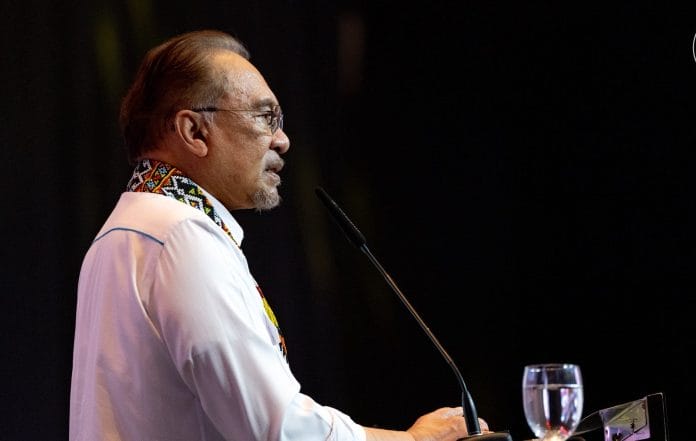
Prime Minister and Finance Minister Datuk Seri Anwar Ibrahim is set to table Budget 2027 at 3.30pm today, with attention centred on whether the government will deliver a larger spending package to cushion households from rising living costs while maintaining its fiscal consolidation agenda.
The fifth MADANI Budget comes as the government seeks to sustain economic momentum, improve living standards and strengthen resilience against a more uncertain external environment.
- One of the biggest questions will be the overall size of the Budget. Expectations are building that expenditure could reach a fresh record, potentially exceeding RM470 billion when the broader spending envelope is taken into account, compared with federal expenditure of RM419 billion under Budget 2026. Market forecasts vary, with RHB Investment Bank earlier estimating a 2027 federal allocation of RM437.8 billion.
2. For households, the Budget is expected to retain a strong cost-of-living focus. Higher cash assistance, including greater support for lower-income and working-class households, is likely to feature prominently as the government seeks to offset pressure from food, housing, transport and other essential expenses.
3. Further refinement of fuel subsidies could also be on the table as Putrajaya continues shifting from broad-based subsidies towards more targeted assistance. Any savings from subsidy rationalisation could create additional room for direct support to households.
4. Education and healthcare are expected to remain among the largest recipients of federal expenditure, while defence spending could also receive a higher allocation amid increased emphasis on national security and military modernisation.
5. On revenue, businesses and consumers will be watching whether the government further expands the scope of the Sales and Service Tax (SST) to broaden the tax base. 6. At the same time, higher excise duties on tobacco, alcohol and other so-called “sin” products are among the possible revenue measures.
7. Major changes to headline personal and corporate income tax rates are not expected, suggesting the government may instead rely on improved tax compliance, a broader consumption tax base and targeted revenue measures.
8. The labour market could deliver one of the Budget’s most closely watched announcements, with a higher minimum wage anticipated. How the government addresses the burden on micro, small and medium enterprises will be equally important, particularly after calls for wage support and productivity-linked assistance.
9. SMEs themselves are expected to receive substantial attention through grants, financing programmes and incentives, while students and younger Malaysians could see additional education, training and study-related assistance.
10. Infrastructure spending is another area to watch, with allocations potentially increased for public works, transport and particularly flood mitigation projects, which have become an increasingly important component of development expenditure.
This may be the last budget by the Prime Minister before his term ends, and many are expecting a feel good Budget 2027. Looking at Anwar’s statements in the past couple of weeks, the hints dropped alludes to a budget that aims to tackle cost of living issues and at the same time boost economy. It will be a tough balancing act, but Anwar is no stranger in walking tight ropes,


