


In the competitive world of entrepreneurship, Malaysian startups face a high failure rate, with around 60% of new businesses struggling to survive beyond their third year.
Recently, Casper Foo, founder of Sandbox Space, a leading co-working space provider, spoke with BusinessToday about the company’s efforts to tackle these challenges by offering flexible office solutions and fostering a collaborative environment aimed at helping startups grow and succeed.
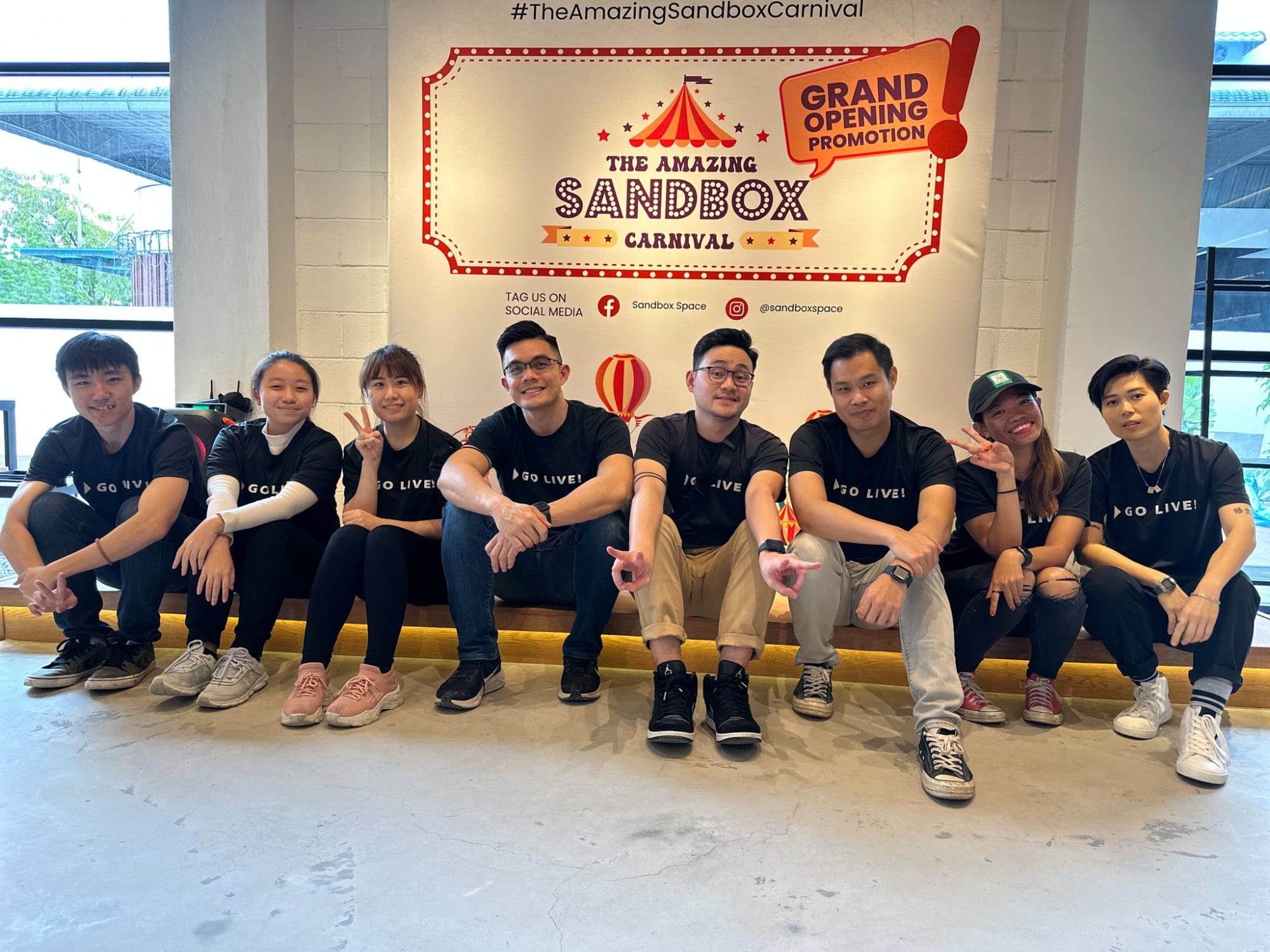
Foo identified several key reasons for the high failure rate among startups in Malaysia, including over-optimism and financial mismanagement.
Many entrepreneurs begin with high expectations, often underestimating the competition and overestimating market demand.
This leads to unrealistic business goals and financial strain.
Poor financial management, including misallocated funds or lack of financial planning, only compounds the problem.
Another common challenge is the inadequacy of co-founding teams. Foo stressed that a cohesive founding team with complementary skills is vital for executing business plans and navigating challenges. Internal conflicts and misalignment within teams can cripple a startup’s progress.
“Startups need a clear value proposition and strong team collaboration,” Foo emphasised. “Without these, it’s hard to gain traction in the market.”
A Post-COVID Challenge
Malaysian startups also struggle with limited resources and infrastructure.
While there was an influx of venture capital and government support in the past, the post-COVID landscape has seen more cautious investments.
This means only startups with solid business models are likely to secure funding.
Foo noted that during the startup boom, resources were more readily available, but as the initial excitement has faded, resource allocation has become more selective.
“New startups are facing stiffer competition for both financial and operational resources,” he explained.
Leveraging Technology: A Key to Success
In today’s digital age, the adoption of technology is critical for startups and SMEs.
Foo highlighted that technological tools such as cloud computing and e-commerce platforms can help small businesses expand their reach and streamline operations.
However, many entrepreneurs in Malaysia are unaware of these tools or lack the expertise to implement them effectively.
“Small businesses must stay updated on available technology and how to leverage it for growth. It’s no longer a luxury—it’s a necessity,” said Foo.
A Flexible Solution for Startups
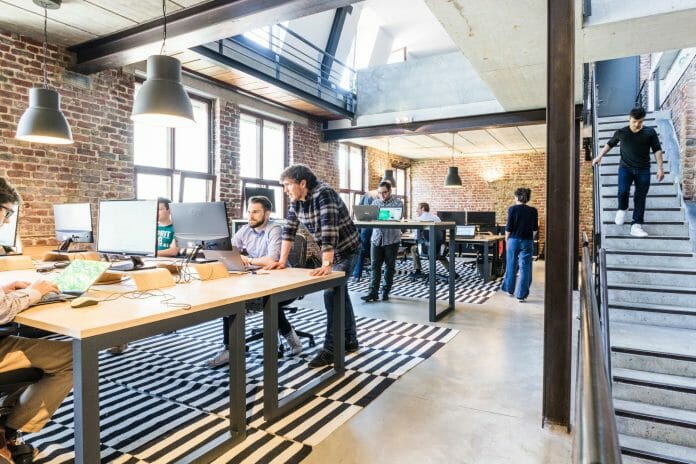
Sandbox Space offers a flexible alternative to the traditional office setup, which typically involves long-term lease commitments and high operational costs.
The co-working space provides a plug-and-play office environment where startups can rent fully equipped workspaces on a monthly basis, including essential infrastructure like high-speed internet, meeting rooms, and office maintenance.
“What sets Sandbox Space apart is our service agreement, which allows businesses to exit with just one month’s notice if they need to pivot or wind down operations. This flexibility is crucial for startups that may face unpredictable market conditions,” said Foo.
By removing the financial burden of long-term leases and offering a resource-rich environment, Sandbox Space allows startups to focus on growth rather than operational concerns.
An Answer to Financial and Labour Challenges
The space also fosters a collaborative community, providing access to a wealth of experience and knowledge from other entrepreneurs.
This network not only helps startups with financial management strategies but also eases the recruitment process by offering potential candidate referrals and hiring insights.
“By working in a shared space, startups can exchange ideas, gain advice from others who’ve been through similar challenges, and find solutions more quickly than they would in isolation,” Foo explained.
A Vision for 2024: Expanding the Entrepreneurial Ecosystem
Looking ahead, Foo said they plan to expand its footprint across Malaysia by opening new branches in townships, making it easier for entrepreneurs to find a nearby hub.
Foo envisioned these locations as community hubs where entrepreneurs can gather, share insights, and collaborate.
“We’re committed to supporting the startup ecosystem by creating spaces that encourage innovation and collaboration,” said Foo. “By hosting regular business talks and networking events, we aim to keep our members informed and inspired.”
As Malaysia’s startup landscape continues to evolve, Sandbox Space is positioned to play a pivotal role in fostering a supportive and resource-rich environment for entrepreneurs.
With flexible office solutions and a vibrant community, Foo is confident that Sandbox Space can help reduce the failure rate of startups and contribute to the growth of the country’s business ecosystem.

