


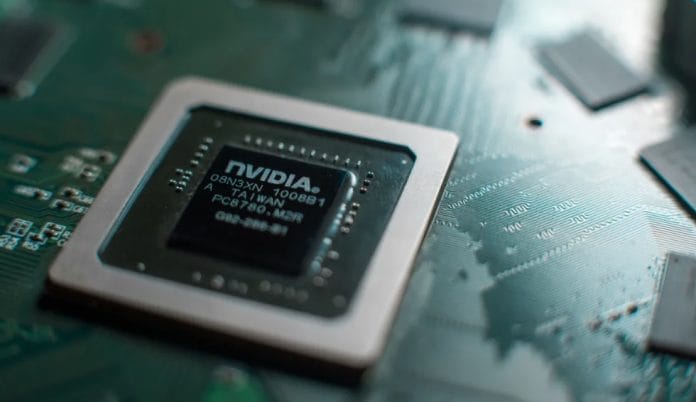
The Trump administration is drafting new export controls that would restrict shipments of advanced artificial intelligence (AI) chips from companies like Nvidia Corp to Malaysia and Thailand, in a renewed effort to curb alleged smuggling of semiconductors into China, according to sources familiar with the matter.
Bloomberg reported that the draft rule, still under review by the Commerce Department, is aimed at closing loopholes that US officials believe may be allowing restricted chips to reach China via intermediaries in Southeast Asia. The move builds on earlier Biden-era restrictions but reflects a broader push by the Trump administration to tighten control over the flow of critical technology.
Under the proposed measure, US chipmakers would face new licensing requirements to export AI processors to the two countries.
However, the rule is expected to include temporary exemptions and carveouts for companies based in the US and allied nations, as well as safeguards to avoid disrupting semiconductor supply chains, particularly in chip packaging and assembly, where Southeast Asia plays a vital role.
The crackdown comes amid a sharp increase in AI chip shipments to Malaysia and growing US concerns over data centre projects in the region, including those backed by Oracle Corp. Prosecutors in neighbouring Singapore have also charged individuals over alleged misrepresentation of chip destinations, with AI servers possibly rerouted from Singapore to Malaysia. Nvidia, while not implicated, is at the centre of these efforts given its dominance in the AI chip market.
Though US allies and tech firms have pushed back on some aspects of the previous AI diffusion rules, Washington appears determined to preserve and strengthen chip curbs targeting China. Commerce Secretary Howard Lutnick recently testified that AI chips could still be sold to allies but only if deployed via US-approved cloud and data centre operators.
Malaysia and Thailand have not publicly responded to the draft rule. Nvidia declined to comment.
If implemented, the regulation would mark the Trump administration’s first formal step in reshaping US AI export policy, one that could have wide-ranging implications for Southeast Asia’s growing role in the global semiconductor ecosystem.


