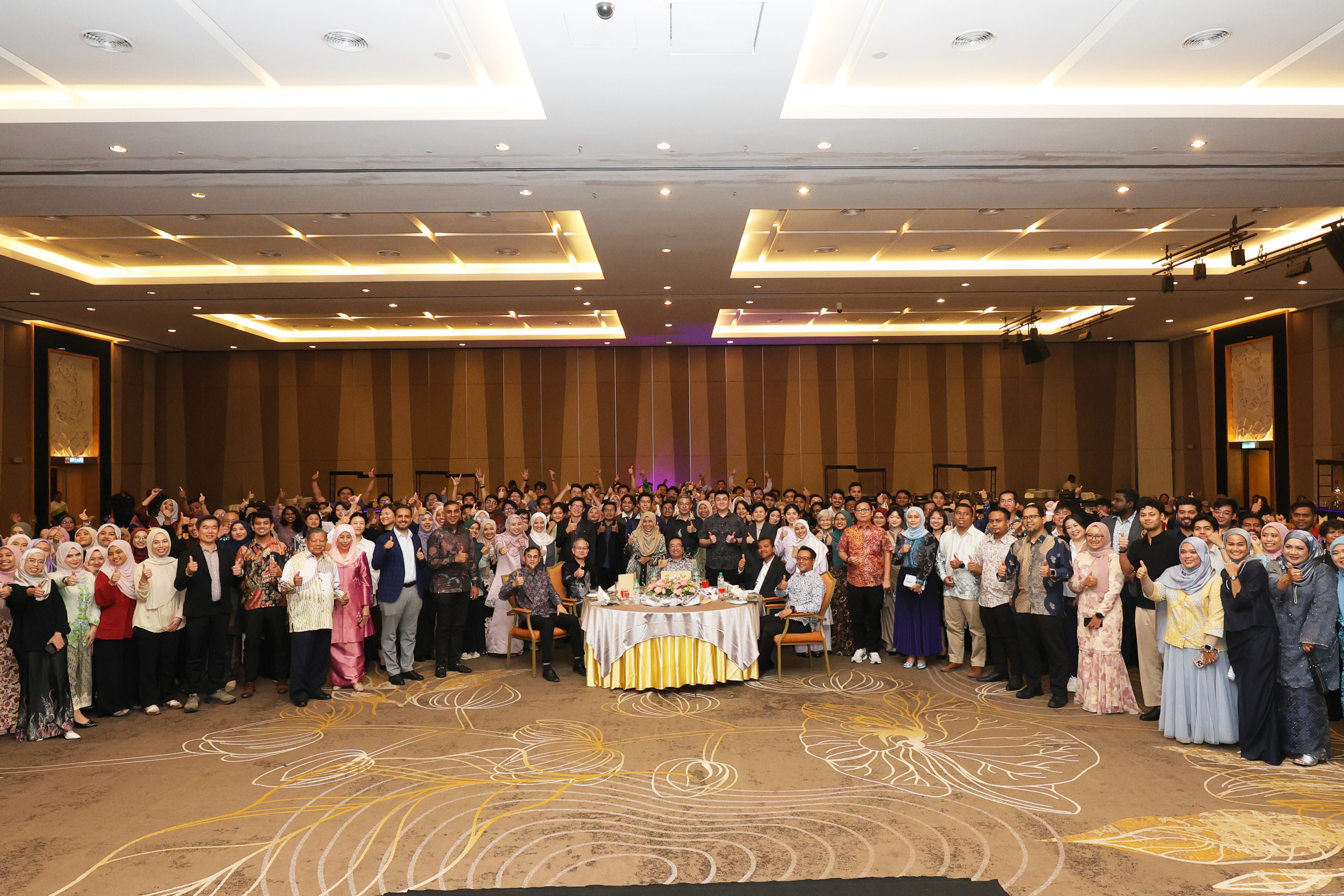
Malaysia’s push to strengthen its biotechnology and bio-based economy is paying off, with a flagship talent programme surpassing expectations. The BioAgrotech & BioPharmaceutical Employability and Entrepreneurship Specialised Talents Programme 2.0 (BeST 2.0) has produced 561 graduates since its launch, surpassing its original target of 400 set under the 12th Malaysia Plan (RMK-12).
Among those who completed the BeST 2.0 programme, 91% (512 graduates) have secured employment across 92 biotechnology and bio-based companies. More than 200 companies have registered as host employers, offering over 1,900 job opportunities.
Since its launch in 2021, BeST 2.0 has proven to be an effective platform for producing skilled professionals in Science, Technology and Innovation (STI) that meet the industry demands.
Science, Technology and Innovation Minister Chang Lih Kang said BeST 2.0 had proven its value in building Malaysia’s workforce.
“BeST 2.0 demonstrates that we can produce an STI workforce that not only meets industry requirements but also drives the growth of biotechnology and the bioeconomy. Since the first BeST 1.0 programme in 2007, over 3,000 graduates have undergone this training, making it a vital contributor in shaping a new generation of skilled professionals for the nation,” he said at the programme’s appreciation ceremony in Putrajaya on August 22.
The minister noted that the initiative builds on wider national efforts to develop science and technology talent.
“From Malaysia Techlympics, which sparks science interest at school level, to STI 100³ that brings students closer to technology, and now BeST 2.0 which connects graduates to industry careers — we are building a clear ecosystem that takes talent from curiosity, to knowledge, and finally to careers,” he said.
BeST 2.0 is not only feeding the industry with talent but also encouraging graduates to strike out on their own. So far, 19 have opted to become entrepreneurs through the Bioentrepreneurship Graduate Accelerator (BioeGAP), developing ventures such as contract farming with backing from industry players.
For this year, the programme is targeting 80 new industry placements. According to Bioeconomy Corporation chairman Dato’ Dr Lee Boon Chye, the target is already on track.
“As of now, 91 graduates have joined the programme with 37 host companies, including nine who have embarked on entrepreneurship to build start-ups supported by buy-back agreements with host companies,” he said.
Dr Lee stressed the importance of adapting BeST 2.0 to match the pace of technological change. Plans are underway to expand training into areas such as artificial intelligence, augmented and virtual reality, and green energy technologies. A graduate and industry trends database is also under development to help refine modules in line with market needs.
He also outlined plans to strengthen the Biokerjaya portal, launched by MOSTI in 2023, as a primary job-matching platform. Deeper collaborations with industry players, universities, and Technical and Vocational Education and Training (TVET) institutions are underway, alongside the expansion of micro-credential programmes to meet the latest industry requirements.